
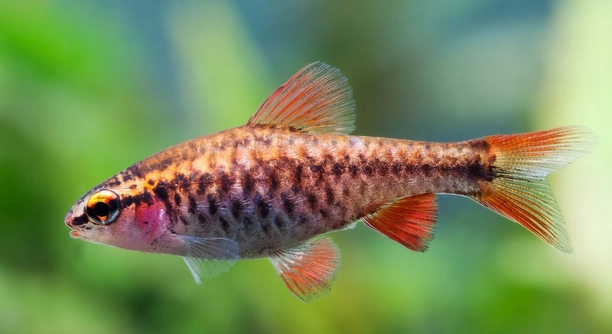
Do your cherry barbs scatter in panic every time you clean their tank, leaving you feeling uneasy about the whole process?
The best way to keep cherry barbs calm during cleaning is to minimize stress by maintaining familiar conditions, using gentle movements, and avoiding sudden changes in water parameters. Stability is essential for their comfort and behavior.
Small adjustments in your cleaning approach can make a big difference in how your cherry barbs react and feel.
Keep Noise and Movement Low
Cherry barbs can become anxious with too much activity around their tank. Loud sounds, fast hand motions, or frequent footsteps near their aquarium can stress them out, especially during a cleaning session. It’s best to keep the room calm and quiet. Speak softly if needed, and try to move slowly and deliberately. Avoid quick hand gestures near the glass. This helps the fish feel more secure and less threatened. When removing items from the tank, do so with care to avoid sudden splashes. Try not to bump the tank or stir the gravel too much all at once. If possible, do the cleaning at a time of day when there are fewer people moving through the space. A peaceful setting goes a long way in keeping your cherry barbs steady and calm throughout the process. Their behavior becomes easier to manage when the space around them remains undisturbed.
Loud noises and quick movements can raise their stress levels. A relaxed environment keeps your cherry barbs from reacting nervously to the cleaning process.
Creating a calm space is simple but effective. Turn off nearby TVs or music, clean gently, and ask others to avoid the room for a while. Your cherry barbs will thank you with calmer swimming and better health.
Remove Fish Only If Necessary
In most cases, it’s best not to move cherry barbs during routine cleanings. Relocating them to a temporary container causes more stress than it avoids.
Removing your cherry barbs from the tank should only be done if absolutely necessary—like in deep cleanings or when treating for illness. Otherwise, leave them where they are. Scooping them up with a net and placing them in a holding container interrupts their environment and can raise their anxiety. It also exposes them to temperature fluctuations and different water parameters, which can further upset their balance. Instead of removing them, work around them as you clean. Use tools like a gravel vacuum and algae scraper while keeping your motions slow and predictable. If you need to shift decorations or plants, try to do so without stirring up too much debris. With practice, you’ll find it easy to do a light cleaning without disturbing their space too much. This reduces stress and keeps them comfortable throughout.
Use the Right Tools
Using the right tools helps avoid accidents that might scare your cherry barbs. Choose gentle, quiet equipment that won’t cause sudden vibrations or noise in the tank.
A siphon with a hand-pump is better than loud electric vacuums. It lets you control the flow and keeps gravel movement gentle. Magnetic algae scrapers are helpful for cleaning the glass without placing your hands inside the tank too much. Avoid using your hands unless absolutely needed. Tools with soft edges are ideal to prevent sharp objects from causing harm or distress. Clean equipment with warm water before use to remove any leftover chemicals. If you need to adjust plants or decorations, use long tweezers or aquascaping tools for a more controlled touch. Being gentle with your tools reduces disruption and keeps your fish feeling secure. Over time, your cherry barbs will become less reactive as they get used to this quiet, careful method.
Using proper tools creates a safer experience for your cherry barbs and reduces the risk of injury or shock. Avoid banging items against the glass or stirring the substrate too harshly. Familiar tools and routines help your fish remain calm and allow you to clean more efficiently without rushing or second-guessing your movements.
Keep Tank Conditions Stable
Sudden changes in water temperature or chemistry can make cherry barbs panic. During cleaning, it’s important to keep the water as stable as possible. Use a thermometer and test kit before and after cleaning.
When doing a partial water change, make sure the new water matches the temperature and pH of the tank. Sudden shifts in parameters can stress your cherry barbs and even lead to health issues like fin rot or weakened immune systems. Prepare replacement water in advance and let it sit for a few hours if needed. Use water conditioners to remove chlorine or other harmful substances. Avoid over-cleaning the filter or substrate, since doing so can remove beneficial bacteria. Stick to a schedule—frequent, small cleanings are better than large, infrequent ones. Stable water conditions help your fish feel secure, even when the tank is being cleaned. Calm, familiar water encourages normal behavior and better recovery after cleaning.
Keep Feeding Times Consistent
Feeding your cherry barbs at the usual time helps reduce stress. Even during cleaning days, try not to delay or skip their regular meal. Routine provides comfort and stability.
Feed them after cleaning rather than before. This keeps the tank cleaner and helps them associate the cleaning process with something positive like food.
Avoid Over-Cleaning
Over-cleaning can remove helpful bacteria that your tank needs to stay balanced. Cherry barbs thrive in tanks with stable bacteria colonies that help break down waste. Too much cleaning can upset this balance.
Only clean part of the substrate each time and avoid rinsing all the filter media at once. A good habit is to clean different areas of the tank on a rotating schedule. This method allows good bacteria to continue supporting water quality. Don’t scrub all decorations or remove all algae in one session. Some natural growth in the tank is normal and not harmful. Cherry barbs are more relaxed in environments that stay mostly familiar to them. Overdoing it might make them feel like their space has changed too much. Slow, gradual changes are better for their mental and physical health.
Handle Decorations Gently
Move plants, rocks, and hiding spots with care. Sudden rearranging or loud splashes can frighten cherry barbs and cause them to hide or dart around the tank in fear.
FAQ
How often should I clean my cherry barbs’ tank?
Cleaning should be done once a week for small tanks and every two weeks for larger setups. Stick to partial water changes—around 25–30% each time. You don’t need to deep clean unless there’s a specific issue like illness or buildup of waste. Regular light cleanings help keep the water stable, which cherry barbs prefer. Over-cleaning can disrupt their environment and cause stress. If your tank has live plants and a good filter, cleaning needs may be less frequent. Always monitor water conditions to decide if cleaning is needed sooner.
Can I leave my cherry barbs in the tank during cleaning?
Yes, you should leave them in the tank unless absolutely necessary. Taking them out is stressful and can harm their health. Cherry barbs usually do well if you clean gently and keep disturbances low. Use tools that let you work around them instead of moving them. If you must remove them—like for deep cleanings or disease treatment—be sure to use a soft net and place them in water with the same temperature and parameters.
Why do my cherry barbs hide after cleaning?
Hiding after cleaning is a normal stress response. Cherry barbs are sensitive to changes, even small ones. If you’ve stirred the gravel, moved decorations, or changed water parameters slightly, they might feel unsafe. Give them time to adjust—usually a few hours. Avoid extra stress like tapping on the glass or turning on bright lights right after cleaning. Make sure their hiding spots are still there and the water is stable. They should return to normal behavior once they feel things are back to normal.
Is it okay to clean the filter on cleaning day?
You can clean the filter, but not every time. Cleaning it too often removes beneficial bacteria that help keep the water safe. Try to clean the filter media once a month using old tank water—not tap water—to avoid killing off the bacteria. If the filter is visibly clogged, gently rinse the sponge or cartridge in a bucket of tank water. Don’t scrub it completely clean. Only clean the filter casing if needed. Keep filter maintenance on a different schedule than substrate or decor cleaning if possible.
What water temperature is best during cleaning?
Match the new water to the tank’s existing temperature—usually between 74°F and 78°F (23°C to 26°C) for cherry barbs. A digital thermometer helps you get this right. Sudden temperature drops or increases can shock the fish and make them stressed or sick. If your tap water is too cold or hot, let it sit out for a few hours, or use a heater or mixing method to adjust it. Always check before adding new water, especially during colder months.
Do cherry barbs get used to cleaning over time?
Yes, if you keep your cleaning routine calm and predictable, they can adjust. Cherry barbs may still react a little each time, but they’ll begin to understand that cleaning isn’t dangerous. Using the same tools, cleaning at the same time of day, and moving slowly all help reduce their stress. Avoid making big changes all at once. Once they trust the process, they may even ignore you during cleaning or swim around more normally while you work.
How can I tell if cleaning stressed them out too much?
Watch for signs like gasping at the surface, color fading, clamped fins, or hiding for long periods. These can signal that something during cleaning was too much. Check your water temperature, pH, and ammonia levels right away. If you changed too much water or cleaned too deeply, try to fix the balance gradually. Avoid feeding for a few hours and give them space to recover. Most of the time, they bounce back in a day or two if the tank is stable again.
Can I add stress coat or water conditioner during cleaning?
Yes, using a water conditioner is always a good idea. It removes chlorine, chloramine, and heavy metals from tap water that can harm your cherry barbs. Some conditioners also include stress coat additives that help soothe their slime coat. These can be useful during times of change, like water changes or illness. Just be sure to use the right amount for your tank size. It’s a simple step that can make a big difference in how your fish handle the cleaning process.
Final Thoughts
Keeping cherry barbs calm during cleaning is not hard once you build a routine that works for both you and the fish. The most important thing is to be gentle and consistent. Avoid making big changes all at once and try not to move too quickly. Cherry barbs like stable water, quiet surroundings, and soft movements. Over time, they will become more comfortable with the cleaning process. You’ll start to notice less darting, fewer signs of stress, and maybe even a little curiosity from them as they learn to trust what you’re doing. It just takes some patience and regular care.
A lot of stress for cherry barbs comes from changes in their environment. That’s why it’s important to clean without removing too much at once. Leave some decorations in place, don’t change too much water in one go, and always check the water temperature before adding anything new. Keeping the tank calm and familiar gives your fish a better chance at staying healthy and stress-free. Even if they react a little during cleaning, the effects won’t last long if everything else stays steady. Also, using the same tools each time helps make the routine feel more familiar to them, which lowers their anxiety over time.
Small steps can make a big difference. Feeding at regular times, using water conditioners, and having the right tools are all simple ways to make cleaning easier for you and more comfortable for your cherry barbs. You don’t have to clean perfectly every time—just focus on being steady and respectful of their space. Cherry barbs are peaceful fish, and they respond well when their environment is kept calm and balanced. With practice, you’ll find a method that works well for you. The more comfortable your fish feel during cleaning, the healthier and more active they will be the rest of the time.

Hello,
If you enjoy the content that we create, please consider saying a "Thank You!" by leaving a tip.
Every little bit helps us continue crafting quality advice that supports the health, happiness, and well-being of pets around the world, for pets of all shapes, sizes, and species.
We really appreciate the kindness and support that you show us!