
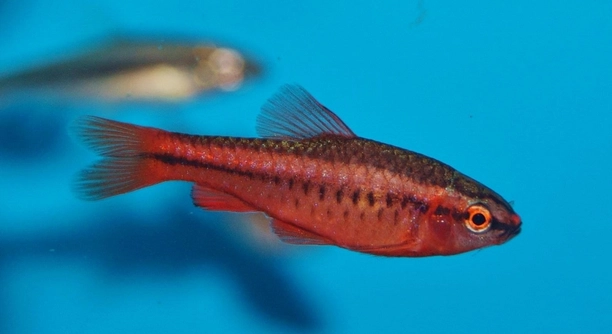
Cherry Barbs are a popular fish in the aquarium world, admired for their vibrant colors and peaceful nature. As fish owners, we often find ourselves wondering if these little creatures need a heater to thrive year-round.
Cherry Barbs are tropical fish, and they require a heater to maintain the proper water temperature. A consistent temperature between 74°F and 80°F (23°C to 27°C) is essential for their health and well-being.
Understanding the needs of Cherry Barbs in terms of water temperature is key to keeping them happy and healthy. Proper temperature control plays a significant role in their overall care.
Why Do Cherry Barbs Need a Heater?
Cherry Barbs come from tropical regions, where temperatures are consistently warm. In your aquarium, it’s important to replicate these conditions for them to thrive. Without a heater, the water can become too cold, causing Cherry Barbs to become stressed, inactive, and susceptible to diseases. This can also interfere with their natural behavior, such as their active swimming and feeding habits.
A heater maintains the right water temperature, ensuring your Cherry Barbs remain healthy and vibrant. While they can tolerate slight temperature fluctuations, prolonged cold temperatures can weaken their immune system and lead to complications.
For the best results, invest in a reliable aquarium heater. Keeping the water at a steady temperature between 74°F and 80°F (23°C to 27°C) is key to replicating their natural environment. A stable temperature also encourages breeding behavior, improves their color, and promotes overall well-being. When you provide them with the right conditions, Cherry Barbs are sure to flourish in your aquarium.
How to Set Up the Right Temperature
Maintaining a consistent water temperature is crucial for Cherry Barbs. You need to carefully monitor it.
Use a good-quality heater that fits your tank size and check the temperature regularly. Make sure your heater has an adjustable thermostat so you can set the temperature according to your needs.
The Risks of Low Temperature
When the water gets too cold, Cherry Barbs may stop eating or become lethargic. They rely on warmth to maintain their active, playful behavior. Cold temperatures stress their bodies, weakening their immune systems and making them more prone to infections or other health issues.
If the water temperature is too low for an extended period, Cherry Barbs may suffer from reduced growth, decreased fertility, or even death. Cold stress can also affect their coloration, causing them to lose the bright, vivid hues that make them so appealing. Additionally, the lower metabolism caused by cold water can affect digestion and energy levels. Keeping the water warm helps avoid these problems and supports their overall health.
A heater ensures the water stays within the safe temperature range for Cherry Barbs. Without one, fluctuations in temperature may cause rapid stress, leading to illness and a shorter lifespan. It’s vital to invest in a quality heater to prevent unnecessary risks to your fish’s health.
Heater Maintenance
Regular maintenance is essential to keep your heater working efficiently.
Inspect your heater for any signs of wear or damage, and clean it regularly to prevent buildup. Ensure it’s properly calibrated to maintain a steady temperature. Checking your heater’s functionality helps avoid temperature fluctuations that could harm your Cherry Barbs. If you notice any issues, replace it promptly.
The Best Heater for Cherry Barbs
For Cherry Barbs, it’s important to choose a heater that provides consistent warmth. A submersible heater works well as it evenly distributes heat throughout the tank. Always match the heater to the size of your aquarium to avoid overheating or insufficient warmth.
Investing in a quality adjustable heater is a wise choice. It allows you to fine-tune the temperature to meet the needs of your Cherry Barbs. Many heaters come with built-in thermostats, which can help maintain stable conditions. A heater that is easy to calibrate helps keep the water at the right temperature range.
Temperature Monitoring
Regularly check the water temperature to ensure it stays within the desired range.
Use an aquarium thermometer to track fluctuations. This helps you spot any temperature changes early on, preventing potential stress for your fish. Monitoring temperature regularly ensures your heater is doing its job effectively.
FAQ
Do Cherry Barbs need a heater if the room temperature is warm?
While room temperature may be warm enough for some tropical fish, Cherry Barbs require a consistent water temperature of around 74°F to 80°F (23°C to 27°C). Room temperature can fluctuate, which may cause stress to your fish. A heater ensures a steady, reliable temperature, providing better care for your Cherry Barbs.
Can Cherry Barbs survive without a heater during winter?
Cherry Barbs can struggle without a heater in winter. If the temperature drops below their optimal range, they become stressed, which can lead to weakened immune systems and health issues. A heater keeps the water warm even during cold months, ensuring your fish remain healthy.
What happens if the water temperature gets too high for Cherry Barbs?
If the water temperature rises above 80°F (27°C), it can stress your Cherry Barbs, leading to reduced oxygen levels, slower metabolism, and an increased risk of diseases. Prolonged exposure to high temperatures can also reduce their lifespan and affect breeding behavior.
Can Cherry Barbs tolerate temperature fluctuations?
Cherry Barbs prefer stable water temperatures. While they can tolerate minor fluctuations, large temperature changes can cause stress, reduce their activity, and make them more susceptible to illnesses. It’s essential to maintain a consistent temperature for their health and well-being.
How can I maintain the temperature of my aquarium?
To maintain the right temperature, use a reliable heater with an adjustable thermostat. Also, monitor the water temperature regularly with an aquarium thermometer. Ensure your tank is placed in a room with minimal temperature fluctuations, and avoid placing it near windows or air vents.
How do I know if the water temperature is too low for Cherry Barbs?
Signs that the water temperature is too low include sluggish behavior, loss of appetite, and less vibrant colors. Cherry Barbs may also spend more time near the surface of the water if the temperature is cold. If these symptoms appear, check the water temperature with a thermometer and adjust it as needed.
Is there a specific time of year when I need to be more cautious about water temperature?
Yes, colder months like fall and winter require more attention to temperature control. During these times, room temperature tends to drop, and your aquarium heater will be working harder to maintain the right temperature. Regularly check the temperature to ensure it stays within the optimal range.
Can I use a heater with a built-in thermometer?
A heater with a built-in thermometer can be convenient, but it’s still essential to double-check the water temperature with an external thermometer. Built-in thermometers are sometimes inaccurate, and having a second thermometer ensures the water stays at the proper temperature for your Cherry Barbs.
What size heater is ideal for a Cherry Barb tank?
For a Cherry Barb tank, choose a heater that matches the size of your aquarium. A general rule of thumb is to use 5 watts of heating power per gallon of water. For example, a 20-gallon tank will need a 100-watt heater. Always check the heater’s specifications to ensure it fits your tank size.
Should I turn off the heater at night?
It’s not recommended to turn off the heater at night. Temperature fluctuations, especially at night, can stress Cherry Barbs. A steady temperature throughout the day and night helps keep them healthy. A reliable heater with a thermostat will automatically maintain the right temperature without needing to be manually adjusted.
Can I use a heater in a tank with other fish species?
Yes, you can use a heater in a tank with other fish species, as long as they also prefer similar water temperatures. Cherry Barbs are peaceful, and their temperature range is compatible with many other tropical fish. Just make sure that the heater’s wattage is appropriate for the overall size of your tank.
What is the best placement for the heater in the tank?
Place the heater near the filter intake or in an area with good water circulation to ensure the heat is evenly distributed. Avoid placing it near decorations or substrate that could block the flow of water. Proper placement helps maintain consistent warmth throughout the tank.
Can I use a heater with a glass tank?
Yes, you can use a heater in a glass tank. Glass tanks are safe for heaters, as long as you follow the manufacturer’s instructions. Be sure to choose a heater that is designed for glass aquariums and ensure it is fully submersible if required.
How do I prevent heater malfunctions in my aquarium?
To prevent heater malfunctions, regularly check the heater for any signs of wear, and ensure it’s functioning properly. Clean it periodically to remove any debris or mineral buildup that could affect its performance. If the heater becomes damaged, replace it promptly to prevent overheating or cooling issues.
Can I use a heater in a tank with live plants?
Yes, you can use a heater in a tank with live plants. Just make sure the temperature is suitable for both the plants and the fish. Some plants may prefer cooler temperatures, but most tropical plants thrive in the same range as Cherry Barbs. Be cautious of overheating, as excessive heat can harm sensitive plants.
How long should the heater run each day?
A good quality heater will run as needed to maintain the water temperature within the desired range. It will automatically turn on and off to keep the temperature steady, so you don’t have to worry about manually controlling it. However, if you notice temperature fluctuations, check the heater and thermostat for proper function.
What should I do if the heater overheats?
If the heater overheats, immediately turn it off and check the water temperature with a thermometer. An overheating heater can cause significant stress to your fish. If you find the heater is malfunctioning, replace it with a new one. To prevent overheating, always use a heater with an adjustable thermostat.
Final Thoughts
Providing a stable and warm environment is essential for the health and well-being of your Cherry Barbs. These tropical fish thrive in water temperatures between 74°F and 80°F (23°C to 27°C), which is why having a reliable heater is so important. Without one, the water can become too cold, leading to stress, inactivity, and even health problems for your fish. A heater not only maintains the right temperature but also ensures that any fluctuations are minimized, providing your Cherry Barbs with a consistent environment that promotes their natural behavior.
It’s important to choose a heater that fits the size of your aquarium. A heater that is too small may not provide enough warmth, while one that is too large can cause the water to overheat. Monitoring the temperature regularly with a thermometer is another key part of care. By doing so, you can catch any issues early and prevent any potential harm to your fish. Even if you have an aquarium with a built-in heater, it’s wise to double-check the temperature with an external thermometer to be sure it’s accurate.
Taking the time to maintain the right temperature in your tank goes beyond just keeping your fish comfortable. It helps them thrive and show their brightest colors, boosts their immune system, and encourages healthy breeding behavior. By investing in a quality heater, monitoring the temperature, and maintaining a consistent environment, you’re ensuring that your Cherry Barbs will live a long, healthy life in your aquarium.

Hello,
If you enjoy the content that we create, please consider saying a "Thank You!" by leaving a tip.
Every little bit helps us continue crafting quality advice that supports the health, happiness, and well-being of pets around the world, for pets of all shapes, sizes, and species.
We really appreciate the kindness and support that you show us!