
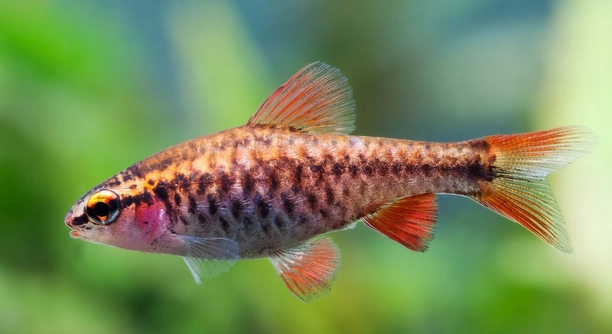
Cherry barbs are a popular fish among aquarium enthusiasts. Known for their vibrant colors, these small fish can bring life to any tank. However, if you’ve noticed them hovering still, you may wonder if this is normal behavior.
It is normal for cherry barbs to hover still at times. This behavior may occur when they are resting or feeling calm, especially in a well-established aquarium. It can also indicate they are observing their surroundings or looking for food.
Understanding why your cherry barbs hover still can help ensure their health and happiness in your tank. There are several factors that can influence their behavior.
Why Cherry Barbs Hover Still
Cherry barbs can hover still for several reasons, and it’s usually a sign of them being relaxed. In the wild, they tend to stay close to plants and other hiding spots for protection. When they feel secure in a well-maintained tank, they may choose to hover in place, especially if there’s a lot of space. This can happen when they are not actively swimming around or chasing food. Another reason for this behavior could be that the fish are resting. Fish don’t sleep in the same way humans do, but they do take breaks where they become motionless.
If you notice that your cherry barbs are staying still but appear otherwise healthy, there’s likely no cause for concern. In fact, they could be getting some rest or simply soaking in their surroundings.
Even though hovering still can be normal, it’s a good idea to observe their overall behavior for any changes. If they start showing signs of distress, like erratic swimming, fading colors, or loss of appetite, you may need to check water parameters.
Tank Conditions Affecting Behavior
The water conditions in your tank play a large role in how your cherry barbs behave. Poor water quality can cause stress, leading to strange behaviors, including hovering. Ensure that your tank has proper filtration and that the water is kept at the right temperature. Monitoring the pH and hardness of the water is also crucial to avoid issues.
If cherry barbs are exposed to fluctuating water conditions, they might hover more often to conserve energy or avoid stress. Consistent and clean water will help them feel comfortable and active.
Additionally, if your tank is overcrowded, your cherry barbs may hover as they try to find space away from other fish. They prefer swimming in groups but still need their personal space to thrive.
Possible Signs of Stress or Illness
While hovering still can be normal, it can also point to a problem if it’s combined with other signs like unusual swimming patterns, changes in color, or lack of appetite. Stress can make cherry barbs behave differently. If the water quality isn’t optimal or the tank conditions are poor, the fish may become lethargic or remain in one spot for extended periods. It’s crucial to watch for these signs to rule out illness.
If the hovering behavior is accompanied by symptoms like fading colors or heavy breathing, it’s time to act. Test the water for toxins such as ammonia or nitrites, as these can harm your fish. Also, look at their environment. Make sure they’re not being harassed by other fish, and that they have enough hiding places. Keeping your tank clean and stable is essential for their well-being.
Water Temperature and Its Effect on Cherry Barbs
Water temperature can significantly affect cherry barbs’ behavior. These fish thrive in temperatures between 74°F and 79°F (23°C to 26°C). If the water is too cold or too warm, they might become sluggish or hover more than usual.
Temperature fluctuations stress fish and lead to abnormal behavior like hovering. Cold water makes them less active, while overly warm water can make them breathe heavily and stay still, trying to conserve energy. Regularly monitor the temperature to ensure it remains stable within the optimal range for your cherry barbs.
Maintaining a steady temperature is key to a healthy aquarium. If your tank’s temperature fluctuates often, consider adding a reliable heater or cooling system. Temperature swings can weaken the fish’s immune system, making them more susceptible to diseases. So, keeping the environment stable will prevent unnecessary stress and help your fish stay active and healthy.
Tank Size and Swimming Space
The size of your tank also plays a role in how much your cherry barbs hover. If your tank is too small, they may feel cramped and remain in one place more often, unable to swim freely. A cramped environment often leads to stress and inactivity.
Cherry barbs prefer swimming in groups but still need enough space to feel comfortable. A larger tank with plenty of plants and hiding spots encourages natural swimming behavior. When they have more room, they are likely to swim more actively instead of staying still.
If you find your cherry barbs are hovering too much, consider upgrading to a larger tank. A spacious environment can improve their activity levels and overall health, reducing stress-related behaviors.
Lighting and Its Impact on Behavior
Lighting in the tank can also influence cherry barb behavior. These fish prefer moderate lighting, as too much brightness can cause stress, making them hover still or seek dark areas to hide.
Too much intense light can lead to anxiety, causing your cherry barbs to retreat or remain motionless. If the tank light is too strong, consider adding plants or decorations to provide shaded spots. This will help your fish feel secure and encourage natural movement.
The Role of Tankmates
Tankmates play a role in how active or still cherry barbs are. Aggressive or overly active fish can make cherry barbs feel threatened, leading them to hover or stay in one spot more often.
It’s best to keep cherry barbs with peaceful fish. Tankmates like tetras, rasboras, or small catfish are ideal. When they feel safe and aren’t harassed, cherry barbs will behave more naturally and swim freely throughout the tank.
Food and Feeding Habits
How often and what you feed your cherry barbs can also impact their behavior. These fish are omnivores and enjoy a varied diet of high-quality flake foods, pellets, and occasional live or frozen treats.
If food isn’t readily available or they’re not being fed enough, they may hover still and appear less active. Regular feeding can encourage more swimming and healthier behavior. Be sure to provide balanced nutrition to prevent any issues related to underfeeding.
FAQ
Why are my cherry barbs hovering still all the time?
If your cherry barbs are hovering still constantly, it could be due to a few factors. One common reason is stress. Stress from poor water conditions, overcrowding, or unsuitable tankmates can make them more inactive. It’s also possible they’re just resting, as fish do take breaks. Hovering could be a sign of discomfort if accompanied by other symptoms like faded colors or heavy breathing. Be sure to check your water quality, temperature, and the general environment for any signs of issues. If everything looks fine and they’re eating well, the behavior may just be part of their normal routine.
How can I tell if my cherry barbs are stressed?
Cherry barbs show signs of stress in a few ways. You might notice them hovering in one spot, swimming erratically, or hiding more than usual. They may also lose their color or appear pale. If they stop eating or breathe heavily, it’s likely they’re stressed. Check the tank’s water parameters and make sure the temperature is stable. Ensure there are no aggressive tankmates, as that can contribute to their anxiety. It’s important to provide them with a peaceful and well-maintained environment to prevent stress-related behavior.
Can I keep other fish with cherry barbs?
Yes, cherry barbs are peaceful and do well with other non-aggressive fish. They are often kept with species like tetras, rasboras, and small catfish. However, avoid keeping them with larger or more aggressive fish that might bully or stress them. Tankmates should be similar in size and temperament to ensure harmony in the tank. Providing plenty of space and hiding spots can also help reduce stress and promote a peaceful environment.
Do cherry barbs need a group to feel comfortable?
Yes, cherry barbs are social fish and thrive when kept in groups. In the wild, they tend to swim together in schools, which provides safety and comfort. A group of at least 5-6 cherry barbs will help them feel more secure, reduce stress, and encourage natural behaviors. They tend to be more active and show their full color when surrounded by other barbs. However, you can keep fewer, but they may become more timid and stressed.
How can I make my cherry barbs more active?
If your cherry barbs are not as active as you’d like, it could be due to environmental factors. Start by ensuring your tank is properly sized and the water conditions are ideal. Check the water temperature, pH, and hardness to ensure they match their needs. Keep the tank clean with proper filtration and avoid overcrowding. If necessary, add more plants or decorations to encourage movement and create hiding spots. You can also try varying their diet with live or frozen foods to stimulate them. If their inactivity continues, monitor them for signs of illness or stress.
What should I do if my cherry barbs are not eating?
If your cherry barbs aren’t eating, first check the water quality. Poor water conditions are a common reason why fish may stop eating. Ensure that the water is clean and has the right temperature. Also, check for any aggressive tankmates that might be intimidating them. Try offering a variety of foods, such as flakes, pellets, and live or frozen foods, to see if they have a preference. If the problem persists, it could indicate a health issue, and you may need to consult a vet or aquarium specialist.
Can water temperature affect cherry barbs’ hovering behavior?
Yes, water temperature plays a significant role in cherry barbs’ behavior. If the temperature is too cold or too hot, they may become lethargic or hover still more often. Cherry barbs prefer temperatures between 74°F and 79°F (23°C to 26°C). When the water temperature falls outside this range, they might reduce their activity levels. Ensure your aquarium has a consistent, stable temperature to avoid stress and help them stay active.
Do cherry barbs need a lot of swimming space?
While cherry barbs are small fish, they still need ample swimming space. A cramped tank can make them feel stressed, leading them to hover still or hide more often. Ideally, the tank should be at least 20 gallons if you plan to keep a group of cherry barbs. The more space they have, the more comfortable and active they will be. Make sure there are enough hiding spots and plants, but leave plenty of open water for them to swim around.
How often should I feed cherry barbs?
Cherry barbs should be fed 2-3 times a day in small amounts. Offering varied foods, such as flake foods, pellets, and occasional live or frozen treats, will ensure they get a balanced diet. Overfeeding can lead to water quality issues, so it’s important to only feed them what they can consume in a few minutes. If cherry barbs aren’t eating all their food, it could be a sign of stress, poor water conditions, or illness. Adjust the feeding schedule based on their behavior and needs.
What kind of plants do cherry barbs like?
Cherry barbs enjoy planted tanks as plants provide hiding spots and natural cover. They like plants that offer a variety of structures, such as floating plants, tall grasses, and leafy plants. Plants like Java fern, Anubias, and hornwort work well in their tank. Providing plants not only gives them security but also helps maintain water quality by absorbing excess nutrients and offering oxygen. Make sure the plants are safe for aquarium use and are not too dense, so your cherry barbs still have room to swim freely.
Final Thoughts
Cherry barbs are generally peaceful and adaptable fish that are easy to care for, making them a great addition to most community tanks. While it is normal for them to hover still occasionally, there are several factors to consider when this behavior becomes more frequent or noticeable. Ensuring that they have the proper environment, including the right water conditions, temperature, tank size, and suitable tankmates, can help reduce stress and encourage natural behaviors like swimming. By paying attention to their needs and keeping the tank clean, you can ensure that your cherry barbs stay healthy and active.
If you notice that your cherry barbs are hovering too much or seem lethargic, it’s a good idea to check the overall health of your aquarium. Water quality is one of the most important aspects to monitor. Regular water changes and proper filtration are essential in keeping harmful toxins like ammonia and nitrites at safe levels. In addition to water quality, the tank temperature should be kept within the optimal range of 74°F to 79°F (23°C to 26°C). A stable environment free from drastic changes in temperature or water conditions will help your cherry barbs feel safe and reduce stress-related behaviors, including excessive hovering.
Finally, remember that every fish is different. Some cherry barbs may naturally prefer to hover for longer periods while others are more active. As long as they are eating well and don’t show signs of illness, occasional stillness isn’t usually a concern. However, if they are not eating, breathing heavily, or displaying any other unusual behaviors, it’s important to address any potential issues right away. By maintaining a balanced environment and providing a variety of foods and tankmates, your cherry barbs should thrive and display their colorful beauty in a happy and healthy tank.

Hello,
If you enjoy the content that we create, please consider saying a "Thank You!" by leaving a tip.
Every little bit helps us continue crafting quality advice that supports the health, happiness, and well-being of pets around the world, for pets of all shapes, sizes, and species.
We really appreciate the kindness and support that you show us!