
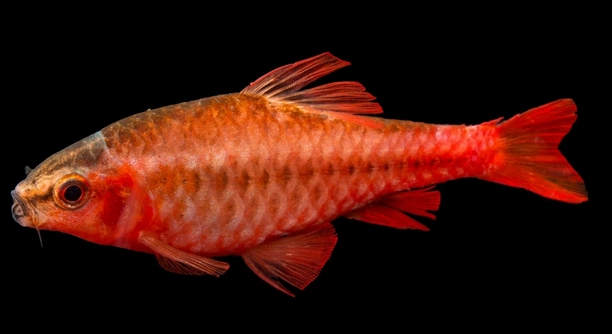
Cherry barbs are a popular fish species known for their peaceful nature and vibrant colors. However, a common concern among aquarium owners is whether these fish can jump out of their tanks, potentially causing harm.
Cherry barbs are not known to be strong jumpers, but they can occasionally leap from their tanks if startled or if the water level is too high. Keeping the tank covered and monitoring water conditions will reduce the risk.
Ensuring a safe environment for your cherry barbs can prevent unexpected accidents and contribute to their well-being.
Why Cherry Barbs Might Jump
Cherry barbs are generally peaceful fish that don’t have a strong instinct to jump, but that doesn’t mean it never happens. Jumping out of the tank can occur if the water quality is poor or if the fish feel stressed. Keeping the water clean and balanced helps reduce the chances of this behavior. In fact, fish will sometimes try to escape tanks if they feel their environment is unsafe or uncomfortable. In addition, a tank that is too small or overcrowded may cause stress, leading to erratic behavior, including jumping.
A tank with a proper lid can help avoid the problem altogether. With the right setup, cherry barbs are less likely to try and leap out. It is also important to regularly check for any external stressors, such as loud noises or aggressive tankmates, which may startle the fish and encourage jumping.
Cherry barbs are not naturally inclined to jump, but their behavior can be influenced by environmental factors. Regular tank maintenance, along with an appropriate tank size and lid, can go a long way in ensuring they remain safe.
Tank Setup Considerations
Keeping a lid on your tank is a simple and effective way to avoid cherry barbs jumping.
Choosing a tank that suits your cherry barbs’ needs is essential for their comfort. A tank with ample space gives them room to swim and thrive. Overcrowding can lead to aggression, which in turn may result in stress that triggers jumping. Cherry barbs thrive in calm environments where they have room to explore and hide if necessary. Adding plants or decorations can help make them feel more secure, reducing the chance they’ll try to escape. A tank with a tight-fitting lid will prevent them from leaping out, ensuring they stay safe in their habitat.
Water Quality and Temperature
Water quality plays a significant role in the behavior of cherry barbs. Poor water conditions, such as high levels of ammonia or nitrites, can cause stress, making them more likely to jump. Ensuring regular water changes and proper filtration can help maintain clean and stable water.
The temperature of the water is also important. Cherry barbs prefer slightly warmer water, typically between 75°F and 80°F. If the water becomes too hot or too cold, it can lead to stress, which may cause them to jump. Keeping the water temperature consistent and within the recommended range helps keep them calm and healthy.
Maintaining proper water conditions and temperature ensures a stable environment. A clean tank and correct temperature minimize stress, reducing the chances of cherry barbs jumping. Regular testing for water parameters, along with careful monitoring, is essential for their long-term health.
Tankmates and Stress
Cherry barbs are peaceful fish that generally get along well with others. However, aggressive tankmates can cause them stress, leading to unusual behaviors like jumping. It’s important to choose compatible fish that won’t harass your cherry barbs.
Fish like bettas, larger cichlids, or any overly aggressive species may trigger a defensive response, causing cherry barbs to feel unsafe. Stress from aggressive tankmates can also impact their overall health, making them more vulnerable to disease. It’s essential to research each species before adding them to your tank to prevent stress-related issues.
Incorporating peaceful tankmates will reduce stress and ensure a better environment for your cherry barbs. Choosing the right companions also promotes harmony in the aquarium, leading to healthier and happier fish. This, in turn, decreases the likelihood of cherry barbs jumping.
Tank Size and Space
Tank size plays a key role in preventing cherry barbs from jumping. A cramped space can lead to stress and agitation, increasing the likelihood of jumping. Providing ample swimming space helps keep them calm and secure.
A tank that’s at least 20 gallons is ideal for cherry barbs. This size gives them enough room to swim freely, which can minimize stress. A tank that’s too small or overcrowded doesn’t allow them to express natural behaviors, leading to discomfort and potential jumping. The more space they have, the less likely they are to try escaping.
Proper Lid or Cover
A secure tank lid is crucial in preventing cherry barbs from jumping out.
Having a tight-fitting lid or cover is a simple but effective solution. Even though cherry barbs aren’t strong jumpers, they may attempt to leap if startled or stressed. A lid ensures they remain safe inside the tank.
FAQ
Can cherry barbs jump out of tanks?
Cherry barbs are not natural jumpers, but they can sometimes leap out of the tank if stressed or startled. Factors like poor water quality, overcrowding, or inappropriate tankmates can increase the chances of them jumping. Keeping the water clean, ensuring proper tank size, and using a lid will reduce the risk of your cherry barbs escaping.
What is the ideal tank size for cherry barbs?
A tank of at least 20 gallons is ideal for cherry barbs. This size provides enough space for swimming and reduces stress. A cramped tank can make cherry barbs feel confined, which may lead to erratic behaviors like jumping. Providing ample space allows them to express natural behaviors and stay calm.
How often should I change the water in my cherry barb tank?
It’s recommended to change 25-30% of the water every 1-2 weeks. Regular water changes help maintain clean conditions and remove toxins that build up over time. Keeping the water stable and free from harmful chemicals reduces the risk of stress and health problems, which could lead to jumping.
Can cherry barbs live with other fish?
Yes, cherry barbs are peaceful and get along well with other non-aggressive species. They can live with many community fish, such as tetras, rasboras, and peaceful gouramis. However, they should be kept away from aggressive fish, such as bettas or large cichlids, which may stress them and cause jumping.
How do I prevent my cherry barbs from jumping?
To prevent cherry barbs from jumping, ensure their environment is calm and secure. Use a lid or cover to keep them from escaping. Keep the water quality high and the temperature stable. Avoid overcrowding and provide enough swimming space. Also, consider the tankmates’ temperament to avoid stress.
What should I feed my cherry barbs?
Cherry barbs are omnivores and enjoy a varied diet. You can feed them high-quality flakes, pellets, or live/frozen foods like brine shrimp or daphnia. A balanced diet will help them stay healthy and active. Be careful not to overfeed, as uneaten food can pollute the water and stress the fish.
How can I tell if my cherry barb is stressed?
Signs of stress in cherry barbs include hiding, erratic swimming, faded colors, or excessive skittishness. Stress can also cause them to become more prone to jumping. If you notice these behaviors, check the water quality, tank size, and tankmates. Reducing stressors will help your cherry barbs feel more secure.
Do cherry barbs prefer to be in groups?
Yes, cherry barbs are social fish and thrive in groups. It’s best to keep at least 5-6 cherry barbs together, as they are more likely to display natural behaviors and feel secure in a group. Keeping them in a small group or alone can lead to stress, causing them to act out or jump.
Can cherry barbs breed in a community tank?
Yes, cherry barbs can breed in a community tank if the conditions are right. To encourage breeding, ensure the water is clean and the temperature is stable, ideally around 78°F. Providing plenty of plants or hiding spaces will give the breeding pair a place to lay eggs. While they can breed in a community tank, there may be competition for space and food, so it’s important to monitor their well-being closely.
What is the lifespan of a cherry barb?
Cherry barbs typically live for 3-5 years with proper care. Ensuring stable water conditions, a balanced diet, and a stress-free environment will help them reach their full lifespan. Keep in mind that various factors, such as water quality and tankmates, can impact their longevity.
Do cherry barbs need a lot of decorations in their tank?
While cherry barbs don’t require excessive decorations, adding plants or rocks to their tank can provide hiding spots and enhance their environment. A few decorations help create a more natural habitat, offering security and reducing stress. However, make sure not to overcrowd the tank, as too many decorations can limit swimming space.
Final Thoughts
Cherry barbs are peaceful, attractive fish that can thrive in a well-maintained tank. While they are not known for jumping, certain environmental factors can cause them to attempt escaping, such as poor water quality, overcrowding, or the presence of aggressive tankmates. Keeping their environment calm, clean, and secure is essential for their well-being. By ensuring proper water conditions, maintaining a suitable tank size, and providing peaceful tankmates, you can minimize the chances of your cherry barbs jumping out.
A properly sized tank is one of the most important aspects of cherry barb care. They need space to swim and feel secure, which helps prevent stress. A tank that is too small or overcrowded will increase the likelihood of stress and may lead to jumping. For a group of cherry barbs, a 20-gallon tank or larger is recommended. This provides enough room for them to move freely and reduces territorial disputes. Adding plants or decorations can also make them feel more secure, as they enjoy having places to hide.
Regular maintenance, including water changes and water quality checks, will help ensure that your cherry barbs remain healthy and stress-free. Keeping the temperature stable and testing water parameters frequently is crucial. Additionally, a secure lid or cover on the tank will prevent them from jumping out, especially if they feel startled. By taking these steps, you can create a safe and comfortable environment for your cherry barbs, allowing them to thrive for years to come.

Hello,
If you enjoy the content that we create, please consider saying a "Thank You!" by leaving a tip.
Every little bit helps us continue crafting quality advice that supports the health, happiness, and well-being of pets around the world, for pets of all shapes, sizes, and species.
We really appreciate the kindness and support that you show us!