
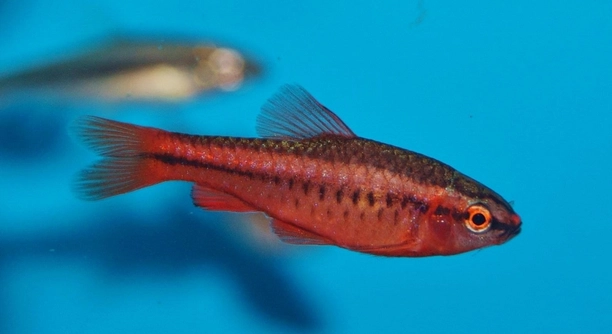
Cherry Barbs are small, peaceful fish commonly kept in home aquariums. If you’ve noticed your Cherry Barb being more active at night, it could be due to a few natural and environmental factors.
Cherry Barbs tend to be more active during the night due to their natural behavior. They are typically considered nocturnal or crepuscular, meaning they are most active during the evening or early morning hours. Low light conditions may encourage this behavior.
Understanding why your Cherry Barb behaves this way can help you create a better environment for them. Knowing these tendencies will lead to a happier, healthier fish in your aquarium.
Why Do Cherry Barbs Prefer Nighttime Activity?
Cherry Barbs are naturally more active during the evening and night. Their behavior is rooted in the fact that they are a species often found in low-light environments in the wild. In aquariums, the absence of bright lights during nighttime mimics these conditions, encouraging them to engage in activities they would normally do in the wild. Cherry Barbs are considered crepuscular or nocturnal, meaning they are most active during dusk or dawn. This natural rhythm helps them avoid predators and find food in their natural habitat. In home aquariums, the change in lighting conditions can trigger this behavior.
Their nocturnal activity can also be influenced by water temperature and quality. These factors, when aligned with their natural preferences, make the night a more favorable time for movement. If you notice your Cherry Barb swimming around at night, it’s simply following its instinctual pattern for activity.
While these behaviors are perfectly natural, it’s essential to ensure that your tank environment supports the needs of your fish. Proper lighting, temperature control, and water quality are vital for creating an environment where Cherry Barbs feel comfortable.
Creating a Night-Friendly Aquarium
One simple way to enhance your fish’s environment is to use dim lighting. Cherry Barbs tend to feel more secure in a tank with a subdued light setting, similar to twilight. This will help them express more natural behaviors and feel less stressed.
Maintaining water quality is just as important. A consistent temperature and clean water will help keep your fish active and healthy.
Environmental Factors Impacting Nighttime Activity
Lighting plays a significant role in the activity level of Cherry Barbs. In nature, they experience low levels of light, which triggers their nocturnal behaviors. Artificial lights in your aquarium can disrupt their natural cycle, making them more lethargic during the day.
To help maintain their natural rhythm, try dimming the aquarium lights in the evening or using a timer to mimic the natural cycle of day and night. This helps them feel more comfortable and active when the light fades. Adding plants or decorations can also provide hiding spots and make the environment feel more like their natural habitat, encouraging healthy behaviors.
Water temperature is another factor. Cherry Barbs thrive in temperatures between 72-79°F (22-26°C), so keeping the water within this range ensures their activity levels are consistent. Too warm or too cold water can cause stress, which will affect their behavior and overall health. Regular water changes can help maintain a clean, balanced environment, promoting your fish’s well-being.
Feeding Habits and Nighttime Activity
The feeding schedule may also play a role in when your Cherry Barb becomes active. If you feed them at night, they may associate the evening hours with food. Over time, your fish may become more active around this time, expecting to be fed.
It’s essential to feed your Cherry Barbs appropriately, avoiding overfeeding. You can try feeding them during their active periods to mimic their natural feeding times. Make sure to feed them small portions of food that they can consume quickly. Excess food left in the tank can lead to poor water quality, which may stress your fish and alter their activity patterns.
Tank Setup and Cherry Barb Activity
The setup of your aquarium can influence your Cherry Barb’s behavior. Adding plants or decorations gives them more places to hide, making them feel secure and encouraging nighttime activity. Without these elements, they may feel stressed and avoid swimming around.
Keeping your tank clean is also essential. Ensure your filtration system is working well to maintain water quality. Poor water conditions can lead to stress, making your Cherry Barb less active overall. A well-maintained tank helps support natural behavior, promoting a more active and healthy fish.
Tankmates and Activity Levels
Tankmates can affect the activity levels of Cherry Barbs. Aggressive or overly active fish may cause stress, leading your Cherry Barb to stay hidden during the day. On the other hand, peaceful tankmates allow your fish to feel safe and confident, leading to increased activity.
Choosing the right tankmates, such as other peaceful species, will help create a balanced environment. When Cherry Barbs feel secure, they are more likely to exhibit natural behaviors, including increased nighttime activity. Keep an eye on the dynamics between your fish to ensure everyone is getting along.
FAQ
Why do Cherry Barbs prefer to be active at night?
Cherry Barbs are naturally more active at night due to their instinctive behavior as nocturnal or crepuscular species. In the wild, they often live in low-light environments where they are more secure from predators during evening hours. In an aquarium, if the lighting is dimmed or turned off, Cherry Barbs feel more at ease, encouraging them to be more active at night. This behavior is completely natural and expected in the species.
Can I change the lighting to make my Cherry Barb more active during the day?
Yes, adjusting the lighting can impact your Cherry Barb’s activity. To encourage daytime activity, you can gradually increase the duration of light during the day while reducing the time of darkness. However, it’s important to make gradual changes to avoid stressing the fish. A consistent day-night cycle will help them adapt better.
How can I ensure my Cherry Barb stays healthy while being active at night?
To ensure your Cherry Barb remains healthy, you should focus on maintaining proper water quality and temperature. Keeping the water clean with regular changes and monitoring the temperature to stay between 72-79°F (22-26°C) is crucial. A balanced diet also supports their energy levels, especially during their active periods.
Does feeding time affect my Cherry Barb’s activity levels?
Yes, feeding times can impact activity. If you feed your Cherry Barb at night, it may associate evening hours with food, leading to increased activity. However, it’s important to feed them in moderation and ensure the food is consumed within a few minutes to avoid overfeeding and water pollution, which can stress the fish.
What tankmates are best for Cherry Barbs to keep them active?
The best tankmates for Cherry Barbs are peaceful fish that won’t compete aggressively for space or food. Peaceful species like tetras, small rasboras, or other small, non-aggressive fish work well. When your Cherry Barb feels secure with its tankmates, it will be more likely to stay active and display natural behaviors.
How do water conditions affect the activity of Cherry Barbs?
Water quality is crucial in maintaining the activity levels of Cherry Barbs. Poor water conditions, such as high ammonia or nitrite levels, can stress the fish and make them less active. Additionally, fluctuating water temperatures can cause discomfort, leading to inactivity. Regular water changes and proper filtration are necessary to maintain a healthy environment for your fish.
Is it normal for Cherry Barbs to hide during the day and only come out at night?
Yes, it’s normal for Cherry Barbs to be less active during the day and more active at night. These fish are naturally crepuscular, meaning they are most active during dawn and dusk. Providing hiding spots and plants in the tank will help them feel more secure and encourage them to emerge during their active hours.
How do Cherry Barbs interact with other fish?
Cherry Barbs are peaceful and social fish, which makes them great for community tanks. They generally get along well with other non-aggressive species. However, they can become stressed if housed with more territorial or aggressive fish, which may reduce their activity levels. Keeping the tank peaceful will allow them to interact naturally and remain active.
Do Cherry Barbs need special care to maintain their nighttime activity?
While Cherry Barbs don’t require special care for their nighttime activity, ensuring a stress-free environment is important. This includes proper water conditions, suitable tankmates, and a proper feeding schedule. Providing dim lighting or a consistent light cycle will help maintain their nocturnal habits and overall well-being.
Can Cherry Barbs adjust to brighter lighting over time?
Cherry Barbs may eventually adapt to brighter lighting, but they are still inclined to be more active in lower light. If you wish to make them more comfortable during the day, gradual changes in lighting intensity can help. However, some level of dim lighting is still preferable for their natural behavior.
How often should I feed my Cherry Barb?
Cherry Barbs should be fed small portions twice a day. Overfeeding can lead to water quality issues, which can cause stress and reduce their activity levels. Feed them only what they can consume within a few minutes, and remove any excess food promptly. A balanced diet is essential for keeping them active and healthy.
Are Cherry Barbs likely to breed if kept in an active environment?
Cherry Barbs can breed in a well-maintained, active environment, but there are certain conditions needed for successful breeding. These include slightly cooler water temperatures (around 70°F or 21°C), slightly acidic water, and providing plants where eggs can be laid. When they are active and comfortable, they are more likely to engage in natural breeding behaviors.
What should I do if my Cherry Barb seems less active than usual?
If your Cherry Barb appears unusually inactive, it could be a sign of stress or poor water conditions. Check the water temperature, pH levels, and ammonia or nitrite levels to ensure they are within the ideal range. Stress can also be caused by aggressive tankmates or improper lighting. Addressing these factors should help improve their activity.
Final Thoughts
Cherry Barbs are naturally nocturnal, and their tendency to be more active at night is an instinctive behavior. Their preference for low-light environments helps them feel more secure, which encourages their activity. In an aquarium setting, replicating their natural environment by adjusting lighting and adding hiding spots can enhance their nighttime behaviors. By dimming the lights or using timers to mimic the day-night cycle, you can encourage your Cherry Barb to become more active when the lights are off. This simple adjustment can make a noticeable difference in their behavior.
While their nighttime activity is normal, it’s important to maintain proper tank conditions to ensure overall health. This includes providing clean water, maintaining a stable temperature, and feeding them an appropriate diet. Poor water quality or improper water temperature can cause stress, which can reduce their activity levels, both at night and during the day. Regular water changes and consistent filtration are key to keeping your Cherry Barbs comfortable and healthy. A balanced diet also supports their energy levels and encourages natural behaviors. Small portions of food given at the right times can help maintain their activity patterns without causing harm.
Tankmates play a significant role in the activity levels of your Cherry Barbs. When kept with peaceful fish that don’t compete for space or food, they are more likely to feel secure and remain active. However, aggressive tankmates can cause stress and reduce their activity. A peaceful environment promotes natural behaviors, allowing your Cherry Barb to thrive. In the end, understanding the factors that influence their activity and adjusting the tank setup accordingly will ensure your fish remain healthy and engaged, displaying the lively behaviors they are known for.

Hello,
If you enjoy the content that we create, please consider saying a "Thank You!" by leaving a tip.
Every little bit helps us continue crafting quality advice that supports the health, happiness, and well-being of pets around the world, for pets of all shapes, sizes, and species.
We really appreciate the kindness and support that you show us!