
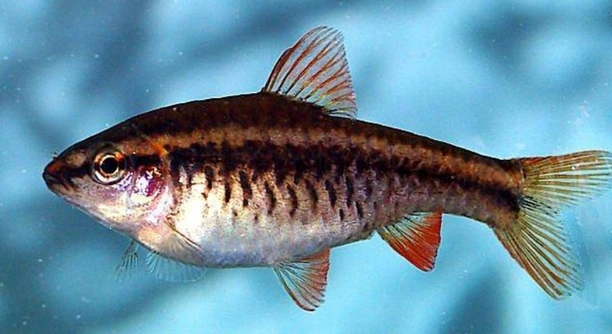
Cherry Barbs are a popular aquarium fish known for their peaceful nature and vibrant colors. As an aquarium hobbyist, you may have noticed your Cherry Barbs interacting with floating plants. Understanding how they feel about these plants can enhance your tank’s environment.
Cherry Barbs typically enjoy floating plants as they provide cover and a sense of security. These plants also create natural hiding spots, which reduce stress and encourage the fish to swim more freely, improving their overall well-being.
Knowing how Cherry Barbs respond to floating plants can help you create a more enriching and comfortable aquarium for them.
Why Floating Plants Matter for Cherry Barbs
Floating plants can provide an essential addition to a Cherry Barb’s environment. These plants mimic natural habitats where Cherry Barbs often live, offering them a sense of security and promoting healthy behavior. In the wild, they seek out plants and other cover to reduce stress and feel safe. In an aquarium, floating plants can replicate this, creating a more suitable environment for your fish.
Not only do these plants serve as protection, but they also aid in maintaining water quality by absorbing excess nutrients. This helps prevent the growth of harmful algae, which can negatively affect your Cherry Barbs. By using floating plants, you can make the aquarium more sustainable and improve water conditions for your fish.
Providing the right environment with floating plants also encourages natural behaviors like swimming and feeding. This setup helps keep Cherry Barbs active and content, promoting their overall health. It’s an easy yet effective way to enhance their living space and make your tank more dynamic.
Types of Floating Plants for Cherry Barbs
When selecting floating plants for Cherry Barbs, you have several options to consider. Some popular choices include duckweed, water lettuce, and Amazon frogbit. These plants float naturally on the water surface, allowing your Cherry Barbs to swim freely beneath them.
The key is to choose plants that don’t overshadow the entire aquarium. You want to give your Cherry Barbs plenty of space to swim and explore. It’s important to monitor plant growth regularly, as some types can quickly cover the water surface, limiting light and oxygen flow for other tank residents. Keep the plants trimmed to maintain balance in your aquarium.
These plants not only look great but also provide a calming atmosphere for your fish. Their soft, lush appearance makes your tank more visually appealing while supporting the health of Cherry Barbs. Be sure to choose plants that suit your tank size and lighting conditions for the best results.
Benefits of Floating Plants for Cherry Barbs
Floating plants provide much-needed shade for Cherry Barbs, preventing them from being exposed to harsh lighting. These shaded areas mimic their natural environment, helping reduce stress and making them feel more secure. By offering protection, the plants encourage your fish to explore and behave naturally.
Additionally, floating plants help maintain a healthier aquarium by absorbing excess nutrients and preventing the growth of algae. This natural filtration keeps the water cleaner, benefiting all the tank inhabitants. As they provide cover and improve water quality, these plants enhance the well-being of your Cherry Barbs. The less algae you have, the better your fish can thrive. Their tank will be more balanced, reducing the risk of water issues.
Lastly, floating plants give your aquarium a more natural and vibrant look. They soften the appearance of the water surface, making your tank visually appealing. The plants also move gently with the water, creating a soothing environment that adds a layer of tranquility to the space.
Choosing the Right Floating Plants
Selecting the right type of floating plant is crucial for your Cherry Barbs. Duckweed is a popular choice due to its rapid growth and dense coverage. It creates a soft, natural canopy that mimics the fish’s wild habitat, offering security and hiding spots. However, keep an eye on its growth, as it can quickly cover the surface and block light.
Water lettuce is another good option. Its broad, light green leaves provide both cover and oxygenation. It’s slow-growing, making it easier to manage compared to duckweed. However, it may need occasional trimming to prevent it from overtaking the tank.
Amazon frogbit, known for its attractive round leaves, floats freely and grows slowly. This makes it an ideal option for a more controlled environment, allowing Cherry Barbs plenty of swimming space. It’s also beneficial for water quality, helping maintain a healthier tank while offering your fish the shelter they need.
Managing Floating Plants in Your Aquarium
Floating plants require regular maintenance to ensure they don’t overwhelm the tank. Trim them periodically to prevent overcrowding. Excessive plant growth can limit light for other aquarium inhabitants and may impact oxygen levels. Keeping them under control is key to maintaining a balanced environment.
In addition to trimming, you should also remove any dead or decaying plant matter. These can break down and affect water quality. Floating plants may also need occasional repositioning to ensure they’re evenly distributed across the tank’s surface. Keeping the plants in check helps maintain a healthy habitat for your Cherry Barbs.
Impact on Cherry Barb Behavior
Floating plants can have a significant impact on the behavior of Cherry Barbs. With the cover they provide, the fish often feel more comfortable and secure. This increased sense of safety can reduce stress and allow Cherry Barbs to swim and interact with their environment in a more relaxed manner.
The presence of floating plants also encourages natural behaviors. Cherry Barbs may spend time swimming around and exploring the plants, grazing on any biofilm or detritus that may have collected on the leaves. It fosters their instinct to seek out hiding spots while staying active and engaged in their surroundings.
Water Quality and Floating Plants
Floating plants play a vital role in maintaining water quality. They absorb excess nutrients such as nitrates and phosphates, helping prevent algae blooms. This is crucial for keeping the tank’s water clean and clear. With the right plants in place, you’ll have a more stable and healthy environment for your Cherry Barbs.
Additionally, floating plants can provide oxygen for the tank by utilizing carbon dioxide during photosynthesis. This benefits both the fish and any other plants in the tank. Regularly checking water parameters ensures that the plants and fish coexist harmoniously in a balanced ecosystem.
FAQ
Do Cherry Barbs need floating plants in their tank?
While floating plants are not an absolute necessity for Cherry Barbs, they offer several benefits. They create hiding spots, reduce stress, and replicate a more natural environment for your fish. These plants help Cherry Barbs feel secure and encourage their natural behaviors. They also improve water quality by absorbing excess nutrients and preventing algae growth. However, if your tank doesn’t have floating plants, your Cherry Barbs can still thrive with proper care and attention to water conditions.
Can floating plants harm Cherry Barbs?
Floating plants are generally beneficial, but excessive growth can become a problem. When plants cover the water’s surface too much, they can block light, leading to poor water quality and inadequate oxygen levels for other tank inhabitants. If not managed properly, this can cause stress to your Cherry Barbs. It’s important to trim and monitor plant growth regularly to prevent this from happening. As long as they are kept in check, floating plants are a great addition to your tank.
How often should I trim floating plants in my aquarium?
The frequency of trimming floating plants depends on their growth rate. For fast-growing plants like duckweed, you might need to trim them once a week or every other week. Slower-growing plants, like Amazon frogbit, may only need trimming once a month. Always remove any dead or decaying plant matter immediately, as it can impact water quality. Keep an eye on your tank and adjust your maintenance routine to ensure the plants don’t overtake the surface and block light.
Do floating plants help with algae growth in the tank?
Yes, floating plants can help prevent algae growth by absorbing excess nutrients like nitrates and phosphates. These nutrients, if left unchecked, can lead to algae blooms. By using floating plants, you reduce the available nutrients for algae, helping to keep your tank cleaner and healthier. They also provide shade, which can limit the amount of light reaching algae, further reducing its growth.
Are there any specific types of floating plants that work best for Cherry Barbs?
Cherry Barbs thrive in tanks with a variety of floating plants. Some great options include duckweed, water lettuce, and Amazon frogbit. Duckweed is fast-growing and provides ample coverage for hiding. Water lettuce has broad leaves, offering shelter and oxygenation. Amazon frogbit grows slowly, making it easier to manage. Each plant has its own benefits, so you can choose based on your tank’s size, lighting, and maintenance preferences.
Can floating plants improve the overall health of my Cherry Barbs?
Yes, floating plants can significantly improve the health of your Cherry Barbs. They help reduce stress by providing cover, giving your fish a sense of security. The plants also help maintain water quality by removing excess nutrients that could otherwise cause issues. Healthier water means healthier fish. Additionally, the increased oxygenation from the plants can help your Cherry Barbs stay active and thrive.
Should I remove floating plants when doing water changes?
It’s not necessary to remove floating plants every time you do a water change, but it can be helpful to temporarily move them aside to access the tank more easily. If you notice debris or waste collecting on the plants, gently clean them before placing them back in the tank. Always ensure the plants are in a safe and stable position after water changes, so they can continue to help with water filtration and offer protection to your fish.
How do floating plants affect the lighting in the tank?
Floating plants can block some light from reaching the bottom of the tank, especially if they cover the surface extensively. This may affect any plants or creatures living on the bottom. To prevent this, monitor your floating plants’ growth and trim them regularly. If your tank has other plants that need sunlight, make sure they are still receiving adequate light. You may also want to adjust the intensity or duration of your tank’s lighting to balance the needs of all your aquatic life.
Can I use floating plants with other fish species?
Floating plants can be beneficial for many different fish species. They create a more natural environment, reduce stress, and improve water quality. However, some fish, especially those with a tendency to nibble on plants, may damage them. Make sure to choose floating plants that match the needs of both your Cherry Barbs and other tank inhabitants. For instance, slow-moving fish or species that prefer lots of cover will enjoy floating plants, while more active fish may not interact with them as much.
Are floating plants easy to maintain?
Floating plants are relatively easy to maintain compared to rooted plants. They don’t require substrate and can thrive with basic care, such as occasional trimming and removing dead leaves. However, their growth rate can be fast, so regular monitoring is necessary to prevent them from overtaking the tank. As long as you manage their growth, floating plants are low-maintenance and will significantly benefit the tank’s ecosystem. Keep an eye on water quality and plant health for the best results.
Final Thoughts
Floating plants can greatly enhance the aquarium environment for Cherry Barbs. They provide a sense of security and a more natural habitat by offering cover and shade. This not only reduces stress for the fish but also encourages them to exhibit natural behaviors, like exploring and swimming freely. By replicating their natural environment, floating plants help improve their overall well-being. In addition, they add visual appeal to the tank, softening the look of the water’s surface and creating a soothing atmosphere.
Aside from the aesthetic and behavioral benefits, floating plants also play a crucial role in maintaining water quality. They help absorb excess nutrients, such as nitrates and phosphates, which are typically present in fish waste and uneaten food. These nutrients, if left unchecked, can lead to algae blooms. By preventing such blooms, floating plants help keep the tank cleaner and reduce the need for chemical treatments. The plants also contribute to oxygenation, benefiting not just the Cherry Barbs but any other fish and invertebrates in the tank as well. With the right care and attention, they can be a key factor in creating a balanced and healthy aquarium.
While floating plants offer many advantages, it’s important to maintain them properly. Regular trimming and monitoring are essential to ensure they don’t overwhelm the tank or block too much light. Depending on the plant species, you may need to adjust the frequency of maintenance. Some plants, like duckweed, can grow rapidly, requiring frequent trimming, while others, like Amazon frogbit, grow slower and may only need attention occasionally. In any case, balancing the needs of the plants, the fish, and the overall tank environment will help ensure a thriving aquatic setup for your Cherry Barbs.

Hello,
If you enjoy the content that we create, please consider saying a "Thank You!" by leaving a tip.
Every little bit helps us continue crafting quality advice that supports the health, happiness, and well-being of pets around the world, for pets of all shapes, sizes, and species.
We really appreciate the kindness and support that you show us!