
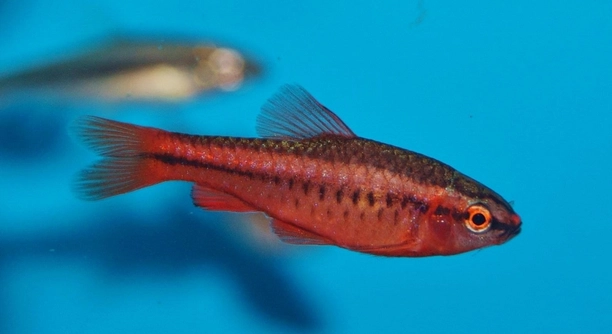
Cherry barbs are a popular and vibrant species of freshwater fish. However, they can experience various health issues that may affect their well-being. Understanding the factors that contribute to these illnesses can help in their care and prevention.
There are several conditions that can lead to illness in cherry barbs, including poor water quality, improper diet, stress, and infections. Ensuring a stable environment with appropriate water conditions, nutrition, and tank mates is essential for maintaining their health.
By recognizing the signs of these conditions early, you can take steps to protect your cherry barbs and improve their quality of life. Understanding their needs will help you provide a healthier environment.
Poor Water Quality
Water quality is one of the most important factors when it comes to the health of cherry barbs. They are sensitive to changes in their environment, especially when it comes to the levels of ammonia, nitrites, and nitrates. Poor water quality can cause stress, weaken their immune system, and make them more susceptible to diseases.
In an aquarium, it’s crucial to perform regular water changes and test the water to ensure it is safe for your fish. Cherry barbs thrive in water with a pH between 6.0 and 7.5, and a temperature range of 72-79°F. If water quality is compromised, it can lead to skin lesions, fin rot, or even death.
A water filter is also important to maintain cleanliness. If water parameters fluctuate too much, it can create an unstable environment for cherry barbs, leading to long-term health issues. You can monitor the water quality by testing it regularly and maintaining the right balance of beneficial bacteria in the tank.
Improper Diet
A poor diet can have lasting effects on the health of cherry barbs. A balanced, varied diet is key to keeping them healthy. Feeding them a mix of high-quality flakes, pellets, and occasional live or frozen food like brine shrimp or daphnia will provide the necessary nutrients.
Without proper nutrition, cherry barbs can become weak, develop deformities, or have a shortened lifespan. Overfeeding should also be avoided, as it can lead to bloating and poor water quality.
Stress
Cherry barbs are sensitive to stress, which can weaken their immune system and make them more vulnerable to illness. Common stressors include overcrowding, sudden changes in water temperature, or aggressive tank mates.
Stress can lead to a variety of health issues like reduced appetite, faded coloration, and even death. It’s important to keep the tank peaceful and avoid placing too many fish in a small space. You should also ensure that the water temperature and pH levels remain stable. Stress can be minimized by keeping tank conditions consistent and providing plenty of hiding spots.
Adding plants and decorations that offer shelter will help cherry barbs feel secure and reduce their stress levels. Avoid sudden changes to their environment and observe them for signs of stress, such as erratic swimming or hiding. Addressing the cause of stress promptly can improve their health over time.
Infections
Infections, whether fungal, bacterial, or parasitic, are common issues that can affect cherry barbs. If left untreated, these infections can quickly spread throughout the tank.
Signs of infection include swelling, abnormal swimming behavior, and visible lesions on their bodies. Keeping the tank clean, maintaining good water quality, and monitoring your fish closely can help prevent infections. When a fish is sick, isolating it in a quarantine tank can prevent the infection from spreading to others.
Treating infections early is crucial for recovery. Consult a veterinarian for proper medication or use aquarium treatments available in pet stores. Regularly disinfecting tanks and maintaining proper hygiene will help reduce the risk of infections.
Poor Tank Mates
Choosing the right tank mates is essential for cherry barbs’ well-being. Aggressive fish or species that occupy the same space can stress out cherry barbs, making them more prone to illness.
Aggressive tank mates can nip at the fins of cherry barbs or outcompete them for food. Choosing peaceful species that won’t disturb them is key. It’s also important to consider the size of your tank to avoid overcrowding.
Providing enough space for each fish to thrive and creating separate zones within the tank helps minimize aggression. Keep an eye out for any signs of bullying or stress among your fish.
Overfeeding
Overfeeding can cause serious problems in your tank, such as poor water quality and bloating in cherry barbs. Feeding them too much can lead to excess waste, which in turn affects the water conditions.
Make sure to feed only what your fish can consume in a few minutes. Remove any leftover food after feeding to maintain good water quality. Overfeeding not only harms water conditions but can also lead to obesity in your cherry barbs. Regularly monitor their diet to avoid these issues.
Poor Tank Maintenance
A dirty tank can cause many health problems for cherry barbs. Without regular cleaning and proper filtration, toxins and debris build up, creating a harmful environment.
Ensure that your tank is cleaned regularly, including water changes, filter maintenance, and removing waste from the substrate. This will help prevent diseases and improve the overall health of your fish. Keeping the tank clean also prevents the spread of harmful bacteria or parasites that thrive in unsanitary conditions.
FAQ
What temperature is best for cherry barbs?
Cherry barbs thrive in water temperatures between 72°F and 79°F. Keeping the water within this range helps maintain their health and ensures they remain active. If the water is too cold, they can become sluggish, while excessively high temperatures can stress them and weaken their immune system. Use a reliable aquarium heater to regulate temperature in the tank.
How often should I change the water in a cherry barb tank?
It’s recommended to change 25-30% of the water every two weeks. This keeps the water clean and removes harmful substances like nitrates, which can build up over time. Regular water changes help maintain water quality and prevent the development of diseases.
Can cherry barbs live with other fish?
Yes, cherry barbs are peaceful and can live with other non-aggressive fish. They do well in community tanks with species like tetras, small catfish, and snails. However, avoid keeping them with aggressive or fin-nipping fish that may harm them.
What should I feed my cherry barbs?
Cherry barbs are omnivores and enjoy a varied diet. Feed them high-quality flakes or pellets, supplemented with occasional live or frozen food such as brine shrimp, daphnia, or bloodworms. Providing a balanced diet helps keep them healthy and active.
How can I tell if my cherry barb is sick?
Signs of illness in cherry barbs include faded coloration, abnormal swimming behavior (such as swimming erratically or near the surface), and visible lesions or bloating. If you notice any of these symptoms, it’s important to isolate the sick fish and treat it promptly to prevent the spread of infection.
Do cherry barbs need a lot of space?
While cherry barbs are small, they still require adequate space to thrive. A 20-gallon tank is recommended for a small group. They are active swimmers, and having enough space allows them to move freely, reducing stress and promoting good health.
Are cherry barbs sensitive to water quality?
Yes, cherry barbs are sensitive to water quality. They can suffer from stress, weakened immunity, and infections if the water is not kept clean. Regularly test the water for ammonia, nitrites, and nitrates, and ensure proper filtration and water changes to maintain a healthy environment.
Can cherry barbs live in a planted tank?
Cherry barbs do well in planted tanks, as they enjoy swimming among plants. Live plants also help improve water quality by absorbing excess nutrients. Adding plants like Java moss, Anubias, or Amazon swords creates a natural and comfortable environment for cherry barbs.
How do I breed cherry barbs?
Breeding cherry barbs requires a separate breeding tank with clean water and plenty of plants for the fish to hide in. After mating, the female will lay eggs on the plants, and the male will fertilize them. Once the eggs hatch, remove the adult fish to prevent them from eating the fry.
Can cherry barbs live in hard water?
Cherry barbs prefer slightly soft to moderately hard water. While they can tolerate hard water, excessively hard water may cause stress and affect their health. Regular water testing helps you maintain the right balance of minerals in the tank.
What are common diseases in cherry barbs?
Common diseases in cherry barbs include fin rot, ich (white spot disease), and velvet disease. These are typically caused by poor water quality, stress, or poor tank maintenance. Keeping the tank clean, maintaining water quality, and monitoring your fish can prevent many common diseases.
How long do cherry barbs live?
Cherry barbs typically live for 3 to 5 years if they are well cared for. Proper tank maintenance, a balanced diet, and stable water conditions can help extend their lifespan. Regularly monitor their health and environment to keep them healthy for as long as possible.
Are cherry barbs easy to care for?
Yes, cherry barbs are relatively easy to care for. They are hardy fish that don’t require specialized care but do best in stable, clean water conditions. With proper tank size, good water quality, and a balanced diet, cherry barbs can thrive in most aquariums.
Can cherry barbs tolerate low oxygen levels?
Cherry barbs prefer well-oxygenated water and may struggle in low-oxygen environments. To ensure they have adequate oxygen, use a good filter and aerator. Regular water changes also help maintain oxygen levels and keep the fish healthy.
What should I do if my cherry barb is not eating?
If your cherry barb isn’t eating, it could be a sign of stress, illness, or poor water quality. Check the water parameters and make sure the tank is free from stressors. If the fish continues to refuse food, isolate it and observe for other symptoms of illness.
Final Thoughts
Caring for cherry barbs requires attention to their environment, diet, and overall well-being. By maintaining stable water conditions and offering a balanced diet, you can ensure that these fish stay healthy and thrive. Consistent water changes, proper filtration, and monitoring the tank regularly are essential steps to create a thriving habitat for your cherry barbs. Keeping the tank peaceful and choosing the right tank mates also plays a crucial role in reducing stress and promoting their health.
It’s important to recognize the signs of stress, illness, or infection early. Cherry barbs, like all fish, rely on their environment for survival, so providing them with a comfortable space is key. Understanding the specific needs of these fish, such as water temperature, pH levels, and the right tank size, can prevent many common issues. When cared for properly, cherry barbs are resilient and hardy, making them great additions to most community tanks.
Finally, taking the time to learn about the specific needs of your cherry barbs can help you avoid many preventable problems. Whether it’s understanding their ideal tank conditions or knowing how to spot early signs of illness, small efforts can make a big difference. With the right care, cherry barbs can live long, healthy lives and bring beauty to your aquarium.

Hello,
If you enjoy the content that we create, please consider saying a "Thank You!" by leaving a tip.
Every little bit helps us continue crafting quality advice that supports the health, happiness, and well-being of pets around the world, for pets of all shapes, sizes, and species.
We really appreciate the kindness and support that you show us!