
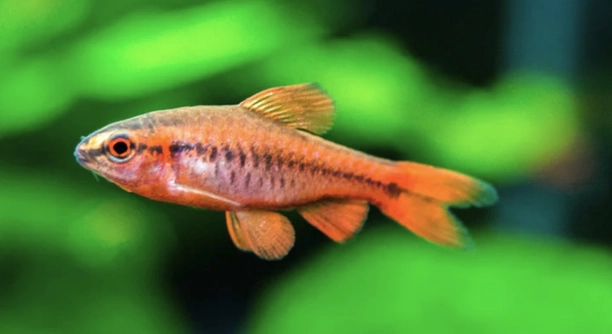
Cherry Barbs are popular aquarium fish known for their vibrant colors and active nature. However, when they stop moving, it can be concerning. Understanding the reasons behind this behavior is essential for maintaining a healthy aquarium environment.
The main reason for a Cherry Barb’s lack of movement can be attributed to stress, illness, or unfavorable water conditions. Poor water quality, incorrect temperature, or a sudden change in the environment can all cause them to become lethargic.
By addressing the underlying causes, you can help restore your Cherry Barb’s vitality and ensure it remains active and healthy in its tank.
Stress and Overcrowding in the Tank
Stress can be a major factor in your Cherry Barb’s lack of movement. When they feel threatened, they may become more withdrawn or inactive. Common sources of stress include overcrowding, aggressive tank mates, or constant environmental changes. Overcrowding is particularly harmful because it limits the space your fish have to swim and thrive. When fish are in close proximity to each other, they can become stressed, leading to lethargy.
Your Cherry Barb may also feel uncomfortable if its tank mates are aggressive or territorial. This can result in the fish staying in one spot and avoiding activity. It’s important to monitor how the fish interact with one another to reduce stress and encourage natural behavior.
To reduce stress, make sure your tank is properly sized for your Cherry Barbs. A good rule of thumb is to have at least 10 gallons of water per small group of fish. Additionally, adding plenty of plants and hiding spots can provide a sense of security, giving your fish room to swim freely.
Water Conditions
Water quality plays a crucial role in the health of your Cherry Barb. Poor water conditions, such as imbalanced pH levels, improper temperature, or high levels of ammonia, can cause your fish to become inactive. Cherry Barbs thrive in water temperatures between 74°F and 79°F (23°C-26°C). If the water is too cold or too hot, it can lead to lethargy.
Testing the water regularly is essential to ensure the right balance of pH, nitrate, and ammonia levels. Using a water conditioner can help remove harmful chemicals, and a good filtration system will maintain clean water. Regular water changes are vital to prevent toxins from building up.
If you notice your Cherry Barb is sluggish, check the water parameters to ensure they are within the ideal range. If not, adjusting the temperature and performing a water change can help bring your fish back to life.
Illness and Disease
Infections or parasites can cause Cherry Barbs to stop moving. Bacterial infections, fungal growth, or internal parasites affect their behavior, making them more sluggish. A lack of movement is often a sign that something isn’t right.
If your Cherry Barb shows signs of bloating, redness, or unusual spots, it may have an illness. Many diseases, such as ich or swim bladder disease, affect their mobility. It’s important to quarantine sick fish immediately to prevent the spread of infection.
Treating illness requires identifying the problem early. Begin by adjusting water quality and temperature, as many infections are linked to poor tank conditions. You may need specific medications depending on the symptoms your fish shows. Consulting with an aquarium expert or vet can also help guide you to the right treatment.
Poor Diet
A poor diet can also lead to inactivity in Cherry Barbs. These fish require a balanced diet rich in proteins, vitamins, and minerals. If they’re not getting the proper nutrients, they may lack energy and stay still.
Feeding a variety of foods is essential for their health. Include high-quality flakes or pellets, supplemented with live or frozen food such as brine shrimp or bloodworms. This will help keep your Cherry Barb active and healthy. Avoid overfeeding, as uneaten food can pollute the tank, worsening water quality and leading to stress.
Incorporating plants like algae into their diet can also be beneficial, providing extra nutrients and keeping them engaged. Proper nutrition can have a noticeable impact on their behavior, encouraging them to swim and interact with their environment.
Inadequate Tank Size
If your Cherry Barb’s tank is too small, it can lead to inactivity. Fish need room to swim and explore. A cramped space can make them feel stressed and unsettled.
Cherry Barbs thrive in groups of at least five. In smaller tanks, they can become territorial and hesitant to move around. Ensure that your tank size matches the number of fish and provides ample swimming space.
Poor Water Flow
Water flow plays a significant role in the activity of Cherry Barbs. They prefer moderate water flow to mimic their natural habitat, where they swim in rivers with gentle currents.
Too strong a current can overwhelm them, while stagnant water can lead to discomfort. Adjust the filter or add plants to help diffuse the flow, creating a more comfortable environment. This balance will encourage movement and reduce stress in your fish.
FAQ
Why is my Cherry Barb staying at the bottom of the tank?
If your Cherry Barb is staying at the bottom, it could be due to poor water quality, stress, or illness. Cherry Barbs are active swimmers and usually stay near the middle or top of the tank. If they’re staying at the bottom, check for signs of disease or parasites. Poor water quality can also cause lethargy, so test the water parameters and make sure they’re within the proper range. If the tank is overcrowded or if there’s aggressive behavior from other fish, it may also cause your Cherry Barb to stay hidden at the bottom to avoid conflict.
What can I do if my Cherry Barb is swimming in circles?
Swimming in circles may indicate stress or an issue with their environment. Poor water quality or inappropriate water parameters, like incorrect temperature or pH, can cause abnormal swimming patterns. It could also be a sign of swim bladder disease, which affects their ability to maintain buoyancy. To help your Cherry Barb, ensure the water is clean, the temperature is stable, and the tank is not overcrowded. If the behavior persists, quarantine the fish and consider seeking advice on treatments for swim bladder disease or other potential illnesses.
Is it normal for Cherry Barbs to hide?
Yes, it’s normal for Cherry Barbs to hide occasionally. However, if they are constantly hiding and not interacting with other fish or moving around, it could be a sign of stress or illness. Cherry Barbs prefer to be in groups and may feel more secure when they have places to hide. Make sure your tank has plenty of plants, decorations, and hiding spots. Check water quality regularly and ensure your tank mates are peaceful to prevent your Cherry Barb from feeling threatened.
Can Cherry Barbs become lethargic from poor diet?
Yes, Cherry Barbs can become lethargic if they’re not getting a balanced and nutritious diet. A lack of variety or poor-quality food can lead to malnutrition, affecting their energy levels and overall health. Feed your Cherry Barbs high-quality pellets, flakes, and occasional live or frozen food like bloodworms or brine shrimp. Ensure they’re getting the necessary vitamins and minerals. Overfeeding can also lead to sluggishness, so avoid excess food that isn’t eaten. A proper diet is essential to keeping them active and healthy.
How do I know if my Cherry Barb is stressed?
Stressed Cherry Barbs may exhibit various signs, such as hiding, decreased activity, loss of appetite, or unusual swimming behavior. They may also display color changes, becoming paler or more dull in appearance. If your fish are frequently darting around or have a constant “hiding” behavior, it could be a sign of stress. Stress can be caused by poor water quality, overcrowding, incompatible tank mates, or rapid environmental changes. Identifying and addressing the stressor is crucial for restoring your Cherry Barb’s well-being.
Can Cherry Barbs live with other fish?
Cherry Barbs are generally peaceful and get along well with other non-aggressive fish. They do best in community tanks with other small, peaceful species. Avoid housing them with large or territorial fish that could cause stress or aggression. Ideal tank mates include other barbs, tetras, and livebearers. Ensure that the other fish in the tank are not overly aggressive or competitive for food. A harmonious tank setup will encourage your Cherry Barbs to be more active and social.
Why do my Cherry Barbs only move when I feed them?
If your Cherry Barbs only move when food is offered, they may be inactive due to poor water quality or stress. Fish are often more motivated to move when they sense food, but if they aren’t swimming around regularly, it’s a sign that something may be wrong. Check the water parameters, temperature, and filtration system to ensure they are optimal. It’s also a good idea to observe their behavior for any signs of illness, as lethargy could indicate health problems. Keeping the tank environment stress-free can encourage more natural movement.
Can Cherry Barbs survive in cold water?
Cherry Barbs are tropical fish and thrive in warmer water, typically between 74°F and 79°F (23°C–26°C). They can tolerate slight temperature variations but may become lethargic or stressed in cold water. If the water temperature drops too low, it can affect their immune system, making them more prone to illness. It’s essential to maintain a stable temperature using a reliable aquarium heater, especially in cooler climates. If the temperature falls below 70°F (21°C) for extended periods, your Cherry Barbs could become inactive and unhealthy.
How can I prevent my Cherry Barbs from becoming inactive?
To prevent your Cherry Barbs from becoming inactive, focus on providing a stable and enriching environment. Keep the water clean and properly filtered, and maintain the right temperature and pH levels. Provide plenty of plants and hiding spots to help them feel secure. Avoid overcrowding, as this can cause stress and lethargy. Also, offer a varied and nutritious diet to keep them healthy and active. Lastly, ensure they have peaceful tank mates that won’t cause aggression or stress. A well-maintained tank will encourage your Cherry Barbs to remain active.
Do Cherry Barbs need a specific light cycle?
Cherry Barbs don’t require a strict light cycle, but they do need a natural day and night cycle to thrive. A light period of about 10-12 hours per day is ideal. Too much light can cause stress and promote algae growth, while too little light can disrupt their natural rhythms. Using a timer for your aquarium light is a simple way to maintain a consistent light cycle. If the tank is too bright or too dark, it could affect your Cherry Barb’s activity levels and overall health.
Final Thoughts
Cherry Barbs are generally active, peaceful fish that thrive in well-maintained tanks with the right environment. When they start to show signs of inactivity, it’s important to investigate the root cause. Issues such as poor water quality, inadequate tank size, or stress from incompatible tank mates can all lead to sluggish behavior. Ensuring that your tank’s conditions are optimal is the first step toward improving your fish’s health. Regular water changes, monitoring of tank parameters, and maintaining a stress-free environment are essential for keeping your Cherry Barbs healthy and active.
Another factor to consider is diet. Cherry Barbs need a balanced, varied diet to stay energized. Poor nutrition can lead to lethargy, so it’s crucial to feed them high-quality flakes or pellets along with occasional live or frozen foods. Overfeeding can also lead to problems, so it’s important to stick to a proper feeding routine. Additionally, ensuring that your Cherry Barbs have access to enough space and enrichment can help keep them active. A lack of swimming area or hiding spots can make them feel stressed, which could contribute to inactivity.
Finally, always keep an eye on your Cherry Barbs for any signs of illness. If they become suddenly inactive, it may be a sign of a health issue. Diseases or parasites can make them less likely to move around. If you notice anything unusual, it’s a good idea to quarantine the affected fish and consider medication or other treatments. A healthy tank environment, combined with proper care and attention, will go a long way in ensuring that your Cherry Barbs remain active, happy, and healthy for years to come.

Hello,
If you enjoy the content that we create, please consider saying a "Thank You!" by leaving a tip.
Every little bit helps us continue crafting quality advice that supports the health, happiness, and well-being of pets around the world, for pets of all shapes, sizes, and species.
We really appreciate the kindness and support that you show us!