
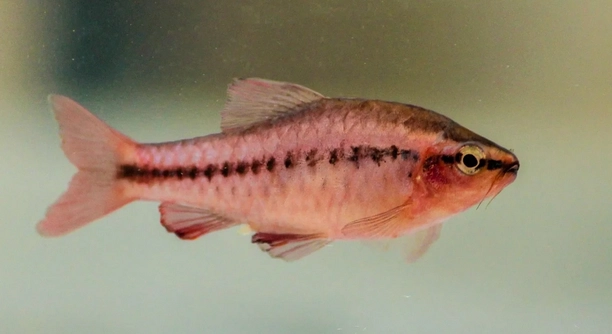
Are your cherry barbs acting strangely, floating at odd angles, or struggling to swim properly in their tank? Swim bladder problems may be the cause, and early signs are often easy to miss if you’re not looking closely.
Cherry barbs with swim bladder issues may display symptoms like floating sideways, sinking to the bottom, or having trouble maintaining balance. These signs indicate a disruption in their buoyancy control, often caused by poor diet, infections, or physical trauma.
Knowing these symptoms will help you take better care of your cherry barbs and support their health before things get worse.
Floating at the Surface or Sinking to the Bottom
Cherry barbs with swim bladder issues often float to the surface or sink uncontrollably. This happens when the swim bladder, which helps them stay balanced in the water, stops working properly. You might notice your fish tilting, drifting, or struggling to stay level. This symptom isn’t just odd behavior—it’s usually one of the first visible signs that something’s wrong. Overfeeding, poor water quality, and infections are common triggers. If one or more fish suddenly can’t maintain their position in the water, it’s important to take action. This includes checking the tank conditions and considering a diet adjustment. Early care can prevent more serious health complications later.
This symptom can affect their feeding and daily movement, making it harder for them to stay healthy.
Make sure your tank is clean and the water parameters are stable. A consistent feeding routine also helps reduce stress and supports better swim bladder function.
Tilting, Leaning, or Lopsided Swimming
You may spot your cherry barb swimming at an angle, either sideways or with its head tilted downward. This isn’t normal and should be addressed quickly.
These awkward swimming patterns often stem from pressure or inflammation in the swim bladder. Infections, internal parasites, or bloating from overeating can cause this. Even constipation can lead to tilting or lopsided motion. When a fish leans or swims unevenly, it’s not just uncomfortable for them—it also makes it harder for them to find food, escape aggression, or explore their space. Isolation and limited movement can follow, which reduces their quality of life. If your cherry barb begins swimming strangely, avoid feeding for 24 hours and offer a shelled, cooked pea the next day. This helps relieve constipation. Also, check the tank for signs of bacterial growth or waste buildup. Clean water and the right temperature range—ideally around 74°F to 79°F—can help reduce further stress on the fish and promote recovery.
Gasping at the Surface or Rapid Gill Movement
Rapid gill movement or gasping at the surface can be signs of distress. Swim bladder issues may be linked to poor water quality, making it harder for fish to breathe. Low oxygen levels only add to the stress.
When the swim bladder is affected, cherry barbs can become weak, causing labored breathing. This can be made worse by high ammonia or nitrate levels in the water. Gasping often means the fish are struggling to get enough oxygen, especially if they’re hanging near the surface. It’s important to check your filtration system and ensure there’s enough aeration in the tank. A lack of oxygen may not cause swim bladder issues directly, but it contributes to poor overall health and can make recovery harder. Partial water changes, removing uneaten food, and adding an air stone can help bring oxygen levels back to normal.
Keep the tank well-maintained to support their breathing and reduce stress-related complications. Test your water weekly.
Loss of Appetite
A cherry barb with swim bladder trouble may stop eating, especially if it’s floating or stuck at the bottom. Eating becomes difficult when balance is affected, and stress can make them ignore food entirely.
Loss of appetite often starts gradually. You might notice leftover food in the tank or see your fish approaching food but backing away. This isn’t just about physical trouble swimming to the surface or bottom—it also signals discomfort or internal distress. If they’re constipated, it only worsens the issue. A good first step is to fast them for a day and then offer a small piece of soft, cooked pea. This can help with digestion and ease any bloating. Also, consider switching to a high-fiber or sinking pellet, especially if your fish struggles to reach floating food. Improving diet, keeping the water clean, and monitoring feeding can help bring their appetite back and support recovery.
Belly-Up Floating or Uncontrolled Spinning
Belly-up floating is a classic sign of swim bladder dysfunction. It usually happens after a meal or during times of stress. This symptom is more than just unusual behavior—it means the fish is having trouble staying upright.
Uncontrolled spinning or rolling can follow belly-up floating. It’s disorienting for the fish and often leads to injury from bumping into decorations or tank walls. This movement is not voluntary and should be addressed quickly.
Lethargy or Staying in One Spot
When a cherry barb stays in one place or shows little interest in its surroundings, it could be due to discomfort. Swim bladder trouble can cause them to rest at the bottom or hang near the top. Energy is often drained as they struggle to stay balanced. You might also see them hiding more frequently or avoiding other fish. While it’s normal for them to rest sometimes, constant inactivity suggests a deeper issue. Checking water temperature, testing water quality, and easing their diet can help reduce stress and encourage more movement.
Difficulty Reaching Food
Struggling to reach food at the top or bottom of the tank is another clear symptom. If your cherry barb swims awkwardly or gives up eating, this should be addressed right away.
FAQ
What causes swim bladder issues in cherry barbs?
Swim bladder problems can occur due to several reasons. Poor water quality, infections, parasites, and constipation are common causes. Overfeeding or feeding inappropriate foods can lead to bloating, which affects the swim bladder. Environmental stress, such as sudden changes in water temperature or poor tank conditions, can also contribute. Overcrowding in the tank or injuries to the fish can further disrupt its ability to maintain proper buoyancy. It’s important to monitor both their environment and diet to avoid these issues. Consistent water changes and careful feeding can help prevent swim bladder problems.
How can I fix swim bladder issues in my cherry barb?
The first step in addressing swim bladder issues is to inspect the water quality. Regular water changes and maintaining proper filtration are essential for a healthy tank. If the issue is related to constipation, fasting the fish for a day and then feeding it a cooked pea can help. Medications for internal parasites or bacterial infections might be necessary if those are the cause. Ensure that the fish’s diet is appropriate, consisting of high-quality food. If the problem persists, consulting a vet experienced in aquarium fish can provide additional guidance.
Is swim bladder disease treatable?
Yes, swim bladder disease can often be treated if caught early. Treatment typically focuses on improving tank conditions and addressing any underlying causes like poor water quality or diet. Fasting the fish for a short period, followed by feeding it a pea, can alleviate constipation-related issues. If the cause is an infection or parasites, specific treatments or medications may be required. In some cases, the condition can be more difficult to manage, especially if the problem is due to a physical injury or long-term stress. Early intervention increases the likelihood of successful treatment.
Can swim bladder issues be prevented?
Prevention is possible with careful tank management and proper feeding. Maintain a stable, clean environment by doing regular water changes and monitoring water quality. Avoid overfeeding, as uneaten food can contribute to digestive issues like constipation, which often leads to swim bladder problems. Offer a balanced diet that includes sinking pellets or high-fiber foods. Reducing stress in the tank by keeping the fish’s environment calm and free from aggressive tank mates is also important. Properly maintaining water temperature and ensuring adequate oxygen levels will help prevent issues from arising.
How can I tell if my cherry barb has a bacterial infection?
If your cherry barb is showing signs of lethargy, unusual swimming patterns, or a loss of appetite, a bacterial infection might be the cause. Look for other symptoms such as swelling, redness, or open sores on the skin. Discoloration of the fins or body, as well as visible lesions, could indicate a bacterial infection. If you suspect an infection, it’s best to remove the affected fish from the main tank to prevent spreading it to other fish. You can treat bacterial infections with appropriate antibiotics, but it’s important to identify the correct type to use. A vet or a knowledgeable aquarium professional can help with diagnosis.
Can swim bladder problems be caused by overfeeding?
Yes, overfeeding is one of the most common causes of swim bladder issues in cherry barbs. When fish are overfed, they often have trouble digesting food properly. This can lead to bloating, which presses against the swim bladder and affects its function. Overfeeding can also result in constipation, which can cause similar issues. To prevent this, feed your fish in small portions they can consume within a few minutes, and avoid leaving uneaten food in the tank. A proper feeding schedule will reduce the risk of digestive issues and maintain overall fish health.
Can cherry barbs recover from swim bladder issues?
Many cherry barbs can recover from swim bladder issues, especially if the problem is caught early. Recovery depends on the cause of the issue. If it’s related to constipation, a simple fasting period followed by a diet of cooked peas often resolves the problem. For infections, the right medication can help the fish recover. If the issue is caused by poor water quality or stress, improving the tank environment can lead to improvement. However, if the swim bladder problem is caused by a more serious or chronic condition, recovery might be more difficult. It’s important to act quickly and monitor the fish closely during recovery.
What is the best diet for preventing swim bladder problems?
A balanced diet is key to preventing swim bladder issues in cherry barbs. High-quality flakes or pellets designed for small tropical fish are typically ideal. Adding a small amount of vegetables, such as boiled peas, helps with digestion and can reduce the risk of constipation. Avoid overfeeding and be mindful of the amount of food in the tank, as uneaten food can contribute to water quality problems. Providing varied, healthy foods ensures your fish are getting the right nutrients to keep their digestive system and swim bladder functioning properly.
Is water quality important for preventing swim bladder issues?
Yes, water quality is crucial for preventing swim bladder issues. Poor water quality can stress your fish, weaken their immune system, and make them more susceptible to infections and other health problems, including swim bladder disorders. Regular water changes and maintaining proper filtration are essential for keeping the water clean and reducing the risk of problems. Test the water frequently to ensure ammonia, nitrite, nitrate, and pH levels are within the appropriate range for cherry barbs. Good water quality is the foundation for a healthy aquarium and can help prevent swim bladder issues from developing.
Can swim bladder issues cause long-term damage?
If swim bladder problems are not treated promptly, they can lead to long-term damage. Chronic issues can weaken the fish and affect its overall health, including its ability to swim, eat, and interact with other fish. In some cases, if the underlying cause, such as a bacterial infection or severe constipation, is not addressed, it can lead to permanent damage to the swim bladder or internal organs. However, with early detection and proper treatment, many fish recover fully and can live healthy lives. It’s important to monitor your cherry barbs regularly to catch any signs of illness early.
How long does it take for a cherry barb to recover from swim bladder issues?
Recovery time depends on the severity of the swim bladder issue and its cause. If the problem is related to constipation, a period of fasting and feeding a boiled pea can lead to improvement within a few days. For infections or parasites, it may take a few weeks with proper treatment and care. Fish that have been suffering from swim bladder issues for an extended period may take longer to recover. During recovery, ensure the tank conditions are ideal, and provide the fish with a stress-free environment. Keep monitoring your fish to ensure progress and adjust treatment if necessary.
Final Thoughts
Swim bladder issues in cherry barbs can be troubling, but they are often manageable with the right approach. The most important thing is to address the issue early to prevent further complications. By paying attention to their behavior, like unusual swimming patterns or lack of appetite, you can spot the problem before it becomes severe. Proper care and a balanced diet can prevent many of the common causes, such as constipation or poor water quality. Regular tank maintenance and monitoring of water conditions also play a crucial role in keeping your fish healthy and avoiding swim bladder problems.
Another key factor in managing swim bladder issues is creating a stress-free environment for your cherry barbs. Stress can contribute to swim bladder problems, so providing a stable and calm tank environment is essential. Avoid overcrowding, and make sure tank mates are compatible. Keep the water temperature consistent, and ensure the fish have plenty of hiding spots if they feel threatened. With these measures in place, your cherry barbs are more likely to stay healthy and avoid common health issues, including swim bladder problems. Regularly observe them to catch any early signs of trouble.
While swim bladder issues can be a sign of a more serious health concern, most cases can be resolved with simple adjustments. Whether it’s adjusting their diet, improving water quality, or offering medical treatment, there’s a solution for most problems. By staying vigilant and proactive, you can help ensure that your cherry barbs live long, healthy lives. Remember, consistency in care is key to preventing future issues. If the problem persists or worsens, don’t hesitate to consult with a veterinarian who specializes in aquarium fish for further guidance.

Hello,
If you enjoy the content that we create, please consider saying a "Thank You!" by leaving a tip.
Every little bit helps us continue crafting quality advice that supports the health, happiness, and well-being of pets around the world, for pets of all shapes, sizes, and species.
We really appreciate the kindness and support that you show us!