
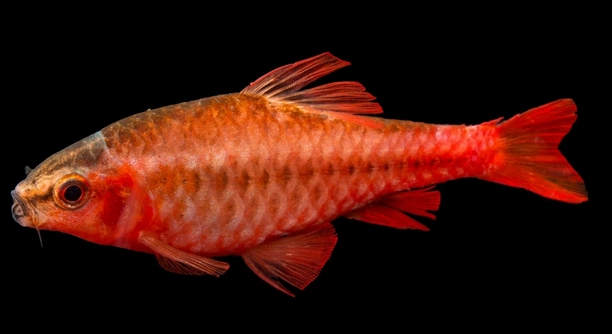
Have you ever watched your cherry barbs swim around and wondered if their behavior means something more than just random motion?
Cherry barbs display subtle social hierarchies, primarily shaped by gender and breeding behaviors. Males tend to be more territorial and assert dominance through coloration and positioning, especially when females are nearby. These dynamics reflect simple yet structured interactions.
From color displays to group behavior, cherry barbs reveal more about their interactions than most aquarists realize at first glance.
What Social Behavior Looks Like in Cherry Barbs
Cherry barbs tend to form loose groups where males often show brighter colors and more active swimming patterns. This isn’t just for show—these behaviors are linked to mild competition, especially when females are nearby. Males will sometimes chase one another or try to stay closer to females. These moments of interaction help establish who is more dominant, but it’s usually subtle. Females, on the other hand, are less aggressive and tend to move calmly through the tank. Their presence can influence how active or bold the males become. This kind of social interaction is common in peaceful community fish but can still show patterns that point to rank and role. While cherry barbs don’t form tightly structured hierarchies like some animals, their behaviors still hint at simple, organized social roles shaped by instinct and environment.
Cherry barbs use color, space, and movement to express roles. It’s subtle but still tells a story.
Their natural behavior can shift depending on tank size, group size, and even the presence of plants or hiding spots. When in a larger group, males may be less aggressive because the attention is spread across more individuals. In smaller groups, the behavior becomes more noticeable. A tank with good cover lets less dominant barbs stay out of the way, reducing stress. When there’s more competition, the dominant male often stays brighter in color and moves confidently, while others will stay slightly faded or keep to quieter parts of the tank. During breeding time, these dynamics become clearer, with males showing off more frequently to get noticed. Providing enough space and balanced male-to-female ratios can keep things peaceful while still allowing their natural behavior to come through. Even in calm tanks, these little displays give insight into their quiet but consistent social structure.
How to Encourage Healthy Group Dynamics
Cherry barbs feel more at ease when kept in groups of six or more, with a good mix of males and females.
Providing a well-planted tank with plenty of room helps reduce unwanted stress and allows natural social behavior to shine. When the environment feels safe, cherry barbs will show brighter colors, swim actively, and engage more naturally with each other. Avoid overcrowding, and always include spots where fish can hide if needed. This gives them space to rest or retreat when things feel too intense. Observing these small interactions is one of the most rewarding parts of keeping cherry barbs. Their subtle social signals might not be loud, but they’re definitely present. When cared for properly, their behavior stays balanced, with just enough display to keep things interesting without tipping into aggression. Watching them interact is a peaceful reminder of how even small fish communicate in quiet, consistent ways.
Signs of Dominance and Submission in Cherry Barbs
Dominant male cherry barbs often display brighter red coloring and swim more boldly across open areas. Submissive males may stay paler, stick to shaded spots, or avoid direct interaction, especially during feeding or mating displays.
In tanks with multiple males, color intensity becomes one of the clearest signals of hierarchy. The most dominant male will often remain vibrant and patrol key spaces like the middle of the tank or near breeding sites. Submissive males may back away when approached, avoiding conflict. These behaviors are gentle but consistent. Physical aggression is rare, but occasional chasing can happen, especially during breeding. This kind of mild interaction keeps the group structured without serious harm. Observing these small cues can help you understand which fish feel secure and which might need more hiding areas or a shift in tank dynamics.
Submission isn’t always obvious, but it plays a big part in how cherry barbs maintain peace. A submissive fish may eat last, swim lower in the tank, or remain in less active zones. These behaviors are natural responses and help the group avoid unnecessary stress. As long as all fish remain healthy and aren’t showing signs of harm, the social structure is usually balanced. When one fish appears too isolated or dull for long periods, it may signal that the hierarchy is affecting their well-being. Adding more plants, hiding places, or even adjusting the group size can ease that tension. Paying attention to small changes in activity, color, and feeding order helps you support healthier interactions in the tank.
How Tank Conditions Influence Social Patterns
Tank conditions play a large role in how cherry barbs interact. Lighting, layout, and even water flow can affect their movement and behavior toward one another.
Bright lighting can sometimes stress out more submissive fish, encouraging them to stay hidden and giving dominant fish more visual space to assert themselves. Lower light and plant cover allow less dominant individuals to feel safer and behave more naturally. Water movement also influences territory—stronger currents may attract bolder fish while quieter areas provide shelter for shy ones. The structure of the tank sets the tone for their interactions. If the tank is too open, less confident fish may struggle to find comfort. But a setup with balanced space, vegetation, and soft lighting can allow each fish to establish its preferred area. This reduces tension and supports the subtle yet important roles each barb plays within its group. The right environment makes all the difference.
Group Size and Gender Balance
Keeping cherry barbs in groups of six or more helps reduce stress and encourages more natural behavior. A mix of males and females keeps one fish from becoming overly dominant and helps spread attention more evenly.
When there are too many males, competition increases, and you may see more chasing and stress. A balanced ratio leads to calmer interactions.
Breeding Behavior and Temporary Hierarchies
During breeding periods, temporary shifts in hierarchy often appear. Males become more active and display richer color to attract females. They may chase each other more frequently and guard certain spots in the tank. These behaviors are usually short-lived and fade after the breeding period ends. Females may become slightly more withdrawn or selective in where they swim, especially if approached too often. It’s helpful to provide extra hiding spaces during this time. Once the breeding activity slows down, social roles usually return to their calmer patterns. These temporary changes show how flexible cherry barb social dynamics can be when influenced by natural cycles.
When to Intervene in Tank Dynamics
If one fish is constantly hiding, losing color, or missing meals, it may need support. Rearranging plants or adjusting the group can help balance things.
FAQ
Do cherry barbs get aggressive with each other?
Cherry barbs are considered peaceful, but mild aggression can happen, especially among males. This usually shows up during feeding or breeding times. You may see some chasing or posturing, but it rarely leads to harm. These behaviors are more about showing off or claiming space. If aggression seems constant or one fish is always hiding, that’s a sign the tank setup or group balance might need adjusting. Adding more hiding spots, breaking line of sight with plants, or increasing the group size can ease tension and create a calmer space for everyone.
How can I tell if a cherry barb is dominant?
A dominant cherry barb often has brighter coloring and stays in the most open or central areas of the tank. It may be the first to feed or the one to chase others away from a chosen spot. These fish also tend to swim more confidently. In contrast, submissive fish may hover near plants, wait to eat, or avoid contact. Dominance isn’t harmful when it’s balanced, but it can become a problem if one fish appears stressed, loses color, or becomes overly withdrawn. Monitoring their daily habits helps you catch these signs early.
Can tank decorations affect social behavior?
Yes, decorations make a big difference. When a tank has lots of open space and not enough hiding areas, submissive fish have fewer places to rest safely. This can increase stress and exaggerate hierarchy behaviors. Plants, rocks, and driftwood help divide up the space and give every fish a zone of comfort. Even small additions like floating plants can soften the lighting and create calmer zones. Changing the layout from time to time can also disrupt any one fish from “owning” a territory for too long, helping restore balance in the group.
Should I worry if one cherry barb is always hiding?
If a cherry barb hides occasionally, that’s normal. But if it’s always tucked away, shows dull coloring, or skips meals, it may be under social pressure. It could be reacting to another fish’s dominance or to a stressful environment. Try rearranging the tank layout or checking your male-to-female ratio. Adding a few more barbs can also help shift the focus away from one individual. If nothing improves, monitor water quality and watch for signs of illness. Sometimes what looks like stress is actually a health issue needing attention.
Do cherry barbs form pairs or small groups within the school?
They can. While cherry barbs prefer to stay in groups, you might notice certain fish swimming together more often. This could be a sign of pair bonding, especially during breeding times, or simply a comfort-based choice. Subgroups within the school aren’t always permanent but are common in tanks with enough space. Watching how fish move and interact across a few days gives you a better idea of these smaller patterns. As long as no one’s left out or being picked on, small pairings or buddy groups are nothing to worry about.
How do I create a tank that supports healthy social behavior?
Start with a group of at least six cherry barbs, ideally with more females than males. Add live plants, a mix of open and shaded areas, and structures to create zones throughout the tank. Keep the lighting soft and avoid bright, harsh lights. Maintain consistent water quality and temperature. A stable environment helps every fish feel more secure. Feeding them at regular times also creates predictability, reducing stress. When your tank feels calm, your barbs are more likely to settle into gentle social roles without anyone being pushed out or left behind.
Can cherry barbs live peacefully with other species?
Yes, they usually get along well with other peaceful community fish. Good tank mates include rasboras, small tetras, and bottom-dwellers like corydoras. Avoid pairing them with aggressive or very active fish that may crowd or chase them. Cherry barbs aren’t shy, but they do prefer a calm pace. When choosing tank mates, match their size and temperament to keep the tank peaceful. Watch new additions closely at first to make sure the group adjusts well. A well-matched mix can help everyone thrive, showing their best colors and behaviors without added stress.
Final Thoughts
Cherry barbs are peaceful, active fish that do well in community tanks, but they still show a sense of social structure. Their social behaviors can be seen through small signs like chasing, guarding spaces, or swimming in certain parts of the tank. These behaviors are natural and usually not harmful when the environment supports them. A group of cherry barbs will often settle into their own rhythm, with some fish taking the lead more than others. This type of natural balance is a sign that the group is healthy and adjusting well to its space.
To keep your cherry barbs comfortable, it’s important to give them a setup that allows for both social interaction and personal space. Live plants, driftwood, and other decorations help create hiding spots and visual barriers, which reduce stress and allow all fish to find their place in the tank. A good mix of males and females, along with a group of at least six, helps lower the chance of one fish becoming too dominant. A balanced setup supports better group dynamics and encourages natural behaviors, including schooling, feeding, and breeding activity.
Observing how your cherry barbs interact gives helpful insight into their overall well-being. If you notice any changes—like one fish hiding too often, dull coloring, or increased chasing—it may be time to adjust the setup. Sometimes the solution is simple, like rearranging plants or adding more fish to the group. Cherry barbs don’t need constant attention, but regular check-ins can help you catch early signs of stress or imbalance. Keeping a calm, steady environment with clean water and stable conditions is the best way to support their health and social behavior. With the right care, cherry barbs can show a wide range of natural habits that are both easy to manage and rewarding to watch.

Hello,
If you enjoy the content that we create, please consider saying a "Thank You!" by leaving a tip.
Every little bit helps us continue crafting quality advice that supports the health, happiness, and well-being of pets around the world, for pets of all shapes, sizes, and species.
We really appreciate the kindness and support that you show us!