
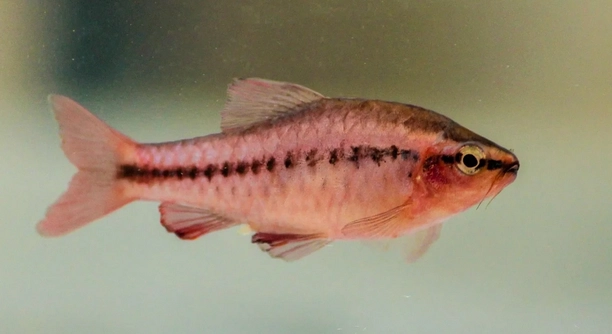
Cherry barbs are a popular choice for aquariums, known for their vibrant colors and active nature. However, sometimes they can be shy or territorial, making it harder to enjoy their social behavior. This article offers simple tips to help.
To make cherry barbs more social, it’s essential to create an environment that encourages interaction and reduces stress. Providing plenty of hiding spaces, keeping water conditions stable, and maintaining a proper group size can help them feel secure and comfortable around each other.
These easy steps will make a noticeable difference in your cherry barbs’ social behavior. Following them ensures that your fish are happier, healthier, and more active in their tank.
Create a Proper Group Size
Cherry barbs are naturally social fish, but their behavior can be influenced by the number of fish in the tank. Keeping them in small groups of at least 5 to 6 individuals can help promote better interaction and reduce stress. A group that is too small may cause some individuals to become more territorial or shy, leading to a lack of socializing.
If you keep just one or two cherry barbs, they may feel insecure and spend more time hiding. Adding more of their kind allows them to engage in natural schooling behavior, making them feel safer. This will encourage the entire group to interact more freely, leading to a more active and social display in your tank. You don’t need a huge tank to do this either; a medium-sized aquarium can comfortably house a small group of cherry barbs.
Another benefit of having a larger group is that cherry barbs feel less competitive for food and space. This can reduce the aggression that sometimes arises between them, making it easier for all of them to coexist peacefully. When they have more room to explore and play, their social behaviors will thrive.
Provide Plenty of Hiding Spaces
Adding plants, rocks, and decorations can create a more comfortable environment.
Cherry barbs are more likely to socialize if they feel secure in their surroundings. A tank with lots of plants and hiding spots gives them a place to retreat when they need a break. It’s important, however, to make sure these hiding places aren’t too isolated. Fish are social creatures and will want to be able to interact with one another, so make sure there’s enough open space for them to explore together. Having hiding spots around the tank also ensures they don’t feel constantly exposed, which could otherwise lead to anxiety.
Also, try to arrange the tank so that the hiding spaces are spread out, allowing fish to come and go without feeling cornered. This can help them build confidence and interact more comfortably with each other. The more comfortable they feel, the more likely they will be to swim and socialize in the open areas of the tank.
Maintain Stable Water Conditions
Stable water conditions are key to keeping cherry barbs healthy and social. Temperature, pH, and water hardness should be consistent, as sudden changes can cause stress. Use a reliable heater and filter to maintain these conditions, and regularly check water parameters to ensure everything stays balanced.
Cherry barbs prefer slightly acidic to neutral water (pH 6.5–7.5) and a temperature range between 72°F and 80°F. Keeping the water clean and well-filtered helps maintain these conditions. Water changes should be done regularly, but avoid making them too frequent or too large. This ensures that the fish remain comfortable and won’t become stressed from fluctuating water quality.
A stable environment encourages natural behavior in cherry barbs. When they’re less stressed, they feel safer to interact with other fish in the tank. If the water conditions are poor, they may retreat to hiding spots or stop interacting altogether, so maintaining good water quality is essential to their social behavior.
Feed a Balanced Diet
Providing a balanced and varied diet encourages good health and can also improve social behavior in cherry barbs. They are omnivores and enjoy a mix of plant-based and protein-rich foods. Feeding them a variety of foods keeps them active and engaged.
A diet that includes high-quality flakes, pellets, and occasional live or frozen foods, such as brine shrimp or daphnia, will ensure they get the nutrients they need. A healthy, well-fed fish is more likely to socialize, swim actively, and display their natural behavior. Overfeeding should be avoided, as it can lead to poor water quality and health issues.
Proper nutrition plays a key role in their social behavior. When cherry barbs are hungry, they may become more competitive with each other, which can lead to aggression or shyness. By feeding them regularly but in moderation, you can encourage them to stay active and maintain their social nature without stress.
Avoid Overcrowding
Overcrowding can lead to territorial disputes and stress among cherry barbs. While they do enjoy being in groups, there’s a limit to how many can thrive in a tank. Ensure there’s enough space for each fish to swim freely and comfortably.
The general rule is about 1 inch of fish per gallon, though this can vary depending on your setup. Too many fish in a small tank can lead to poor water quality, aggression, and a lack of space to swim. Providing enough room for everyone will ensure a happier, more social environment for your cherry barbs.
Use Tankmates Wisely
Choosing the right tankmates can impact how cherry barbs behave around each other. These fish are peaceful and get along with other calm species, but aggressive fish can disrupt their social interactions.
When selecting tankmates, avoid large or territorial species that might intimidate cherry barbs. Smaller, peaceful species like tetras or rasboras work well in a tank with cherry barbs. This allows your fish to feel secure enough to engage with each other without the threat of aggression. The more harmonious the community, the more likely they are to interact socially.
Keep a Consistent Lighting Schedule
Proper lighting can influence the activity level of cherry barbs. A consistent light cycle helps regulate their daily routine, which can promote more natural social behavior.
By simulating day and night cycles, you help your fish feel secure and active. Avoid harsh, bright lighting as it can stress the fish, making them less likely to socialize. A gentle light cycle mimics natural conditions and encourages your cherry barbs to swim together and interact in a more relaxed environment.
FAQ
How many cherry barbs should I keep together?
Cherry barbs should be kept in groups of at least 5 to 6 individuals. This helps reduce stress and allows them to engage in natural schooling behavior. Keeping them in small groups can cause some to feel insecure or territorial, which may limit their social interaction. A larger group allows the fish to swim together comfortably and encourages more social behavior in the tank.
Can cherry barbs live with other fish?
Yes, cherry barbs can live with other peaceful fish, but it’s important to choose tankmates wisely. They generally do well with species that aren’t aggressive or overly territorial, such as tetras or rasboras. Avoid larger, more aggressive fish that may intimidate them. When tankmates are carefully chosen, cherry barbs will interact peacefully with others, fostering a calm and social environment.
What size tank do cherry barbs need?
Cherry barbs don’t require an excessively large tank, but they do need enough space to move around comfortably. A tank of at least 20 gallons is ideal for a small group of cherry barbs. This gives them room to swim, find hiding spots, and avoid overcrowding. A larger tank allows for a more stable environment, which contributes to their overall happiness and social behavior.
What is the best water temperature for cherry barbs?
Cherry barbs prefer a temperature range of 72°F to 80°F. Keeping the water within this range helps maintain their health and encourages natural behavior. Sudden fluctuations in temperature can cause stress, so it’s important to use a reliable heater and monitor water conditions regularly. This ensures they remain comfortable and active in their environment.
What should I feed cherry barbs?
Cherry barbs are omnivores, so a balanced diet is essential. They enjoy high-quality flakes or pellets, along with occasional live or frozen foods like brine shrimp, daphnia, or bloodworms. Providing a varied diet helps keep them healthy and active. Avoid overfeeding, as excess food can lead to water quality issues and stress. Feeding them in moderation will promote social behavior by keeping them active and healthy.
Are cherry barbs aggressive?
Cherry barbs are generally peaceful and non-aggressive, making them suitable for community tanks. However, they may exhibit some territorial behavior if they feel stressed or overcrowded. Ensuring that they have enough space and a proper group size can help prevent this. If kept in a well-maintained tank with compatible tankmates, they will remain calm and social.
Can cherry barbs live in soft or hard water?
Cherry barbs can adapt to a wide range of water hardness, from soft to moderately hard water. However, they thrive in slightly acidic to neutral water with a pH between 6.5 and 7.5. Maintaining stable water conditions, including pH, hardness, and temperature, will help them feel comfortable and encourage social behavior.
How often should I do water changes for cherry barbs?
Water changes should be done regularly to maintain a clean and stable environment for cherry barbs. A good rule of thumb is to change about 25-30% of the water every 2 weeks. This helps remove excess waste, maintain proper water chemistry, and keep the fish healthy. Over time, you’ll find the right balance to keep the water quality optimal without stressing the fish.
Do cherry barbs need a filter?
Yes, cherry barbs need a filter to help maintain clean and stable water conditions. A filter helps remove debris, excess food, and waste, keeping the water clear and healthy. It also promotes oxygen exchange in the tank, which is essential for their well-being. Choose a filter that’s appropriate for the size of your tank to prevent water flow that’s too strong, which could stress the fish.
Why are my cherry barbs hiding all the time?
If your cherry barbs are hiding frequently, it may be due to stress, poor water quality, or incompatible tankmates. Ensure the tank conditions are stable and there are enough hiding spots for them to feel secure. Overcrowding or aggressive tankmates can also cause them to hide more often. A peaceful environment with proper care can help them feel safe enough to be more social.
Final Thoughts
Creating a social environment for your cherry barbs requires a bit of attention to their needs, but it’s not difficult. By focusing on the right group size, stable water conditions, and proper tankmates, you can encourage these colorful fish to interact with each other and their environment. Cherry barbs thrive when they feel secure and comfortable in their tank, which will lead to them being more active and social. With a bit of care, your cherry barbs will show their natural behaviors, offering enjoyment to any aquarium enthusiast.
It’s important to remember that each fish has its own personality, and some may be naturally shyer than others. While some cherry barbs will quickly adapt to their tankmates and surroundings, others might take a little more time to adjust. Ensuring they have plenty of space, hiding spots, and a peaceful environment is key to fostering this change. Providing a balanced diet and a stable tank setup will also improve their chances of thriving socially. Your patience will eventually pay off as you witness them swimming and interacting with each other.
Maintaining your cherry barbs’ social behaviors isn’t a one-time task; it’s about creating a consistent and supportive environment. Regularly checking water conditions, keeping the tank clean, and monitoring their health will go a long way in ensuring they stay happy and social. With the right care and attention, cherry barbs can become a lively, peaceful addition to your aquarium, always ready to interact with one another and enjoy their space together.

Hello,
If you enjoy the content that we create, please consider saying a "Thank You!" by leaving a tip.
Every little bit helps us continue crafting quality advice that supports the health, happiness, and well-being of pets around the world, for pets of all shapes, sizes, and species.
We really appreciate the kindness and support that you show us!