
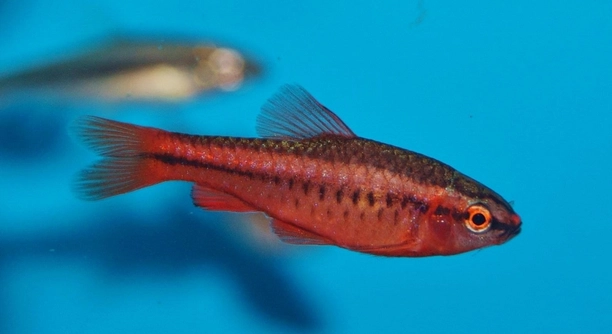
Cherry barbs are known for their peaceful nature, making them a popular choice in community aquariums. However, understanding how they interact with new fish can help ensure a harmonious environment in your tank.
When introducing new fish to your tank, cherry barbs generally show curiosity without aggression. They may display mild territorial behavior, but they rarely pose a threat to new fish. Providing adequate space helps reduce stress and aggression.
Knowing how cherry barbs interact with new fish can help you create a balanced and calm environment in your aquarium.
Cherry Barbs and Their Natural Behavior in a Tank
Cherry barbs are known for their peaceful demeanor, but they are also curious by nature. When introducing new fish to the tank, cherry barbs often approach them with interest, sizing them up and occasionally nipping at their fins. However, this is typically a mild interaction. They do not pose a serious threat to new fish but can display territorial behaviors if the tank is overcrowded or the new fish are too similar in size and appearance. Providing plenty of hiding spots and maintaining a well-balanced tank environment can minimize potential conflicts.
When cherry barbs are introduced to new fish, it’s essential to monitor their interactions closely, especially during the first few days. They are more likely to be curious rather than aggressive, but the presence of hiding spots for all tank members can prevent stress.
Cherry barbs can coexist with many species of fish, particularly those that are similarly peaceful and non-territorial. It is important to avoid pairing them with aggressive fish, as they are not equipped to defend themselves. Ensuring that all fish have their own space and resources, such as hiding places and feeding areas, can help reduce stress. Cherry barbs are often seen as excellent tank mates due to their calm nature, but observing their behavior after introducing new fish will help you gauge the compatibility of your tank’s community.
Tips for a Peaceful Aquarium with Cherry Barbs
One of the best ways to encourage peaceful interactions is to provide plenty of space in your tank.
The key to successful cohabitation in a tank with cherry barbs lies in creating a balanced environment. Ensure that the new fish introduced are similarly calm and do not trigger territorial responses. Overcrowding the tank can increase aggression, even among peaceful species. By maintaining good filtration, offering plants or decorations that provide hiding spaces, and ensuring that all fish are well-fed, you can help prevent any unwanted conflicts. Cherry barbs will thrive in a tank that mimics their natural habitat, complete with plants and other fish that are not overly territorial. It’s essential to introduce new fish gradually, so they can adjust to their surroundings and develop a sense of security.
Cherry Barbs and Tank Size
A larger tank gives cherry barbs plenty of space to swim and reduces territorial disputes. With more space, they feel less stressed and are less likely to display aggressive behavior.
When considering tank size for cherry barbs, aim for at least a 20-gallon aquarium if you plan to keep multiple fish. This allows the cherry barbs to swim freely, reducing stress. It also ensures that new fish have adequate room to settle in without feeling cornered. A crowded tank leads to competition for resources, increasing the chances of aggression from cherry barbs.
Adding plants and decorations to a larger tank not only provides hiding spots but also gives cherry barbs more places to explore. By creating a natural habitat within the tank, you promote peaceful behavior, as fish are less likely to feel threatened. This also makes the tank more visually appealing while supporting the overall well-being of your fish.
The Role of Water Conditions
Stable water conditions are vital for cherry barbs. They thrive in slightly acidic to neutral water with stable temperature ranges.
Cherry barbs are sensitive to changes in water quality, particularly in terms of temperature and pH. Sudden fluctuations can lead to stress, making them more prone to aggression and illness. Keep the water temperature between 74-79°F (23-26°C) and the pH level within the 6.0-7.5 range for optimal health. Regular water changes also help maintain a balanced environment.
Testing the water quality regularly ensures that the cherry barbs and other tank inhabitants stay healthy. Proper filtration will help remove toxins and keep the water clean. Ensuring consistent conditions makes the tank feel like home for your fish and reduces unnecessary stress that could cause conflicts.
Feeding Cherry Barbs with New Fish
Feeding cherry barbs and new fish at the same time can prevent competition for food. Ensure all fish have access to their share.
When introducing new fish, it’s important to ensure they’re all fed properly without overcrowding or competing for resources. Consider feeding at different times or using different types of food to avoid aggressive behavior during mealtime. This helps reduce the likelihood of cherry barbs becoming territorial or possessive over food.
To encourage peaceful eating, distribute food across the tank. This way, all fish can access food and avoid confrontation. Feeding in different areas can also mimic natural behaviors and reduce stress.
Cherry Barbs and Their Social Nature
Cherry barbs are social fish that enjoy the company of others. However, they can be selective about their tank mates.
While cherry barbs thrive in groups, they may feel stressed in a tank with overly aggressive or dominant fish. It’s important to pair them with peaceful species, as they tend to avoid confrontation. A harmonious environment encourages cherry barbs to display their natural peaceful behavior.
If you introduce a new fish, monitor interactions closely to ensure there are no signs of aggression. Adding a few more cherry barbs to the group may help reduce stress. A balanced social structure in the tank encourages more relaxed behavior among all fish.
Cherry Barbs and Water Flow
Cherry barbs prefer a gentle water flow, which helps them feel secure and calm. Too much current can increase stress levels.
Avoid strong water filters or high current areas in the tank where cherry barbs may struggle to swim. A gentle current promotes better swimming behavior and encourages cherry barbs to interact more calmly with their tank mates. It also prevents stress-related aggression.
FAQ
How can I tell if my cherry barbs are stressed?
Stressed cherry barbs exhibit changes in behavior. They may hide more than usual, swim erratically, or show signs of lethargy. Their colors might fade, and they could become more aggressive toward other fish. If you notice any of these signs, it’s important to assess water conditions, tank mates, and environmental factors that may be contributing to their stress.
Do cherry barbs need to be kept in groups?
Yes, cherry barbs are social fish and do best in groups of at least six. Keeping them in a group helps reduce stress and promotes natural behaviors. When kept alone or in smaller groups, they may become more territorial or shy. A larger group provides comfort, stability, and reduces the chances of aggression among themselves.
Can cherry barbs live with other species?
Cherry barbs can live peacefully with many species, as long as the other fish are non-aggressive and not too large. Peaceful community fish such as tetras, rasboras, and small catfish are ideal companions. Avoid keeping them with fin-nipping or territorial fish, as this can cause stress and aggressive interactions.
How often should I feed my cherry barbs?
Feed cherry barbs once or twice a day, providing only as much food as they can consume in a few minutes. Overfeeding can lead to water quality issues, while underfeeding can cause malnutrition. It’s best to offer a balanced diet, including high-quality flakes, pellets, and occasional live or frozen food for variety.
What is the ideal water temperature for cherry barbs?
Cherry barbs thrive in temperatures ranging from 74°F to 79°F (23°C to 26°C). Maintaining a stable water temperature within this range helps them feel secure and comfortable, reducing the chances of stress. Ensure your aquarium heater is set appropriately to prevent fluctuations in water temperature.
What pH level do cherry barbs prefer?
Cherry barbs prefer a pH level between 6.0 and 7.5. Stable pH is essential for their well-being. Dramatic swings in pH can lead to stress and illness. Regular testing and adjustments to the water chemistry can help maintain the ideal environment for them.
How long do cherry barbs live?
On average, cherry barbs live for about 3 to 5 years, although with proper care, some can live longer. Their lifespan depends on factors such as water quality, tank mates, and overall tank conditions. Keeping a stable environment will help them thrive and reach their full potential.
Why are my cherry barbs hiding all the time?
If your cherry barbs are hiding frequently, it may be due to stress, poor water conditions, or the presence of aggressive tank mates. Ensure that the tank has enough hiding spots, like plants and decorations, and check the water parameters to make sure they are within the optimal range.
Can cherry barbs breed in a community tank?
Breeding cherry barbs in a community tank can be challenging but is possible. If you want to breed them, you’ll need to create ideal conditions for spawning, such as slightly warmer water and carefully monitoring their behavior. However, since cherry barbs are small and gentle, the eggs and fry might get eaten by other fish in a mixed tank.
How do cherry barbs behave around new fish?
Cherry barbs are generally non-aggressive and curious when introduced to new fish. They may approach the new fish to inspect them but typically don’t show overt aggression. However, if they feel threatened or stressed, they may become more territorial. Offering plenty of space and hiding spots can help minimize tension.
What size tank do cherry barbs need?
Cherry barbs require a minimum tank size of 20 gallons, especially if you’re keeping more than one. A larger tank provides enough space for them to swim freely, reducing stress and preventing territorial disputes. The more space you provide, the better the chances of maintaining a peaceful tank environment.
How do I know if my cherry barbs are healthy?
Healthy cherry barbs are active, have vibrant colors, and swim smoothly through the tank. They should be eating regularly, and their fins should be fully extended, not clamped. If you notice abnormal behavior, faded colors, or changes in appetite, check water quality and tank conditions.
What is the best substrate for cherry barbs?
Cherry barbs are not very particular about substrate. They can thrive with gravel, sand, or planted substrates. However, a soft, smooth substrate is ideal to avoid injuring their delicate fins. If you add plants, make sure the substrate supports their roots and is easy to clean.
Are cherry barbs easy to care for?
Cherry barbs are generally considered easy to care for. They are hardy fish that adapt well to a variety of tank conditions, as long as they are kept in stable water parameters and with peaceful tank mates. Regular maintenance, such as water changes and monitoring water quality, ensures they remain healthy.
Can cherry barbs live with shrimp?
Yes, cherry barbs can live with shrimp, such as ghost shrimp or Amano shrimp, as long as the shrimp are not small enough to be seen as food. Cherry barbs generally leave shrimp alone, but they may chase or nibble at them if food is involved. Ensure there are plenty of hiding places for shrimp to retreat to if needed.
Do cherry barbs need a filter?
Yes, a filter is essential for cherry barbs. It helps maintain water quality by removing waste, excess food, and toxins. A good filter ensures the water stays clean and oxygenated, which is vital for the health of all fish, including cherry barbs. Ensure the filter is not too powerful, as cherry barbs prefer calm water.
Final Thoughts
Cherry barbs are peaceful, social fish that can thrive in a community tank when their needs are met. They are not difficult to care for, but they do require a stable environment to feel comfortable and healthy. Maintaining the right water temperature, pH levels, and ensuring a peaceful tank with compatible fish will help prevent stress and encourage positive interactions. While cherry barbs are known for their calm nature, they can become stressed in poorly maintained tanks or when kept with overly aggressive species.
The most important factors to consider when keeping cherry barbs are water quality and tank conditions. Regular water changes, proper filtration, and monitoring the tank’s temperature and pH are crucial for keeping them healthy. Additionally, feeding them a balanced diet and ensuring they have enough space to swim and explore will contribute to their overall well-being. When introducing new fish, it’s essential to keep an eye on the dynamics of the tank to ensure the cherry barbs are not overwhelmed or harassed.
Overall, cherry barbs are an excellent choice for beginners and experienced aquarists alike. Their peaceful temperament, small size, and vibrant colors make them an attractive addition to any aquarium. With the right care and attention, they can live for several years, creating a peaceful and colorful environment in your tank. By choosing compatible tank mates and maintaining proper water conditions, you can enjoy observing the gentle nature of these lovely fish as they interact with their environment and fellow tank residents.

Hello,
If you enjoy the content that we create, please consider saying a "Thank You!" by leaving a tip.
Every little bit helps us continue crafting quality advice that supports the health, happiness, and well-being of pets around the world, for pets of all shapes, sizes, and species.
We really appreciate the kindness and support that you show us!