
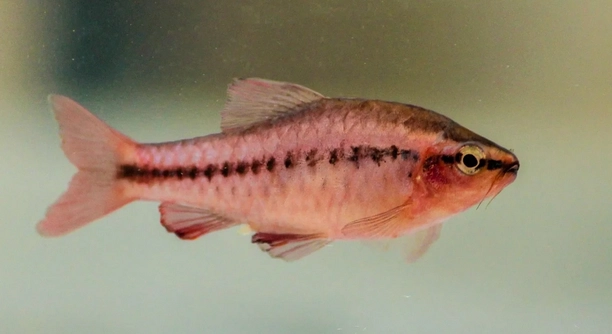
Cherry barbs are vibrant fish, often chosen for their stunning colors and playful nature. However, conditioning them for spawning can be a bit tricky. Understanding the right approach can make a big difference in their breeding success.
Conditioning cherry barbs for spawning requires the right environment, diet, and water conditions. Ensuring proper water temperature, a nutritious diet, and a peaceful habitat will trigger their natural breeding instincts, leading to successful spawning.
By following a few simple steps, you can create the ideal conditions for your cherry barbs. Proper preparation is key to a successful breeding process.
The Importance of Water Quality
Water quality is a key factor when conditioning cherry barbs for spawning. These fish thrive in clean, stable environments. The water temperature should be kept between 75°F and 80°F to encourage breeding behavior. Regular water changes are essential, as they help to maintain a healthy environment. Cherry barbs also prefer slightly acidic to neutral water, with a pH of 6.5 to 7.5. Ensuring that ammonia, nitrites, and nitrates are at safe levels is also vital for their well-being. Poor water quality can stress the fish and hinder their ability to spawn.
A good filtration system can help maintain these conditions, but it’s also important to perform manual water changes regularly. A stable and clean environment will reduce stress and support your fish during the breeding process.
In addition to keeping water clean, consider adding live plants to the aquarium. They provide hiding spots, reduce stress, and create a more natural setting, which encourages cherry barbs to breed. They will also help improve the water quality over time.
Proper Diet for Cherry Barbs
Feeding cherry barbs the right diet is crucial for preparing them to spawn.
A balanced diet with a variety of foods, including high-quality flakes, frozen or live foods like brine shrimp or daphnia, can enhance their breeding readiness. Providing a mix of protein and plant matter will ensure they get the nutrients they need to reach their full potential.
Creating a Breeding Tank
Setting up a breeding tank is essential for successful spawning. The tank should be separate from the main aquarium to avoid distractions and stress from other fish. A 10-gallon tank is ideal for breeding cherry barbs. Ensure the tank is lightly planted, with some floating plants to give the fish cover.
Adding a sponge filter will keep the water clean without disturbing the fry once hatched. You can also use a breeding mat or mesh at the bottom to help catch the eggs. Keep the tank’s water conditions similar to the main aquarium but ensure it’s slightly warmer, around 78°F.
The breeding tank should be as stress-free as possible. Remove any aggressive fish or other species that might disturb the cherry barbs. Limit the number of fish in the tank to avoid overcrowding. Once the fish are comfortable, they will focus on mating and egg-laying.
Timing and Light Control
Light control plays a role in breeding cherry barbs.
A light cycle of about 12 hours of light followed by 12 hours of darkness mimics the natural day-night rhythm, helping to regulate their breeding cycle. Consistency in light exposure is important to avoid stressing the fish, as erratic lighting can disrupt their biological clocks.
To prepare your cherry barbs for spawning, try using gentle light. A soft light mimics dawn and dusk, signaling the right time for breeding. Keeping the aquarium in a quiet area with limited disturbances also aids in their readiness. Ensuring they have a stable, calm environment is key.
Inducing Spawning Behavior
To trigger spawning, you can slightly adjust the water temperature. Raising the temperature by a few degrees, around 80°F, mimics the beginning of the breeding season. This small change can encourage your cherry barbs to start displaying mating behaviors.
You can also perform water changes with cooler, slightly aged water to simulate rainfall. This will stimulate their natural urge to spawn. Cherry barbs are sensitive to environmental cues, and mimicking seasonal changes can help trigger their breeding process. Be patient, as it may take a few days for them to show interest in spawning.
Monitoring Eggs and Fry
Once spawning begins, the female will lay eggs, usually on plants or surfaces.
After fertilization, the eggs will hatch within 24 to 48 hours, depending on the water temperature. Be sure to remove the adults once the eggs are laid to prevent them from eating the fry. Fry are small and fragile, so ensure the water is calm and without strong currents.
Raising Fry Safely
After the fry hatch, provide them with appropriate food.
Newly hatched brine shrimp or infusoria are great options for feeding baby cherry barbs. Ensure the food is small enough for them to consume. Keeping the tank clean and feeding the fry multiple times a day will help them grow healthy.
FAQ
How long does it take for cherry barbs to spawn?
The time it takes for cherry barbs to spawn depends on the conditions you provide. Once you’ve conditioned them with the right water temperature, diet, and environment, spawning can occur within a few days to a week. The fish typically need some time to adjust to the breeding setup before they become active in spawning behavior. Keeping the water at 80°F and providing a stress-free environment will help speed up the process. After the initial mating behavior begins, eggs are usually laid within hours.
What do I do if my cherry barbs aren’t spawning?
If your cherry barbs are not spawning, check the water conditions first. They require clean water with stable temperature and pH levels. Ensure your tank is at 78-80°F and has slightly acidic to neutral water (pH 6.5 to 7.5). Try changing the water temperature by a few degrees or simulating a rainy season by adding cooler water. Also, make sure the tank has plenty of hiding places like plants or breeding mats. A lack of hiding spots can discourage breeding, as they prefer a safe environment to spawn.
Do I need both male and female cherry barbs to spawn?
Yes, you need both a male and a female cherry barb for successful spawning. The males are usually more colorful and actively chase the females during mating rituals. When selecting cherry barbs for breeding, ensure that there are at least one male for every two or three females. This encourages natural breeding behavior and helps reduce stress on the female, as she has more options for mates. Without a proper male-to-female ratio, spawning may not occur.
How can I tell if my cherry barbs are ready to spawn?
Female cherry barbs are typically plumper and rounder when they are ready to spawn, as they carry eggs. The males, on the other hand, will show more vivid colors, especially during courtship. Males often chase the females around the tank, displaying their bright red coloration to attract their attention. If you notice this behavior and see that the female appears swollen, it’s a sign that she is ready to lay eggs. It’s important to provide the right environment to encourage their natural breeding instincts.
Should I remove the male cherry barb after spawning?
Yes, after spawning, it’s best to remove the male cherry barb from the breeding tank. Males are often more aggressive after spawning and may attempt to chase or stress out the females. Furthermore, the males may try to eat the eggs, which can prevent successful hatching. By removing the male, you give the female and the eggs a safer environment to develop and hatch. After the eggs hatch, you can return the male if desired, but only after ensuring the fry are strong enough to survive.
How can I care for the fry after they hatch?
Once the fry have hatched, it’s crucial to maintain a calm, clean tank. The water should be kept at a temperature of 78-80°F to support healthy growth. Feed the fry with small, nutritious food such as newly hatched brine shrimp or infusoria. As they grow, you can introduce finely crushed flakes. Be sure to clean the tank regularly, removing any uneaten food and debris. The fry are fragile, so maintaining good water quality is essential to prevent disease and ensure healthy development.
Can I keep the fry with adult cherry barbs?
It’s not advisable to keep the fry with adult cherry barbs, as the adults may eat them. Even if you remove the adults after spawning, it’s a good idea to wait until the fry are a bit larger before introducing them to the main tank. This will help them avoid being eaten and give them time to grow strong. You can keep the fry in a separate nursery tank with gentle filtration until they are large enough to safely join the adult fish.
What should I feed my cherry barbs to help them spawn?
To condition your cherry barbs for spawning, offer them a nutritious diet. A mix of high-quality flakes and frozen or live foods like brine shrimp, daphnia, and bloodworms will provide essential proteins and nutrients. These foods are particularly important for females, as they help develop eggs. Males also benefit from a diet rich in protein, which encourages vibrant coloration and active behavior. Feeding your cherry barbs a varied diet will keep them healthy and ready for breeding.
How do I know if the eggs have been fertilized?
After spawning, fertilized eggs are usually clear or slightly translucent, while unfertilized eggs often appear white. It can be difficult to tell if all eggs have been fertilized, but over time, you should notice some eggs developing. If the eggs start to become cloudy, they are likely unfertilized and should be removed to prevent mold growth. Generally, fertilized eggs will hatch within 24-48 hours, and you’ll begin to see tiny fry swimming around the tank.
Can I use artificial breeding methods for cherry barbs?
While natural breeding methods are preferred, you can try artificial breeding methods if necessary. Artificial breeding involves removing the eggs manually and placing them in a separate tank to hatch. However, this method can be tricky and may cause stress for the fish. It’s usually best to let the cherry barbs breed naturally in a controlled, peaceful environment. If you do opt for artificial methods, ensure the eggs are handled gently, and water conditions in the hatching tank are optimal.
How can I ensure the health of the fry?
Ensuring the health of the fry involves maintaining optimal water conditions, providing the right food, and minimizing stress. Keep the fry tank free from strong currents, which can make it difficult for them to swim. Regularly check the water parameters to make sure they’re within the ideal range for cherry barb fry. Keep the tank clean by doing small, regular water changes and removing any uneaten food. As the fry grow, gradually increase the size of their food to support healthy development.
Final Thoughts
Conditioning cherry barbs for spawning requires a balance of the right environment, diet, and water conditions. By adjusting the water temperature slightly, providing clean water, and maintaining a consistent light cycle, you can encourage your cherry barbs to breed. The right diet is also crucial—make sure they have a varied selection of food that includes both protein and plant matter. This will not only keep them healthy but also prepare them for successful spawning.
Setting up a dedicated breeding tank for your cherry barbs can also improve your chances of success. Keeping them in a separate tank will allow them to focus on spawning without the stress of other tank mates. Ensure the tank has plenty of hiding spots, like plants, and that the water quality is carefully monitored. A sponge filter can help keep the water clean without disturbing the eggs or fry. By maintaining a stress-free, stable environment, you give your cherry barbs the best chance to breed.
Remember, patience is key. It may take time for your fish to start spawning, and they may not always do so on the first attempt. If they don’t spawn right away, try adjusting the water conditions slightly or changing the lighting to simulate seasonal changes. With the right care and attention, your cherry barbs will eventually breed, and you’ll be able to enjoy watching the tiny fry grow. It’s a rewarding process that requires some effort but is ultimately very fulfilling.

Hello,
If you enjoy the content that we create, please consider saying a "Thank You!" by leaving a tip.
Every little bit helps us continue crafting quality advice that supports the health, happiness, and well-being of pets around the world, for pets of all shapes, sizes, and species.
We really appreciate the kindness and support that you show us!