
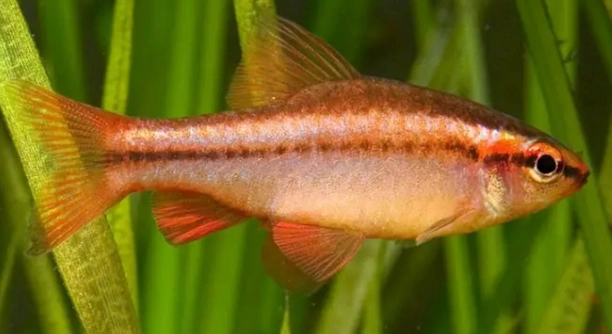
Cherry barbs are a popular freshwater fish known for their vibrant colors and active nature. Many aquarium owners enjoy keeping them in a peaceful community setup. However, some might wonder if these beautiful fish can live in brackish water.
Cherry barbs are primarily freshwater fish and do not thrive in brackish water. While they can tolerate very mild salinity, prolonged exposure to brackish conditions can lead to health issues, as they are not adapted to such environments.
Understanding the limits of their habitat is important for maintaining healthy cherry barbs in your aquarium. This will help you avoid unnecessary stress and ensure they live a long and happy life.
What is Brackish Water?
Brackish water is a mix of freshwater and saltwater, typically found in areas where rivers meet the ocean. It has a higher salt content than freshwater but lower than seawater. This environment can be found in estuaries, coastal lagoons, and tidal rivers. Brackish water is not suitable for many freshwater fish because they are not equipped to handle the salt levels. The salt content can stress or harm species that are adapted to live in freshwater. If you’re considering adding fish to a brackish setup, it’s important to know which species can tolerate these conditions.
Freshwater fish, including cherry barbs, are not adapted for high salinity levels. Prolonged exposure to brackish water can cause stress and health problems. Cherry barbs, specifically, thrive best in neutral to slightly acidic freshwater conditions.
Many people wonder if adjusting the water conditions slightly will benefit their aquarium setup. While cherry barbs may handle very low salt levels, they do not need brackish conditions to stay healthy. Instead, they should remain in freshwater tanks where they can thrive and stay active.
Effects of Brackish Water on Cherry Barbs
Exposure to brackish water can weaken a cherry barb’s immune system. Over time, this stress can lead to illnesses. Cherry barbs are not built for this type of environment, and they are far better suited to freshwater tanks with proper temperature control.
Saltwater can interfere with the delicate balance of minerals and nutrients cherry barbs need. In freshwater, they can get the right levels of oxygen and minerals, which helps them stay vibrant and healthy. When placed in brackish water, their natural functions are disrupted, and this could shorten their lifespan.
Keeping your cherry barbs in an environment that suits their needs will lead to a much happier and healthier fish. It is best to focus on recreating their natural habitat with freshwater conditions, rather than introducing salt into the tank. The best way to care for these fish is by ensuring that the water stays clean, and the temperature remains stable.
Can Cherry Barbs Tolerate Low Salinity?
Cherry barbs can tolerate low levels of salt in their environment, but this tolerance is limited. In brackish water, they may handle salinity for short periods, but it’s not ideal for their long-term health. A very mild salt presence, such as that in some brackish environments, might not cause immediate harm.
While cherry barbs can survive in water with very low salinity, they will not thrive. Freshwater is where they feel most comfortable and are most active. Saltwater disrupts their biological processes, especially their ability to osmoregulate, leading to stress over time.
Therefore, it’s crucial to keep the salinity levels minimal if you choose to keep them in brackish water. Even slight salinity can stress their systems, so it’s best to avoid this unless absolutely necessary. For the healthiest cherry barbs, aim to keep the tank in freshwater conditions.
The Risks of Brackish Water for Cherry Barbs
Brackish water can cause long-term harm to cherry barbs. Their bodies are not designed to manage the increased salt levels, which puts a strain on their kidneys and other organs. This can lead to frequent illnesses or death if exposed for extended periods.
Maintaining the right conditions for your fish is essential. By keeping them in freshwater, you can reduce the risk of stress and keep them in peak health. If you absolutely must place them in brackish water, monitor the salinity carefully and keep it low. However, freshwater is always the better option for cherry barbs.
Ideal Water Conditions for Cherry Barbs
Cherry barbs thrive in freshwater with temperatures between 72-80°F (22-27°C) and a pH of 6.0-7.5. They need clean, well-oxygenated water to stay healthy. These fish prefer water with moderate hardness and should not be exposed to any salinity levels higher than what is typically found in freshwater.
Maintaining stable water parameters is crucial for cherry barbs. Frequent water changes, proper filtration, and monitoring pH levels will help create a suitable environment for them. A gentle filtration system is also recommended to avoid stressing these sensitive fish. Cherry barbs do best when kept in a peaceful, clean setup.
Adding Salt to Freshwater Tanks
Adding salt to a freshwater tank can sometimes be useful for treating certain illnesses. However, it should be done cautiously. Salt can help manage minor health issues like external parasites but should never be used regularly, especially in tanks housing cherry barbs.
Salt may stress cherry barbs if used frequently or in high concentrations, disrupting their natural balance. It’s essential to dissolve the salt thoroughly and ensure the salinity levels are appropriate before introducing it to your tank. If your fish appear stressed, it may be best to remove the salt quickly.
Saltwater vs. Freshwater Fish Compatibility
Cherry barbs are not compatible with saltwater species. Saltwater fish require specific conditions that freshwater fish, like cherry barbs, cannot tolerate for extended periods. Mixing the two can lead to conflict, disease, and death. Always keep freshwater and saltwater species in separate tanks to maintain a healthy environment for both.
FAQ
Can cherry barbs live in saltwater?
No, cherry barbs cannot live in saltwater. They are freshwater fish and are not adapted to survive in saltwater environments. While they may tolerate low levels of salinity for short periods, prolonged exposure to saltwater will likely stress them, leading to health problems. To ensure their well-being, cherry barbs should always be kept in freshwater tanks with stable conditions.
How much salt can cherry barbs tolerate?
Cherry barbs can tolerate a very mild amount of salt, but only for brief periods. If the salinity levels are too high, their health will suffer. Keeping the salt concentration as close to zero as possible is important. If salt is added, use it sparingly and only for specific treatments, never as a regular addition to the tank water.
Can cherry barbs be kept with brackish fish?
Cherry barbs should not be kept with brackish fish in a tank that has a noticeable salt concentration. While they can survive in water with very low salinity, their overall health is compromised in brackish water. Most brackish species require more salt, which may stress the cherry barbs. To ensure all species thrive, it’s best to keep them in separate tanks with their appropriate conditions.
How do I care for cherry barbs in freshwater?
Caring for cherry barbs in freshwater is simple as long as their needs are met. Ensure the water temperature is between 72-80°F (22-27°C), with a pH of 6.0-7.5. Regular water changes, clean filtration, and stable conditions are key to keeping them healthy. Cherry barbs enjoy planted tanks, as they feel more secure and have plenty of space to swim.
What happens if cherry barbs are kept in brackish water for too long?
If cherry barbs are kept in brackish water for too long, they may become stressed, and their immune systems will weaken. This can lead to infections or diseases. Their bodies are not designed to handle the salt content in brackish water, so they will not thrive. The best approach is to keep them in freshwater where they can remain healthy.
Can cherry barbs live with other freshwater fish?
Yes, cherry barbs are peaceful and can live with many other freshwater fish. They get along well in a community tank with species that are not aggressive. Make sure to choose tankmates that have similar water requirements and avoid overly large or territorial fish that might stress them. Cherry barbs do especially well in planted tanks with calm, non-aggressive species.
What size tank is best for cherry barbs?
A 20-gallon tank is a good size for a small group of cherry barbs. A larger tank provides more space for swimming and reduces stress. The tank should also be well-filtered and have plenty of plants to mimic their natural habitat. A larger tank will also help maintain stable water conditions, which are important for their health.
How many cherry barbs can I keep in one tank?
You can keep a group of 6 to 8 cherry barbs in a 20-gallon tank. They do best in groups of at least 6, as they are social fish. However, the tank size and filtration capacity should be considered to ensure that water quality remains good. If you want to keep more, ensure that the tank is large enough to accommodate them comfortably.
What is the best diet for cherry barbs?
Cherry barbs are omnivores and should be fed a balanced diet of high-quality flake food, pellets, and occasional live or frozen foods. They enjoy variety, so offering a mix of plant matter and protein-based foods like brine shrimp or daphnia will keep them healthy and active. Avoid overfeeding, as it can lead to poor water quality.
Are cherry barbs active swimmers?
Yes, cherry barbs are quite active and enjoy swimming around the middle layers of the tank. They will swim around and explore plants, decorations, and open spaces. Having plenty of space in the tank will help them stay active and healthy. They prefer calm water with minimal current, so avoid strong filters or pumps that create too much turbulence.
How do I know if my cherry barb is stressed?
Stressed cherry barbs may display signs like loss of color, erratic swimming, hiding excessively, or clamping their fins. If the water conditions are poor, they may also become lethargic. Stress can result from changes in water temperature, high salinity, or poor tankmates. Regularly check water quality and ensure their environment is stable to avoid stress.
Do cherry barbs need a heater in their tank?
Yes, cherry barbs require a heater to maintain a consistent water temperature between 72-80°F (22-27°C). Fluctuations in temperature can cause stress and lead to illness. It’s important to monitor the water temperature regularly to ensure it stays within the ideal range for cherry barbs to remain healthy.
Can cherry barbs breed in a tank?
Yes, cherry barbs can breed in a tank under the right conditions. To encourage breeding, provide plenty of plants for hiding spaces. Males will display brighter colors to attract females. After breeding, remove the adults to prevent them from eating the eggs. The eggs will hatch in about 24-48 hours, and the fry will grow quickly if given proper care and food.
What diseases are cherry barbs prone to?
Cherry barbs are generally healthy fish, but they can be prone to common freshwater diseases like ich, fin rot, and velvet disease, especially if water quality is poor. Regularly check the tank for any signs of disease and treat promptly. Keeping the water clean and stable is the best way to prevent illness in cherry barbs.
How can I prevent algae growth in a tank with cherry barbs?
To prevent algae growth in a tank with cherry barbs, avoid overfeeding and ensure that the tank gets the right amount of light. Use a good filtration system and clean the tank regularly. Adding algae-eating species like snails or certain fish can also help manage algae growth, keeping the environment healthy for your cherry barbs.
Final Thoughts
When it comes to keeping cherry barbs, the most important thing to remember is that they are freshwater fish. While they can tolerate very low levels of salt for short periods, they should not be kept in brackish water or saltwater environments. Prolonged exposure to brackish conditions can lead to stress and health problems, as their bodies are not built for handling salt. To ensure they stay healthy and vibrant, it’s best to maintain their tank in freshwater with stable temperature and water conditions.
A well-maintained freshwater environment will help cherry barbs thrive. They are active, peaceful fish that enjoy the company of others, making them great additions to community tanks. With the right care, including proper water temperature, pH levels, and regular water changes, cherry barbs can live for several years. Additionally, they do well with a variety of tank mates that have similar water requirements. Providing plenty of plants and hiding spots in the tank will also make them feel secure and comfortable.
In summary, cherry barbs are beautiful, low-maintenance fish when kept in the right conditions. Their adaptability to mild salt levels doesn’t mean they should be exposed to brackish water regularly. Instead, they should be kept in freshwater tanks where they can flourish. By focusing on water quality, temperature, and a stress-free environment, you can ensure your cherry barbs live a long and healthy life. Proper care and attention to their needs will result in happy, active fish that bring color and life to your aquarium.

Hello,
If you enjoy the content that we create, please consider saying a "Thank You!" by leaving a tip.
Every little bit helps us continue crafting quality advice that supports the health, happiness, and well-being of pets around the world, for pets of all shapes, sizes, and species.
We really appreciate the kindness and support that you show us!