
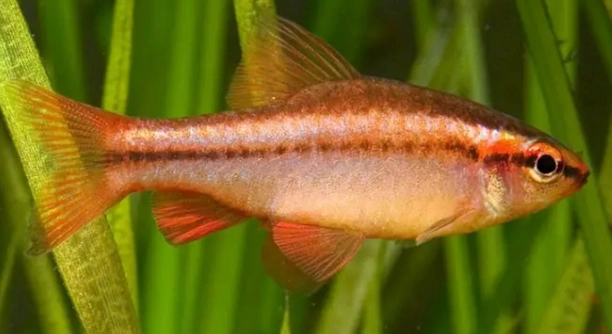
Cherry barbs are a popular species of aquarium fish known for their vibrant colors and active behavior. However, you may have noticed that these fish often swim in circles. It’s a common observation for many aquarium enthusiasts.
The circular swimming behavior in cherry barbs is typically linked to stress, lack of space, or social dynamics. When they feel anxious or confined, these fish may exhibit repetitive movements, often circling around their environment as a coping mechanism.
Understanding why your cherry barbs swim in circles can help you create a healthier environment for them. By identifying the cause, you can ensure their well-being and happiness in your aquarium.
The Reasons Behind Circular Swimming
Cherry barbs tend to swim in circles for several reasons. The most common reason is stress, which can come from various factors like water quality or overcrowding. Poor water conditions, such as high ammonia levels or inconsistent temperatures, can make the fish feel uncomfortable. When this happens, they may exhibit erratic swimming patterns, including swimming in circles.
When cherry barbs are in a small or overcrowded tank, they may feel trapped and become stressed. Limited space can cause them to swim aimlessly in search of more room, and this can result in circular patterns. These fish are social, so if there are not enough tank mates, they may become anxious and engage in repetitive movements.
In some cases, cherry barbs may swim in circles because of a lack of stimulation. A bare or monotonous tank setup, with minimal hiding spots or decorations, might lead to bored fish. Without distractions or objects to explore, they may resort to repetitive behaviors to pass the time.
How Stress Affects Cherry Barbs
Stress plays a significant role in how cherry barbs behave. When they are under stress, their natural swimming patterns are disrupted. Instead of swimming freely, they may start circling their environment. The key to managing this is addressing the stressor, whether it is water quality, tank size, or social interactions.
Fish that swim in circles due to stress may show signs of distress such as rapid gill movement or lack of interest in food. Keeping the tank water clean, making sure there is enough space for each fish, and adding hiding places can help reduce these behaviors. Regular water changes are essential to ensure the health of your cherry barbs.
By providing a suitable environment with the right water conditions, tank size, and companionship, you can minimize stress and help your cherry barbs feel secure and comfortable. This will encourage healthier swimming patterns and reduce the likelihood of circular swimming behavior.
Tank Size and Space
The size of your tank plays a crucial role in the behavior of your cherry barbs. When they don’t have enough space to move freely, they become stressed. Overcrowding is one of the main reasons they swim in circles.
A tank that is too small limits their natural movements, causing cherry barbs to feel restricted. A cramped environment leads to anxiety, which is often expressed through circular swimming. Make sure your tank is large enough to accommodate the number of fish you have. Ideally, a 20-gallon tank or larger will provide enough room for them to swim comfortably.
In addition to space, water flow is important. Cherry barbs prefer gentle currents, so a powerful filter may create more stress than necessary. Adjust the water flow to ensure it’s calm and comfortable. This setup allows the fish to swim naturally without feeling overwhelmed by the current.
Tank Mates and Social Behavior
Cherry barbs are social fish, and their behavior can be greatly influenced by their tank mates. If they’re alone or kept with incompatible fish, they can become stressed. In such cases, they might swim in circles to relieve anxiety.
Cherry barbs thrive in groups, especially when kept with other peaceful fish. Having multiple cherry barbs in the same tank can reduce stress by providing companionship. They feel more secure when they have other fish to interact with. On the other hand, aggressive or territorial fish may cause your cherry barbs to swim aimlessly, increasing circular swimming.
Choosing the right tank mates is essential to keep your cherry barbs calm and content. Peaceful fish, such as other barbs or tetras, are good companions. This allows for a harmonious environment that supports healthier swimming patterns.
Water Quality
Water quality directly affects cherry barbs’ behavior. Poor water conditions, such as high ammonia or nitrate levels, can make them uncomfortable. This stress often leads to circular swimming as the fish struggle to cope with the unpleasant environment.
Regular water changes are essential to maintain the health of your cherry barbs. Ammonia, nitrites, and nitrates should be kept at safe levels. Testing the water weekly helps ensure it stays within a suitable range. A stable environment encourages your cherry barbs to swim normally and feel at ease in their habitat.
Water Temperature
Cherry barbs prefer warm water, typically between 74°F and 79°F. If the temperature fluctuates too much or is too high or low, it can cause stress, leading to circular swimming. Maintaining a steady temperature is crucial for their comfort and health.
Keeping a reliable heater in the tank and monitoring the temperature regularly ensures that your fish stay in their preferred range. Temperature fluctuations can be harmful, and consistent warmth helps them feel safe and relaxed, reducing the chances of erratic swimming behaviors.
Tank Decoration and Hiding Spots
Adding decorations to the tank is a simple yet effective way to reduce stress in cherry barbs. Fish that have access to hiding spots feel more secure, which can prevent circular swimming.
Include plants, rocks, or small caves to give your fish places to explore and retreat to. These hiding spots provide mental stimulation and allow the cherry barbs to establish territories, which can help reduce anxiety and repetitive swimming patterns.
FAQ
Why do my cherry barbs swim in circles?
Cherry barbs often swim in circles due to stress or discomfort. Common causes include poor water quality, overcrowding, or a lack of social interaction. When the fish feel confined or anxious, they may start to swim aimlessly as a way to cope. Ensuring your tank is large enough, with good water conditions and appropriate tank mates, will help reduce this behavior.
Can circular swimming be a sign of illness?
While circular swimming is often linked to environmental stress, it can sometimes indicate a health issue. If the fish are also showing other signs of illness, such as faded colors, lethargy, or loss of appetite, it may be time to check for parasites or other medical concerns. It’s important to observe your fish closely for any other symptoms and consult a vet if necessary.
How can I prevent my cherry barbs from swimming in circles?
To prevent circular swimming, start by improving water quality. Regular water changes, using a reliable filter, and ensuring your tank is properly cycled are key. Also, ensure your cherry barbs have enough space and are kept with compatible tank mates. Adding plants or decorations will provide hiding spots and reduce stress.
How many cherry barbs should I keep together?
Cherry barbs are social fish and should be kept in groups. Ideally, they should be kept in schools of at least five or more. When kept in small groups, they may feel isolated and stressed, leading to abnormal swimming patterns. A larger group helps them feel secure and minimizes stress.
Can my cherry barbs swim in circles because of the water temperature?
Yes, temperature can greatly affect your cherry barbs’ behavior. If the water is too hot or too cold, it can cause stress, leading to circular swimming. The ideal water temperature for cherry barbs is between 74°F and 79°F. Maintaining a stable, suitable temperature will help keep your fish comfortable and prevent stress-related behavior.
Is it normal for cherry barbs to swim in circles at night?
Occasionally, cherry barbs may swim in circles at night due to restlessness or because they are more active during the evening. However, this behavior should not be constant. If it becomes excessive or seems linked to stress, it’s worth looking into water quality, tank size, and other environmental factors that could be causing discomfort.
Can I add new fish to the tank if my cherry barbs swim in circles?
Adding new fish when your cherry barbs are already stressed might increase their anxiety. If you notice circular swimming, it’s best to resolve the stressor first. Once water quality is stable, the tank is large enough, and the fish have enough social interaction, then introducing new tank mates should be done gradually.
Do cherry barbs need a filter to stop swimming in circles?
A filter is important for maintaining water quality, but it’s equally important to ensure that the water flow isn’t too strong. Cherry barbs prefer calm waters, and a strong filter can create a current that stresses them out, contributing to erratic behavior. Choose a filter suitable for your tank size and adjust the flow if necessary.
Are there any other signs I should watch for besides circular swimming?
Besides swimming in circles, other signs of stress or illness include faded colors, clamped fins, lack of appetite, and lethargy. If your cherry barbs show any of these additional symptoms, it may be a sign of illness or poor tank conditions. Quick action can help prevent further stress or health issues.
Will circular swimming stop on its own if the conditions improve?
If the root cause of the circular swimming is stress from poor water quality, overcrowding, or inappropriate tank mates, the behavior should gradually stop as conditions improve. However, it may take time for the fish to relax and return to normal swimming patterns. Monitor their behavior closely and ensure their environment is suitable for their needs.
Should I add plants to help my cherry barbs feel more comfortable?
Yes, adding plants can significantly help reduce stress for cherry barbs. Plants provide hiding spots, which make the fish feel more secure and reduce their anxiety. Live plants also improve water quality by absorbing nitrates, which can further contribute to a healthier tank environment.
Can I use medication to stop the swimming behavior?
While medication may be necessary if your cherry barbs are sick, it’s generally not a solution for circular swimming caused by stress. Addressing the environmental factors, such as water quality, tank size, and social conditions, is the most effective way to resolve the issue. Medications should only be used if a specific illness is diagnosed.
Is it safe to keep cherry barbs with other types of barbs?
Yes, cherry barbs can be kept with other peaceful species of barbs. They generally get along well with other barbs that have similar temperament. Avoid mixing them with aggressive barbs or fish that might cause stress. A peaceful community setup will ensure your cherry barbs feel comfortable and reduce the likelihood of abnormal behavior.
How do I know if my tank is overcrowded?
Overcrowding can be identified by several signs. If your fish seem to be constantly bumping into each other or swimming in small, tight areas, your tank may be overcrowded. In addition, if the water quality is poor, the fish may start showing signs of stress, like circular swimming. Make sure you follow the recommended stocking limits for your tank size.
Can I stop cherry barbs from swimming in circles by changing the tank layout?
Changing the tank layout can help reduce stress. Adding plants, decorations, or caves will give your cherry barbs places to hide and explore, which can ease their anxiety. A well-structured tank setup provides stimulation and a sense of security, which can prevent the repetitive behavior of circular swimming.
Are cherry barbs better off in a species-only tank?
Cherry barbs do well in species-only tanks, but they can also thrive in community tanks with other peaceful species. If they are the only type of fish in the tank, there is no competition for space or food, which can help reduce stress. However, they also enjoy social interaction, so consider adding a few more cherry barbs to keep them company.
Final Thoughts
Cherry barbs are active and colorful fish, but their circular swimming behavior can be concerning for aquarium owners. Understanding the reasons behind this behavior is key to helping your fish live a healthier life. Most often, circular swimming is caused by stress, which can stem from poor water conditions, overcrowded tanks, or a lack of social interaction. By addressing these issues, you can help your cherry barbs feel more comfortable and reduce their anxiety-driven behaviors.
Maintaining good water quality, providing enough space, and ensuring compatible tank mates are all essential factors in promoting the well-being of your cherry barbs. Regular water changes, proper filtration, and monitoring of water parameters like ammonia, nitrate, and pH levels will go a long way in keeping the environment safe. Additionally, a larger tank with plenty of plants, rocks, and hiding spots will help your fish feel more secure and less likely to swim in circles. Social behavior is also important for cherry barbs, as they thrive in groups. Keeping them with other peaceful fish can reduce feelings of isolation and stress.
If your cherry barbs continue to swim in circles despite improving their environment, it might be time to consider other factors, such as the possibility of illness. While stress is the most common cause of this behavior, it’s always a good idea to observe your fish for any additional signs of health problems. With the right care, your cherry barbs can thrive in their tank, showing off their natural swimming patterns and vibrant colors without the distress of circular swimming. By creating a balanced and stimulating environment, you’ll ensure your cherry barbs remain healthy and happy for years to come.

Hello,
If you enjoy the content that we create, please consider saying a "Thank You!" by leaving a tip.
Every little bit helps us continue crafting quality advice that supports the health, happiness, and well-being of pets around the world, for pets of all shapes, sizes, and species.
We really appreciate the kindness and support that you show us!