
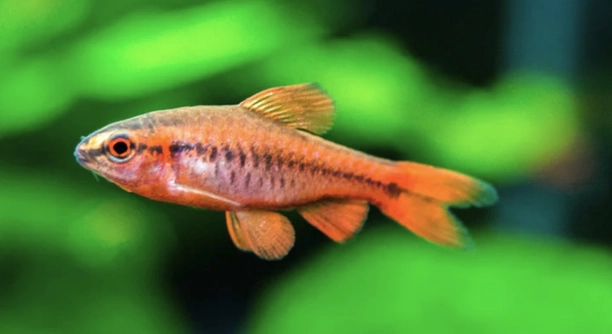
Have you ever stopped to admire the bright colors and lively movement of cherry barbs at your local pet store, unsure how to tell if they’re truly healthy?
A healthy cherry barb displays vibrant red coloration, active swimming behavior, clear eyes, and smooth scales free from spots or tears. Its fins should be intact and upright, and it should respond quickly to movement and light.
Recognizing the signs of a healthy fish can save you time, stress, and money while helping your new pet thrive from day one.
Look for Bright, Even Coloration
Cherry barbs that are in good health have a strong, even red tone across their body. Males usually appear brighter, especially during breeding periods, while females are slightly paler with a more golden hue. Avoid fish with dull patches, faded sections, or discoloration along the fins or body. These could be signs of stress, poor diet, or illness. Healthy fish will look vibrant and well-defined, even under store lighting. Take your time and compare several individuals. A healthy cherry barb stands out with a clean, polished appearance and shows no signs of skin damage or abnormal markings.
Bright color is a natural sign of health, confidence, and proper nutrition in cherry barbs. It means the fish is likely being well cared for.
Coloration can change slightly due to stress during transport or when adapting to a new tank. However, healthy fish will quickly regain their rich coloring once settled and calm.
Check for Active Swimming
A healthy cherry barb swims actively and confidently through the water. If the fish is hovering at the bottom, floating near the top, or hiding constantly, that could mean something is wrong.
Activity level is one of the clearest ways to judge a cherry barb’s health in the pet store. They should swim smoothly, dart around plants or decorations, and stay in motion with the group. Watch how they interact with tank mates. A healthy barb will respond quickly to movement or food. Lethargic or slow fish may be sick, stressed, or kept in poor water conditions. Pay attention to their body posture too. Look for relaxed fins, not clamped close to the body. If you notice erratic swimming, twitching, or gasping at the surface, those are signs to walk away. Choosing an active, alert cherry barb increases your chances of bringing home a thriving fish.
Inspect the Fins and Tail
The fins and tail should be full, smooth, and free of tears or white edges. Damaged fins may mean the fish has been bullied, is stressed, or has a fungal infection. Watch how the fins move—healthy fins will fan out naturally.
Look closely at the dorsal, caudal, and pectoral fins. All should appear symmetrical and not clamped tightly to the body. If the edges are frayed or discolored, it could be a sign of fin rot or poor water quality. Torn fins might also point to rough handling or aggression from other tank mates. A cherry barb with strong, clear fins tends to be in good shape. Make sure the tail flows smoothly behind the body and isn’t twisted or collapsed. Healthy fins and tails are good indicators of overall well-being and can help you avoid buying a sick or stressed fish.
Fins are important for balance, swimming, and display, especially in community tanks. Damaged fins not only affect a cherry barb’s appearance but can also impact its ability to swim properly and avoid aggression. If the fish is missing chunks or if the fins appear stuck together, it may need medication or quarantine. Choosing a fish with healthy fins helps reduce future care issues and supports better behavior in group settings.
Observe the Eyes and Gills
Clear eyes are a reliable sign of a healthy fish. Cloudy or swollen eyes could mean illness or past injury. Look for round, bright eyes without any fogging. Gills should open and close smoothly without showing redness or swelling.
Check that the gill covers move evenly and rhythmically as the fish breathes. Rapid gill movement may indicate poor oxygen levels, stress, or ammonia buildup in the tank. Healthy gills are a soft pink inside and do not stick out. Avoid cherry barbs with gills that look inflamed or discolored. Also, look out for any mucus buildup or signs of labored breathing. If a fish gasps near the surface, it could be struggling to get enough air. Clean, properly functioning gills help keep a fish strong and active. Taking a few moments to inspect these areas helps ensure you’re selecting a healthy, comfortable cherry barb that can thrive in your tank.
Look at the Belly Shape
A healthy cherry barb has a slightly rounded belly—not too thin and not bloated. A sunken belly may signal poor nutrition or internal parasites. On the other hand, swelling or puffiness could be a sign of infection or overfeeding.
Watch for smooth, even shape from the side view. If the stomach area sticks out sharply or appears lumpy, the fish might be carrying eggs or suffering from a digestive issue. A well-fed cherry barb will have a balanced, gentle curve under its body, showing that it’s eating properly and staying active.
Watch for Social Behavior
Cherry barbs are social fish and feel more comfortable in small groups. Healthy ones tend to swim together and interact without signs of aggression or fear. If one fish isolates itself, it could be stressed, sick, or not used to group living. This behavior helps reveal overall health.
Assess Tank Conditions
Take a good look at the tank where the cherry barbs are kept. Clean water, clear glass, and healthy tank mates are good signs. If the water looks murky or if there’s leftover food on the substrate, the fish may be under stress. Healthy fish need stable, clean environments to thrive.
FAQ
How can I tell if my cherry barb is stressed?
Stressed cherry barbs often display unusual behavior, such as hiding, swimming erratically, or staying in one spot for long periods. They may also lose their vibrant color and appear dull or washed out. If the water temperature is too high or low, if there’s too much aggression from tank mates, or if the water quality is poor, these fish can become stressed. To help reduce stress, make sure the water conditions are ideal and the tank mates are compatible. Offering plenty of hiding spots and plants can also make them feel safer and more at ease.
What should I do if I notice my cherry barb’s fins are damaged?
If your cherry barb’s fins are damaged, it could be due to injury, poor water quality, or aggression from other fish. Isolate the injured fish to avoid further harm and check the water parameters, especially ammonia and nitrate levels. You can treat minor fin damage with aquarium salt or specialized fish medications. If the fins are severely damaged, you might need to add medication to prevent infections like fin rot. Keeping the tank clean and stress-free is key to helping the fish recover.
Are cherry barbs suitable for beginner fishkeepers?
Yes, cherry barbs are relatively easy to care for, making them a great choice for beginner fishkeepers. They are adaptable to different water conditions, though it’s essential to maintain stable water temperature and clean water. Cherry barbs are peaceful and do well in community tanks, which is also beginner-friendly. As long as you monitor water quality and provide a balanced diet, you should have no problem keeping them healthy.
How often should I feed my cherry barb?
Feed your cherry barb once or twice a day with small amounts of food that it can consume within a few minutes. Overfeeding can lead to poor water quality, which can harm the fish. You can feed them flakes, pellets, or frozen food like brine shrimp or daphnia. Make sure to remove any uneaten food after feeding to keep the water clean.
Can cherry barbs live with other fish?
Cherry barbs are peaceful and can live with a variety of other fish, as long as those fish are not aggressive. They are especially suited to community tanks with similarly sized fish. Avoid housing them with larger, more aggressive species that might stress them out. Good tank mates include other peaceful species like tetras, rasboras, or peaceful corydoras catfish. Ensure the tank is well-planted with plenty of hiding spots to keep all your fish comfortable.
How long do cherry barbs live?
On average, cherry barbs can live anywhere from 3 to 5 years if provided with proper care. However, their lifespan can be affected by water conditions, diet, and overall stress levels. Keeping the water clean and offering a varied, nutritious diet can help them live longer and healthier lives.
What is the ideal tank size for cherry barbs?
Cherry barbs are small fish and don’t require large tanks. A tank size of at least 20 gallons is recommended for a small group of 4-6 fish. A larger tank may be necessary if you want to house them with many other species. The tank should have enough swimming space, along with hiding spots provided by plants and decorations. Make sure to keep the water temperature between 72°F and 80°F, with a pH of 6.0 to 7.5 for the best results.
Can cherry barbs breed in captivity?
Yes, cherry barbs can breed in captivity. Males are usually more colorful and can display brighter hues to attract females. During breeding, the male will chase the female and display his best colors. Once the female is ready, she will lay eggs on plants, and the male will fertilize them. After the eggs are laid, it’s best to remove the adults to prevent them from eating the eggs. The eggs will hatch in a few days, and baby barbs (fry) will grow quickly if fed infusoria or finely crushed flakes.
What kind of water conditions do cherry barbs need?
Cherry barbs prefer slightly acidic to neutral water with a pH level between 6.0 and 7.5. They thrive in temperatures ranging from 72°F to 80°F. It’s important to maintain good filtration and perform regular water changes to keep ammonia, nitrite, and nitrate levels in check. Cherry barbs are quite adaptable but will do best in clean, stable water.
Why is my cherry barb not eating?
If your cherry barb is not eating, it could be a sign of stress, poor water quality, or an underlying health issue. First, check the water parameters to ensure the temperature, pH, and hardness are in the right range. If everything checks out, try offering different types of food, as some fish can be picky eaters. If the problem persists, consider isolating the fish to monitor its condition more closely and observe for signs of illness like bloating or discoloration. It’s also important to ensure the fish is not being bullied by other tank mates.
When looking for a healthy cherry barb, taking the time to carefully observe the fish before purchasing is key. Small signs of distress or illness can easily be overlooked, but paying attention to details such as vibrant coloration, active swimming, and healthy fins can make all the difference in ensuring your new fish thrives in its new home. Healthy cherry barbs are generally active, social, and full of life, so any signs of sluggishness, damaged fins, or fading colors should raise a red flag.
Remember that a healthy cherry barb also requires the right environment to stay happy and comfortable. Proper water conditions, such as stable temperature, pH levels, and regular water changes, are essential. Even if you pick a healthy fish, improper tank conditions can lead to stress and illness down the road. Additionally, choosing appropriate tank mates and providing plenty of hiding spots and plants will help your cherry barb feel secure in its new home.
In the end, the effort you put into selecting and caring for a healthy cherry barb will pay off in a vibrant, active fish that can be a great addition to your aquarium. By observing their behavior, checking for clear signs of good health, and creating a supportive environment, you’ll be well on your way to enjoying the beauty and personality of these charming fish. The investment in time and attention at the start will ensure they live a long, healthy life in your tank.

Hello,
If you enjoy the content that we create, please consider saying a "Thank You!" by leaving a tip.
Every little bit helps us continue crafting quality advice that supports the health, happiness, and well-being of pets around the world, for pets of all shapes, sizes, and species.
We really appreciate the kindness and support that you show us!