
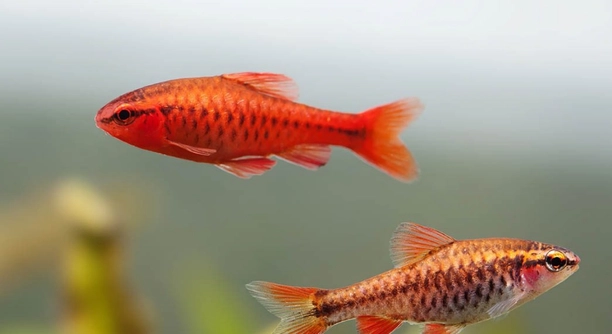
Have you ever set up a small aquarium and started to wonder if your fish are truly happy inside it?
Cherry Barbs can experience boredom in small tanks due to a lack of space, environmental stimulation, and interaction. Inadequate conditions may lead to stress-related behaviors, reduced activity, and overall decline in their well-being.
Providing the right environment can make a big difference in how Cherry Barbs behave and thrive in your home aquarium.
Why Tank Size Matters for Cherry Barbs
Cherry Barbs are active fish that enjoy swimming in groups, and a small tank can limit how they move and interact. When they don’t have enough space, they may become less active, hide more often, or even start acting aggressively. These fish thrive when they have room to explore and natural hiding spots like plants and decorations. Without this, their behavior may change, and they might not display their usual bright colors. A larger tank also allows for better water quality, which affects their health and comfort. Clean water with stable parameters helps reduce stress and keeps them active. If Cherry Barbs are kept in a cramped space, they can feel confined, and their daily activity drops. This kind of environment can lead to boredom, which can slowly impact both their physical and mental condition over time.
Smaller tanks also make it harder to keep the water balanced, which adds more stress for the fish.
Giving your Cherry Barbs at least a 20-gallon tank with live plants, open swimming areas, and a few hiding spots will support their natural behaviors and prevent boredom.
How to Keep Cherry Barbs Mentally Stimulated
Adding variety to their environment helps keep Cherry Barbs mentally active and more engaged in their space.
Use live plants like Java fern or Anubias, as they provide natural cover and encourage exploration. Rotate decorations or rearrange items in the tank every couple of weeks. This small change can create a fresh experience for the fish, encouraging them to explore and move around more. Keep a group of at least five Cherry Barbs so they can interact with each other naturally, which keeps their social instincts strong. Feeding can also be more than just a routine. Offer a mix of flakes, frozen foods, and live options like daphnia or brine shrimp. This variety gives them something to look forward to and mimics the unpredictability of nature. Soft lighting and gentle water flow also help create a calmer, more interesting space for them. When their surroundings are active and changing in small ways, Cherry Barbs are more likely to stay lively and show off their best behaviors.
Signs Your Cherry Barbs Might Be Bored
When Cherry Barbs are bored, they often swim aimlessly, hover in one spot, or hide more than usual. A drop in energy or a dulling of their bright red color can also be signs of stress or boredom.
They may start showing repetitive behavior like swimming up and down in the same area or chasing each other without purpose. Some Cherry Barbs may stop interacting with their group, which is unusual for a schooling fish. You might also notice them picking at plants or tank decor more than usual, which can be a sign of restlessness. If their eating habits change—either eating too fast, losing interest in food, or only reacting to certain types—it might mean they’re not mentally engaged. These changes are often gradual but can become more obvious over time when the tank lacks variety or stimulation.
Long-term boredom can weaken their immune system, making them more likely to get sick. It can also lead to behavioral issues like aggression or constant hiding, which impacts their overall quality of life. Monitoring their behavior and making small changes to their environment regularly can help you catch and fix boredom early. Staying observant will help your Cherry Barbs stay healthy and active.
The Role of Social Interaction and Group Size
Cherry Barbs feel more secure and active when kept in groups of at least five or six. Smaller groups can lead to stress and inactive behavior, while a properly sized group supports natural schooling habits.
In a group, Cherry Barbs communicate, swim in formation, and explore more freely. Social interaction helps reduce stress and allows them to show off their bright colors and full personality. When kept alone or in too small a group, they often become timid or anxious, hiding in corners or behind decorations. Keeping the right group size also helps spread out any mild chasing behavior, making it less stressful for each fish. Group dynamics matter, too—when there’s a proper mix of males and females, you’ll often see more peaceful, balanced activity. This also reduces the chance of aggressive competition, especially among males. Choosing the right number of Cherry Barbs helps create a stable, lively tank environment that benefits their physical and mental health.
Environmental Enrichment Tips
Floating plants create shaded spots that Cherry Barbs enjoy swimming through, making the tank feel more natural. Adding gentle bubble wands or adjustable flow filters also gives them a playful current to explore.
Use different textures and shapes when choosing decorations. Smooth rocks, caves, and driftwood provide variety and hiding places.
Best Feeding Practices to Prevent Boredom
Feeding time can be a chance for stimulation. Avoid giving the same food every day. Rotate between high-quality flakes, frozen bloodworms, live brine shrimp, and daphnia. This keeps their diet interesting and mimics the variety they would find in nature. Scatter food across the tank instead of placing it in one spot—this encourages natural foraging and movement. Some aquarists also use feeding rings or sinking tablets to change how and where food is accessed. Feed smaller portions twice a day instead of one large meal. This gives Cherry Barbs more activity throughout the day without overfeeding.
Lighting and Activity Levels
Soft, natural lighting helps Cherry Barbs stay active and reduces stress. Too much bright light can make them hide, while a gentle schedule encourages healthy daily movement.
FAQ
Can Cherry Barbs live alone?
Cherry Barbs should not be kept alone. They are social fish that feel more comfortable and active when living in groups. A single Cherry Barb may become shy, inactive, or even stressed. This stress can affect their immune system and overall health. Keeping them in a group of at least five helps them feel safe and allows them to show natural behaviors like schooling and social swimming. In a group, you’ll also see more vibrant colors and energy.
What’s the minimum tank size for Cherry Barbs?
A 20-gallon tank is considered the minimum for a small group of Cherry Barbs. Even though they are small fish, they are very active and need space to swim around. A tank this size also gives you more room to add plants, decorations, and other elements that keep them mentally and physically engaged. A smaller tank can make it hard to maintain stable water conditions, which leads to stress and boredom. More space also makes it easier to maintain a healthy social environment.
How can I tell if my Cherry Barbs are stressed?
Stressed Cherry Barbs may lose their bright red color, hide often, swim erratically, or stop eating regularly. You might also see them separating from the group or becoming aggressive. A change in their usual activity level is another common sign. If they’re usually swimming together and suddenly isolate themselves, that’s a red flag. Always check water conditions and tank setup when you see these behaviors, since poor water quality and overcrowding are common causes.
Do Cherry Barbs need live plants?
They don’t need live plants to survive, but live plants do help improve their quality of life. Plants provide shelter, reduce stress, and encourage exploration. They also improve water quality by absorbing some waste. Good plant choices include Java fern, Anubias, and Hornwort. Even artificial plants can be helpful if arranged well, but live plants offer a more natural setting that keeps the fish more engaged and comfortable.
How often should I change their tank layout?
You don’t need to rearrange everything often, but small changes every two to three weeks can be helpful. Moving decorations or adding a new plant can give Cherry Barbs something new to explore. These small adjustments keep their minds active and can reduce boredom. Just be sure not to disturb their favorite hiding spots or stress them with too many changes at once.
Can Cherry Barbs recognize their owner?
Cherry Barbs are not as interactive as some fish, but over time, they can associate your presence with feeding. They may swim toward you when you approach the tank, especially during feeding times. While this isn’t the same as true recognition, it shows they are aware of patterns in their environment. This is another sign that they are mentally active and can benefit from interaction.
Is it okay to keep Cherry Barbs with other fish?
Yes, Cherry Barbs are peaceful and do well in community tanks. They pair best with other non-aggressive fish like Corydoras, Harlequin Rasboras, and small Tetras. Avoid keeping them with fin-nipping or overly active species that may stress them. Always make sure the tank is large enough to give each species enough space.
What’s the best temperature range for Cherry Barbs?
Keep the water temperature between 73°F and 81°F (23°C to 27°C). This range supports their health, energy levels, and color. Avoid sudden changes in temperature, as this can cause stress and illness. Use a reliable heater and thermometer to maintain stable conditions.
Can Cherry Barbs get bored even in large tanks?
Yes, a large tank alone doesn’t guarantee stimulation. Even in a big tank, they can get bored if there’s no variety. Without plants, hiding spots, or interaction, they may become inactive. A large tank is a great start, but enrichment and social structure are just as important.
How long do Cherry Barbs live?
With proper care, Cherry Barbs can live up to 5 or 6 years. Their lifespan depends on water quality, diet, and overall environment. Boredom and stress can shorten their lifespan, so providing a balanced, engaging habitat is key. Regular tank maintenance also plays a big role in their long-term health.
Final Thoughts
Cherry Barbs are peaceful, active fish that can bring a lot of life to your aquarium. But like any pet, they need the right care to stay healthy and happy. Keeping them in a small, plain tank with little to explore can cause boredom and stress. This may not show up right away, but over time, it can lead to behavior changes, loss of color, and even health problems. That’s why it’s important to look beyond just the basics like feeding and water changes. Their environment plays a big role in how they behave and feel each day. A boring tank can make even a healthy fish seem dull or less active.
Tank size, social interaction, and enrichment all work together to help Cherry Barbs stay active and alert. They are social fish that like to live in groups, so having at least five together supports their natural behavior. Adding plants, gentle currents, and changing the layout now and then gives them more reasons to swim, explore, and stay engaged. Feeding them a variety of food types also adds interest to their routine. All of these small actions can prevent boredom and help them show their full personality. You don’t need a high-tech setup or rare items—just simple, thoughtful changes can go a long way.
If you’re already keeping Cherry Barbs or planning to, it helps to pay attention to their behavior. If they’re hiding more, swimming less, or not showing their usual color, it may be time to look at their environment. Try adding more space, placing a few new plants, or switching up how and where you feed them. These little steps can make your tank more than just a space to survive—it becomes a space to thrive. Taking time to create a healthy and interesting home not only helps your Cherry Barbs live longer but also makes watching them more enjoyable for you. A lively, curious school of fish is a sign you’re doing things right.

Hello,
If you enjoy the content that we create, please consider saying a "Thank You!" by leaving a tip.
Every little bit helps us continue crafting quality advice that supports the health, happiness, and well-being of pets around the world, for pets of all shapes, sizes, and species.
We really appreciate the kindness and support that you show us!