
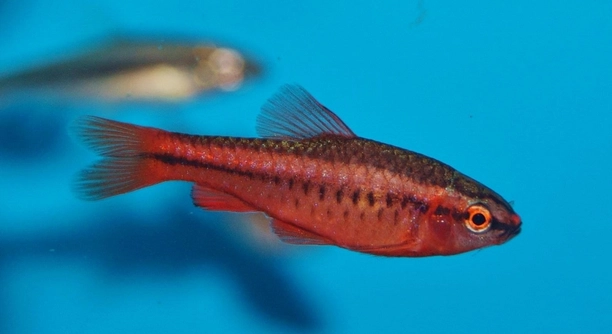
Cherry barbs are known for their active and social nature, but sometimes, they may stick to one corner of the tank. This behavior can be a sign of various underlying factors affecting their comfort or health.
The primary reasons cherry barbs may stick to one corner include stress, poor water quality, lack of tank mates, or environmental factors. Stress, in particular, can result from overcrowding or sudden changes in the aquarium setup, affecting their behavior.
Understanding the factors causing this behavior can help resolve the issue and promote a healthy environment for your fish.
Stress and Anxiety in Cherry Barbs
Cherry barbs, like many fish, are sensitive to changes in their environment. Even small shifts in water parameters, lighting, or tankmates can cause them to feel stressed. When they are stressed, they often seek out a corner of the tank as a way to hide or find safety. Stress can also arise from overcrowding, which restricts the fish’s ability to swim freely. It’s essential to monitor the tank for any sudden changes, such as fluctuating temperatures or an unbalanced ecosystem, which can trigger anxiety in your cherry barbs. If your fish appear to be hiding more often or staying in one corner, stress could be the cause.
Stress is often related to changes in their living conditions, including tank overcrowding. When there is too much competition for space, food, or territory, cherry barbs will retreat to a corner to avoid conflict. Giving them a more spacious environment can relieve this pressure.
Making sure your tank is properly set up and that water conditions are stable will help ease the fish’s anxiety. Keeping the water temperature steady and providing adequate filtration will also reduce stress. Consider adding plants or decorations that provide hiding spots to help them feel secure. Over time, reducing these stress factors will lead to a more active and social cherry barb.
Poor Water Quality
Water quality is crucial to maintaining the health of your cherry barbs. If the water is polluted or the pH levels are off, the fish will often seek out a corner to avoid exposure to toxins or uncomfortable conditions. Regular water changes and filtration are essential for a healthy aquarium environment.
Regular water testing ensures that the water parameters such as ammonia, nitrite, and nitrate levels are within safe ranges. Poor water quality can quickly lead to illness, making it even more important to maintain the tank’s cleanliness.
Lack of Tank Mates
Cherry barbs are social fish and prefer to be in the company of their kind. If kept alone or with incompatible species, they can become stressed and retreat to one corner. Providing a group of cherry barbs will encourage them to interact, reducing the chances of isolation and stress.
Cherry barbs thrive in schools of at least five or more fish. Without this, they may exhibit shy or reclusive behavior, such as staying in one corner of the tank. Adding more barbs or peaceful community fish will help mimic their natural social dynamics, giving them a sense of security and comfort.
When you add tank mates, ensure that they are peaceful and have similar water requirements. Fish like tetras or rasboras are great companions for cherry barbs. Just avoid overly aggressive species, as this can lead to additional stress and corner-hiding behavior.
Environmental Factors
Environmental factors play a significant role in the behavior of cherry barbs. The placement of the tank, lighting, and decorations can all influence their behavior. For example, overly bright lighting can cause stress, while dim or fluctuating lights may disorient them. Fish prefer consistent, gentle lighting that mimics natural day-night cycles.
The arrangement of plants and decorations can also affect their comfort level. Too few hiding places may leave them feeling exposed and insecure. Conversely, too many obstacles might create overcrowding. Balancing these factors will help create a peaceful and comfortable environment for your cherry barbs, allowing them to swim freely and interact more.
Pay attention to the tank’s layout and adjust the placement of decorations or lighting to suit their needs. Providing hiding spaces, like plants or rocks, allows your cherry barbs to retreat when they feel stressed but still move about the tank.
Overfeeding
Overfeeding your cherry barbs can lead to water quality issues and create an unhealthy tank environment. Excess food decomposes, raising ammonia levels and stressing the fish. This can cause them to hide in a corner to avoid discomfort. Proper feeding is key to maintaining a healthy tank.
Feeding your cherry barbs the right amount is essential. Only offer as much food as they can consume in a few minutes. Any leftover food should be removed to prevent it from polluting the water. Stick to a feeding schedule to avoid overfeeding, which can lead to more stress.
Tank Size
A tank that is too small for your cherry barbs can contribute to stress. When space is limited, fish are more likely to retreat to a corner, feeling trapped and unable to explore. Ensure the tank provides ample space for the fish to swim freely and interact.
Fish need room to move around comfortably. If the tank is overcrowded, it can lead to territorial disputes and heightened stress. A 20-gallon tank is the minimum recommended size for a small group of cherry barbs, allowing them to feel safe and active.
Aggressive Tankmates
Aggressive fish can cause significant stress to your cherry barbs, leading them to hide in a corner for protection. When choosing tankmates, make sure they are peaceful and compatible with the barbs. Avoid species known for aggression, like cichlids or larger predatory fish.
FAQ
Why are my cherry barbs hiding in a corner?
Cherry barbs may hide in a corner due to stress, poor water quality, or lack of tank mates. Stress can arise from sudden changes in the environment, overcrowding, or an aggressive tank setup. If the water is too polluted or the parameters are off, the fish may retreat to find safety. Another reason could be that they are alone. Cherry barbs are social creatures, and being kept without companions can cause anxiety, leading them to hide.
How can I reduce stress in my cherry barbs?
To reduce stress, maintain stable water conditions, avoid overcrowding, and provide appropriate tank mates. Ensure the water is filtered, clean, and at a consistent temperature. Regular water changes and testing will help keep ammonia, nitrate, and nitrite levels within safe ranges. Adding plants or decorations will also give your fish places to hide and feel secure. Keeping them in groups of at least five will allow them to interact naturally and reduce stress.
What size tank do cherry barbs need?
Cherry barbs need at least a 20-gallon tank when kept in groups. A larger tank is always better as it allows them to swim freely and interact with each other. A cramped tank increases stress, causing the fish to hide in a corner. A well-sized tank also helps maintain water quality by offering more space for filtration and waste distribution.
Can cherry barbs live with other species?
Yes, cherry barbs can live with other peaceful fish species. They do well in a community tank with species that are not overly aggressive. Tetras, rasboras, and other small, peaceful fish make good tankmates. Avoid keeping them with aggressive species, as this can cause stress and lead to corner-hiding behavior.
How often should I feed my cherry barbs?
Feed your cherry barbs twice a day with only as much food as they can eat in 2-3 minutes. Overfeeding can lead to water quality issues, and leftover food will pollute the tank. Feed them a balanced diet, including flakes, pellets, and occasional live or frozen food. Be sure to remove any uneaten food to prevent it from degrading in the water.
Do cherry barbs need special lighting?
Cherry barbs do not require special lighting, but they prefer a consistent light cycle. Too much bright light can stress them, while dim or fluctuating lighting may make them feel disoriented. A regular day-night cycle of about 10-12 hours of light and 12-14 hours of darkness mimics natural conditions and helps your fish feel more at ease.
What temperature should the water be for cherry barbs?
Cherry barbs thrive in water temperatures between 72°F and 78°F (22°C to 26°C). Keeping the water within this range will help them stay active and healthy. Fluctuating temperatures can cause stress, making the fish more likely to hide in a corner. Always monitor the tank’s temperature with a reliable thermometer to ensure consistency.
How can I improve water quality for cherry barbs?
To improve water quality, perform regular water changes, at least 25% every two weeks. Ensure the tank is equipped with an efficient filtration system that removes waste and toxins. Test the water regularly for ammonia, nitrite, and nitrate levels, keeping them within safe limits. Remove excess food and debris promptly to maintain water clarity and cleanliness.
Do cherry barbs need a heater?
Yes, a heater is recommended to maintain a stable water temperature for cherry barbs, especially if you live in a cooler climate. A heater helps prevent sudden drops in temperature, which can stress the fish. Choose a reliable, adjustable heater to maintain the optimal range of 72°F to 78°F.
Why is my cherry barb swimming in circles?
Swimming in circles may be a sign of stress, poor water quality, or even an illness like a parasite or swim bladder disorder. Check the water quality and temperature to ensure they are within the correct ranges. If the behavior continues, it may be necessary to consult a vet or aquatic specialist for further advice.
How do I know if my cherry barbs are healthy?
Healthy cherry barbs are active swimmers, showing interest in their environment. Their color should be vibrant, and they should swim in groups or interact with their tankmates. They should be eating regularly and not displaying signs of distress like gasping at the surface or staying in one corner. Regular water testing and observation will help ensure they remain healthy.
Can cherry barbs live with shrimp?
Yes, cherry barbs can live with shrimp, particularly smaller species like cherry or Amano shrimp. However, make sure the shrimp have plenty of hiding spots, as larger barbs may occasionally nip at their antennae or try to eat them. A well-planted tank provides hiding places for shrimp to feel secure.
How can I tell if my cherry barbs are stressed?
Stressed cherry barbs may exhibit behaviors such as hiding in corners, swimming erratically, or staying near the bottom of the tank. They may also stop eating or show signs of aggression toward other fish. Keeping an eye on their behavior and ensuring stable tank conditions will help prevent stress.
Why is my cherry barb not eating?
If your cherry barb isn’t eating, it could be due to stress, poor water quality, or illness. First, check the water parameters to make sure they are within the appropriate range. Also, ensure the food is fresh and appropriate for their diet. If the problem persists, consider isolating the fish for observation or seeking advice from an expert.
Final Thoughts
Cherry barbs are generally hardy fish, but their behavior can be influenced by several factors in their environment. When they start sticking to one corner of the tank, it’s usually a sign that something is off. Stress, poor water quality, lack of space, and unsuitable tank mates are common reasons for this behavior. Recognizing the signs early and addressing the underlying cause can help improve the health and happiness of your fish. Monitoring water conditions, ensuring a proper tank size, and keeping a balanced group of peaceful tank mates are essential steps to maintaining a stable environment for cherry barbs.
It’s important to remember that cherry barbs are social creatures, and they do best when kept in groups. Keeping at least five barbs together ensures they feel secure and reduces the likelihood of stress. Without other fish of their kind, they may become anxious and retreat to a corner. Furthermore, maintaining stable water quality is crucial. Regular water changes, proper filtration, and monitoring of water parameters will keep your fish healthy and active. If any issues arise, such as overfeeding or aggression from tank mates, resolving them quickly will prevent stress and improve your fish’s behavior.
Overall, caring for cherry barbs requires attention to detail and consistency. By keeping their environment clean, offering a balanced diet, and choosing the right tank mates, you can ensure that your cherry barbs remain healthy and happy. Their beautiful colors and lively nature make them a great addition to any aquarium, and with the right care, they can thrive for years. Always keep a close eye on their behavior and adjust the tank conditions when necessary to prevent any issues.

Hello,
If you enjoy the content that we create, please consider saying a "Thank You!" by leaving a tip.
Every little bit helps us continue crafting quality advice that supports the health, happiness, and well-being of pets around the world, for pets of all shapes, sizes, and species.
We really appreciate the kindness and support that you show us!