
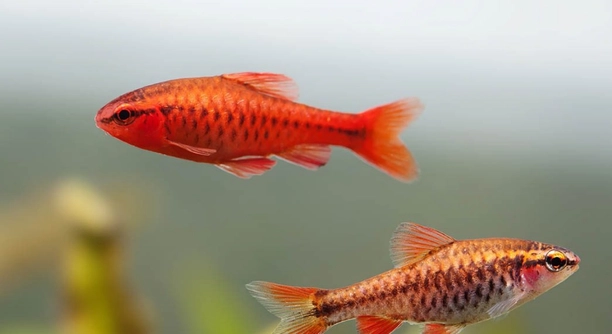
Cherry barbs are a popular choice for many fishkeepers, and raising their fry can be an exciting challenge. As a beginner, choosing the right food for them is essential for their growth and health.
Starting cherry barb fry on appropriate foods is crucial for their development. Small, nutrient-rich foods like infusoria, brine shrimp, and finely crushed flakes are ideal. These foods support the fry’s early growth and provide essential nutrients for optimal health.
Providing the right food from the beginning ensures a healthy start for your fry. Understanding which foods are best will help set them on a path to thrive. Let’s explore the easiest options for your cherry barb fry.
Infusoria: The Perfect First Meal
When it comes to feeding cherry barb fry, infusoria is one of the best options for the first few days. This small organism is ideal for young fish due to its tiny size and high nutrient content. You can easily culture infusoria at home using a simple method with water, leaves, and other organic materials. This food mimics what the fry would naturally consume in their environment, allowing them to grow strong and healthy. It’s an easy and natural choice to support their early stages of life.
Infusoria is particularly beneficial because of its size, making it easy for fry to consume. Their small mouths are better suited to feed on these microorganisms than larger foods.
Once your fry have grown a bit, it’s time to introduce other foods like baby brine shrimp or finely crushed flakes. These will provide a broader range of nutrients and ensure that they continue to grow without deficiencies.
Baby Brine Shrimp: A Great Protein Source
Baby brine shrimp are another excellent food for cherry barb fry as they start to grow. These small crustaceans are rich in protein, which is vital for muscle development and overall health. You can hatch your own brine shrimp using simple hatcheries, or purchase them online or at your local pet store.
Protein is an essential component in the diet of growing fry, supporting healthy development and better color retention as they mature. Brine shrimp are ideal once your fry are large enough to consume them. They offer a variety of nutrients that help with the fry’s continued growth.
As they mature, baby brine shrimp will help prepare your fry for the next stages of their life. It’s important to monitor their growth and adjust the food accordingly.
Finely Crushed Flakes: A Convenient Option
Finely crushed flakes are an easy and convenient food choice for cherry barb fry once they’re ready to transition from infusoria. This food is simple to prepare by crushing regular fish flakes into tiny bits, making it small enough for the fry to eat.
While not as nutrient-dense as infusoria or brine shrimp, crushed flakes still provide essential vitamins and minerals. They are a good option for supplementing the fry’s diet, offering variety and ease of access. Be sure to remove any uneaten flakes from the tank to maintain water quality.
Introducing crushed flakes at the right time will help your fry grow strong and healthy. Along with other foods, they will begin to adapt to more complex feeding options. This transition is important for their development.
Micro Worms: High in Protein
Micro worms are another excellent food choice that can be introduced as your fry grow. These tiny worms are rich in protein and easy to culture at home. You can quickly grow them in a container with moist food, like oatmeal, and keep a steady supply for your fry.
Protein is a critical component for your fry’s growth, and micro worms provide it in an easily digestible form. Fry can actively hunt these worms, which also helps develop their natural hunting instincts. As the fry get bigger, you can adjust the size of the worms to suit their growing mouths.
Introducing micro worms provides variety in their diet, which is essential for overall health. They are an ideal option for fry that are too big for infusoria but still require smaller foods. Keep up with regular feeding to ensure they thrive.
Daphnia: A Natural Food Source
Daphnia, commonly known as water fleas, are an excellent addition to your fry’s diet. These tiny creatures are high in protein and can be easily cultured in a small container. They mimic the natural foods cherry barbs would consume in the wild, making them a great choice.
Daphnia are small enough for young fry to consume and offer a natural, live-food option. They’re also high in essential fatty acids that support healthy growth and development. You can feed your fry Daphnia once they are large enough to handle them without any issues.
Vinegar Eels: Easy to Culture
Vinegar eels are another easy-to-culture live food perfect for growing fry. They are high in protein and can be cultured in a small container with a simple mixture of vinegar and sugar. These worms are tiny enough for your fry to eat, offering them the nutrition they need.
Vinegar eels are a great live food option for cherry barb fry. They help introduce variety to their diet and can be fed alongside other foods like infusoria and micro worms. Just be sure to culture them in a clean environment to avoid contamination.
Frozen Foods: A Convenient Choice
Frozen foods, like brine shrimp or daphnia, are a practical option when live foods are unavailable. They are easy to store and can be thawed before feeding. Be sure to buy high-quality frozen foods specifically meant for aquarium fish, ensuring they are free from harmful additives.
FAQ
What should I feed my cherry barb fry during the first week?
During the first week, cherry barb fry should be fed infusoria, as this tiny organism is the perfect size for their small mouths. Infusoria provides essential nutrients for fry, promoting healthy growth. You can culture infusoria at home with a simple setup using water, organic matter, and leaves. This natural food closely resembles what they would eat in the wild, ensuring they get off to a good start.
How often should I feed my cherry barb fry?
For the first few weeks, it’s important to feed your fry small amounts multiple times a day. Feed them 3 to 4 times daily to ensure they have enough energy to grow and develop properly. You can start with a small amount of food and adjust based on how much they eat. Overfeeding can lead to water pollution, so always monitor the tank’s condition and remove uneaten food.
Can I feed my fry frozen foods?
Frozen foods like brine shrimp or daphnia can be fed to cherry barb fry, but only once they are large enough to handle them. Frozen foods are a convenient option and can be stored for longer periods. It’s important to thaw the frozen food before feeding to avoid any shock to the fry’s system. They should also be small enough to prevent choking or difficulty consuming the food.
When can I introduce baby brine shrimp to the fry’s diet?
Baby brine shrimp are an excellent protein source for fry and can be introduced when they are about one week old, or when they are large enough to consume them. These tiny crustaceans are easy to culture and are highly nutritious. They help support muscle development and improve overall health. Be sure to hatch the brine shrimp in a clean environment to avoid contamination.
How do I culture micro worms at home?
Culturing micro worms is quite simple. All you need is a small container, oatmeal or another food source, and a bit of water. The worms will breed in the container, and you can feed them to your fry by simply scooping them out with a spoon. Micro worms are rich in protein and are small enough for young fry to consume. They’re a great food option as the fry grow and need more protein in their diet.
Can I feed cherry barb fry crushed fish flakes?
Yes, you can feed cherry barb fry crushed fish flakes once they’re big enough to handle them. Start by crushing the flakes into tiny bits to ensure they can easily eat them. While flakes aren’t as nutrient-rich as live foods, they do offer essential vitamins and minerals. Be sure to remove any leftover food to prevent it from polluting the tank.
Is it necessary to feed my fry live food?
While live food like infusoria, brine shrimp, and micro worms provide the most nutrition for cherry barb fry, it’s not strictly necessary to feed them only live food. You can supplement their diet with high-quality frozen foods or finely crushed flakes as they grow. Live food mimics what fry would naturally consume and helps them develop healthy instincts, but it’s not the only option available.
Can I feed cherry barb fry vegetable-based foods?
Cherry barb fry are primarily carnivorous during their early stages of life. As they grow, you can introduce small amounts of vegetable-based foods like blanched spinach or crushed peas, but protein-rich foods should still make up the bulk of their diet. Introducing vegetables can help diversify their diet, but ensure they get enough protein for optimal growth.
How do I know when to change the food I’m feeding the fry?
You should change the food you feed your cherry barb fry based on their growth and size. Once they’ve outgrown infusoria, switch to baby brine shrimp, micro worms, or finely crushed flakes. As they mature further, you can introduce more adult foods like frozen brine shrimp and small pellets. Monitor their growth and adjust their diet accordingly to ensure they get the right nutrients at each stage.
What water conditions should I maintain for my fry?
For healthy fry, it’s essential to maintain stable water conditions. Keep the water temperature between 75°F and 80°F (24°C to 27°C), with a slightly acidic to neutral pH (6.5–7.5). Regular water changes are important to maintain good water quality and remove waste. Ensure the tank is clean and the water is oxygenated to promote the fry’s overall well-being.
Final Thoughts
Raising cherry barb fry can be a rewarding experience, but it requires careful attention to their feeding and environment. Starting with infusoria and gradually transitioning to more complex foods, such as micro worms, baby brine shrimp, and crushed flakes, will ensure your fry grow healthy and strong. Understanding the dietary needs at each stage of their development is crucial for their survival and long-term health.
While live foods like daphnia and vinegar eels are highly nutritious, frozen foods can also be a convenient and effective option. These foods offer variety and ensure that your fry receive the necessary nutrients as they mature. Keep in mind that overfeeding can lead to poor water quality, so it’s essential to feed small amounts multiple times a day and remove any leftover food to maintain a clean tank. Always monitor the water conditions, as fry are especially sensitive to poor water quality.
In the end, raising cherry barb fry is all about balance. By providing them with the right mix of live and frozen foods, along with proper water conditions, you will help them grow into vibrant, healthy fish. With patience and attention, you’ll enjoy watching them thrive. Whether you’re a beginner or experienced fish keeper, following these guidelines will give you the best chance of success.

Hello,
If you enjoy the content that we create, please consider saying a "Thank You!" by leaving a tip.
Every little bit helps us continue crafting quality advice that supports the health, happiness, and well-being of pets around the world, for pets of all shapes, sizes, and species.
We really appreciate the kindness and support that you show us!