
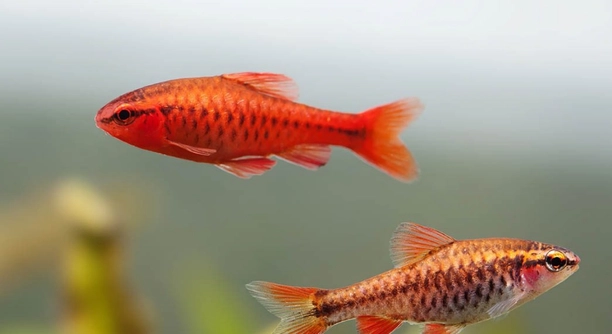
Cherry barbs are popular freshwater fish loved for their colorful appearance and peaceful nature. They make great additions to many aquariums. Knowing how they interact with their environment can improve their care and feeding habits, ensuring they thrive in your tank.
Cherry barbs can indeed learn feeding times. They can develop a routine and recognize when food is typically offered. Over time, they associate specific cues, like the sound of a lid opening or lights turning on, with feeding time.
Understanding how cherry barbs learn feeding times can help you create a more harmonious feeding schedule. This knowledge will also make feeding more efficient and enjoyable for both you and your fish.
How Cherry Barbs Learn Feeding Times
Cherry barbs are intelligent fish that can learn to associate feeding times with certain environmental cues. Over time, they begin to recognize patterns, such as the sound of your voice or the flickering of aquarium lights, which signal that food is coming. This ability to learn feeding times is rooted in their instincts to find food and survive, and it helps them adapt to life in your aquarium. By consistently offering food at the same time each day, cherry barbs can adjust their behavior and become more active as feeding time approaches. This learning behavior also means they can be trained to come to the surface or gather near their food area at certain times.
Once cherry barbs have learned these cues, they may even start to anticipate feeding times. The routine can help them stay healthy and reduce stress by providing consistent food. Their ability to adjust to this routine shows their cognitive abilities and can also make feeding easier for you.
Establishing a set routine for feeding your cherry barbs can make both the fish and you more comfortable. They will become accustomed to this pattern, reducing anxiety and promoting a healthier, more active lifestyle.
Benefits of Feeding at Regular Times
Feeding cherry barbs at regular times has several benefits. It creates a predictable environment, which helps reduce stress. It can also improve the fish’s overall health and make the feeding process smoother.
Keeping a consistent feeding schedule can help regulate the fish’s digestive system. When they know when to expect food, their feeding behavior becomes more efficient. This routine also helps you track their health more easily. If they stop eating or show changes in behavior, it might be a sign that something is wrong, such as a health issue or a problem with the tank conditions. The more predictable their feeding times, the better you can monitor their well-being.
Feeding at the same time every day can also prevent overfeeding. Fish are less likely to beg for food when they know when it will come. You can also avoid leaving food in the tank longer than necessary, which could lead to water quality problems. Regular feeding times help establish balance, benefiting both you and your fish.
The Role of Environmental Cues in Feeding Behavior
Cherry barbs can quickly link specific environmental cues to feeding times. They become attuned to the routine, such as the sound of the aquarium lid opening or the lights switching on, signaling it’s time to eat. This consistent pattern helps them feel more secure in their environment.
By associating these cues with food, cherry barbs not only learn when to expect feeding, but they also become more active and excited as feeding time nears. Environmental cues can also help reduce stress in fish, as they start to understand their surroundings better. These predictable signs create a comforting routine for the fish, improving their overall well-being.
Cues can be anything from the sound of water movement to the smell of food or even the time of day. Over time, cherry barbs may even show signs of anticipation, gathering near the surface or following the movement of your hand. This active response shows their ability to recognize feeding cues and their desire for food. Establishing these cues can make feeding more organized and efficient, ensuring that your cherry barbs thrive in their environment.
How to Establish a Feeding Routine
Setting up a feeding routine is fairly simple. Start by feeding your cherry barbs at the same time every day. Consistency is key, as it helps them learn and adjust. Over time, they’ll begin to recognize the schedule, and feeding will become easier for both you and your fish.
Use the same cues each day to signal feeding time. For example, you can turn on the tank lights or tap gently on the glass. This reinforces the pattern, making it clearer to the fish when food is coming. Make sure you stick to a regular time, even if you’re busy, to help establish the routine.
Once your cherry barbs have adjusted, they’ll start to show up around the feeding area when it’s time. This behavior makes it easier to track how much they’re eating and whether they are healthy. A consistent feeding schedule also ensures that they’re getting the right amount of food, preventing overfeeding or underfeeding, which can lead to health issues.
Common Mistakes When Feeding Cherry Barbs
One common mistake is feeding cherry barbs at inconsistent times. If you change the feeding schedule too often, the fish can become confused and stressed, making it harder for them to learn the routine. Sticking to regular times is essential.
Another mistake is overfeeding. It’s easy to give them too much food when they seem eager, but it’s important to stick to the proper portion sizes. Overfeeding can lead to poor water quality and health issues. A consistent portion at the same time helps them maintain a healthy weight and keeps the tank clean.
Adjusting Feeding Times for Optimal Health
Adjusting feeding times can be helpful if your cherry barbs seem overly hungry or are not eating enough. If you notice that they’re not eating at the usual time, try changing the schedule slightly and observe how they respond. It’s essential to find the balance between feeding regularly and ensuring they’re getting enough.
Fish are creatures of habit, so changing the feeding routine can sometimes be necessary for their health. If you notice they’re growing more active or seem hungry at a different time, a small adjustment can make a difference. Monitor them closely to see if they respond well to the change.
The Impact of Water Temperature on Feeding
Water temperature affects the appetite of cherry barbs. When the water is too cold, they may not be as active or hungry. Warmer water can stimulate their appetite and encourage better feeding behavior. Keep the temperature consistent for optimal feeding results.
FAQ
How can I tell if my cherry barbs are learning their feeding times?
Cherry barbs often show signs of recognizing feeding times once they start becoming more active at specific times of day. They might swim to the surface or gather near the feeding area as you approach. If they seem to anticipate feeding time by showing excitement or increasing movement, it’s a sign they’ve learned the routine. Consistency in feeding times helps reinforce this behavior. Over time, they’ll also learn cues like the sound of the tank lid opening or lights turning on.
Is it okay to change the feeding times of cherry barbs once they’ve learned?
While it’s best to keep feeding times consistent, you can change them if necessary. However, sudden changes can confuse your cherry barbs. If you need to adjust the schedule, make gradual changes over a few days. This helps the fish adapt without stress. It’s important to still keep a regular feeding time, just at a slightly different hour if needed. As long as they can still associate the cues with food, they will adjust.
How much should I feed my cherry barbs?
The amount you feed your cherry barbs depends on their size and the number of fish in the tank. A general rule is to offer food they can consume in a few minutes. Overfeeding can lead to water quality issues, so it’s important to avoid leaving uneaten food in the tank. Start with a small amount and observe if they eat it all. If there’s leftover food, reduce the portion next time. If they’re consistently finishing it too quickly, you can offer a little more.
Do cherry barbs eat at night?
Cherry barbs are primarily diurnal, meaning they are most active during the day. However, some may still nibble at food during the night if it’s left in the tank. It’s best to feed them during the day when they’re more active and can readily eat. Leaving food in the tank at night is not recommended, as it can lead to excess waste and water quality problems.
What if my cherry barbs are not eating during feeding times?
If your cherry barbs are not eating, it could be due to several reasons. First, check the water quality. Poor water conditions can affect their appetite. Ensure the temperature is in the right range and the water is clean. Stress from overcrowding, tank mates, or sudden changes in the environment can also cause a lack of appetite. If they continue to refuse food for several days, consider changing their diet or consulting an expert for health concerns.
Can cherry barbs eat vegetables?
Yes, cherry barbs can eat vegetables, though their diet should primarily consist of high-quality fish pellets or flakes. You can supplement their diet with small pieces of vegetables like spinach, zucchini, or peas. Make sure the vegetables are soft and easy to digest. Avoid feeding them too much plant matter, as it should only make up a small part of their diet.
What type of food is best for cherry barbs?
A well-balanced diet for cherry barbs includes high-quality fish pellets or flakes, designed specifically for small freshwater fish. These should be supplemented with occasional treats like live or frozen foods (daphnia, brine shrimp) and vegetables. A varied diet ensures they get the right nutrients, which supports their vibrant colors and overall health. Always ensure the food is small enough for them to eat easily.
How often should I feed my cherry barbs?
Feed your cherry barbs twice a day for optimal health. They should receive small portions each time to avoid overfeeding. This schedule also mimics their natural feeding habits, as they would typically forage throughout the day. Be sure to remove any uneaten food after a few minutes to maintain water quality.
Can cherry barbs learn to eat from a specific location?
Yes, cherry barbs can learn to eat from a specific location. If you consistently place their food in the same spot, they will start to recognize that area as their feeding zone. Over time, they will swim directly to this spot during feeding times. This habit also helps prevent food from spreading across the tank and ensures they eat the right amount.
Are there any foods I should avoid feeding my cherry barbs?
Avoid feeding cherry barbs foods that are too large, too hard, or not designed for fish consumption. For example, bread, dairy, and processed human foods should not be offered to them. These can cause digestive issues and are not nutritionally beneficial. Similarly, avoid giving them too much fat-rich or oily food. Stick to food that is specifically formulated for fish to maintain their health.
Do cherry barbs prefer certain food types over others?
Cherry barbs are omnivores and will usually enjoy a mix of both plant-based and protein-rich foods. They tend to prefer high-quality fish flakes or pellets, but they also enjoy occasional treats like bloodworms, brine shrimp, or finely chopped vegetables. Keep their diet varied to ensure they get all the nutrients they need.
Can cherry barbs eat live food?
Yes, cherry barbs can eat live food, and they often enjoy it. Live foods such as brine shrimp, daphnia, and blackworms are great sources of protein for them. Live food can stimulate their natural hunting behavior, making feeding more engaging and enriching. However, ensure that the live food is from a safe, reliable source to prevent any potential health risks.
Why do my cherry barbs seem to stop eating when I change the food?
Cherry barbs can be picky eaters, and a sudden change in food might cause them to stop eating. Fish can be sensitive to changes in their diet, especially if the new food has a different taste or texture. If this happens, try gradually mixing the old food with the new food to give them time to adjust. If they still refuse the new food after a few days, it might not be to their liking, and you should try another type.
Can cherry barbs get too fat from overfeeding?
Yes, cherry barbs can become overweight if overfed. Like all fish, they can gain weight if they are given more food than they can consume. Overfeeding can lead to obesity, poor water quality, and health issues such as swim bladder problems. Stick to a feeding schedule with appropriate portion sizes to keep them at a healthy weight.
Are cherry barbs picky eaters?
Generally, cherry barbs are not overly picky eaters. They’ll consume a variety of foods, including flakes, pellets, frozen foods, and vegetables. However, they might refuse certain types of food, especially if they’re unfamiliar or if it has a different taste or texture. It’s good to offer a variety of food options and observe what they prefer.
Should I vary the food I give to my cherry barbs?
Varying the food you give to your cherry barbs is a good idea. A diverse diet helps ensure they receive all the essential nutrients they need. You can rotate between high-quality flakes, pellets, vegetables, and occasional live or frozen food. A varied diet also keeps feeding interesting and prevents the fish from becoming bored with the same food every day.
Final Thoughts
Cherry barbs are relatively easy to care for when it comes to feeding, especially once they’ve learned to recognize feeding times. They are intelligent little fish, capable of learning routines and associating certain environmental cues with food. Establishing a consistent feeding schedule can help reduce stress and improve their overall well-being. It also makes feeding time smoother, as they’ll start to anticipate it and become more active. This can be a sign of a healthy and happy fish that is comfortable in its environment.
Understanding the factors that influence cherry barbs’ feeding behavior is important for ensuring they stay healthy. Water quality, temperature, and consistency in their diet all play a role in how they behave around feeding time. By keeping the tank clean and maintaining proper water conditions, you create a more stable environment that encourages healthy feeding habits. Additionally, paying attention to their responses can help you adjust feeding schedules and portions accordingly. If you notice changes in their appetite or behavior, it may be worth reassessing the feeding routine or checking the water parameters.
Feeding cherry barbs is not just about giving them food at the right time but also providing a balanced diet that supports their health. A variety of foods, including pellets, flakes, and occasional live food, will keep them well-nourished and help bring out their vibrant colors. Overfeeding is something to avoid, as it can lead to water issues and potential health problems. By understanding their needs and feeding habits, you can create an environment where they thrive, making caring for your cherry barbs a more enjoyable and successful experience.

Hello,
If you enjoy the content that we create, please consider saying a "Thank You!" by leaving a tip.
Every little bit helps us continue crafting quality advice that supports the health, happiness, and well-being of pets around the world, for pets of all shapes, sizes, and species.
We really appreciate the kindness and support that you show us!