
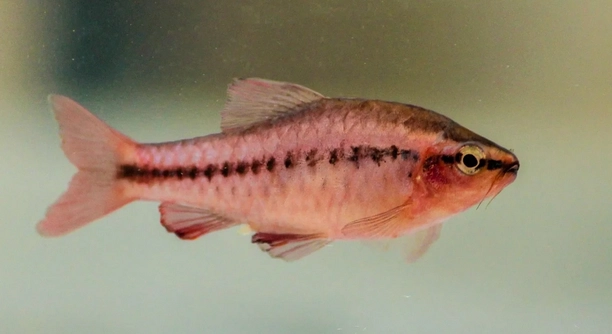
Cherry Barbs are popular aquarium fish known for their vibrant colors and calm demeanor. Observing them can offer insight into their well-being. One of the best ways to gauge their comfort level is by watching their behavior.
Cherry Barbs exhibit comfort through behaviors like schooling, vibrant coloration, relaxed swimming patterns, and frequent interaction with their environment. They thrive in peaceful conditions, where they demonstrate calm movements and engage with tank mates in a non-aggressive manner.
These simple signs are just the beginning of what to look for. Understanding how your Cherry Barbs express comfort will ensure they live a long, happy life. Let’s explore the key behaviors to watch for.
Vibrant Coloration Shows Comfort
When Cherry Barbs are comfortable, their colors become more vibrant. These fish are known for their bright red or orange tones, which can fade when they’re stressed or unwell. When they feel safe, you’ll notice their full, bright colors. It’s one of the easiest ways to tell if your Cherry Barb is comfortable in its environment.
Color changes are often one of the first signs that a Cherry Barb’s comfort level is shifting. Stress, illness, or poor water quality can dull their colors. On the other hand, a healthy, relaxed fish will display its brightest shades.
To keep your Cherry Barbs feeling comfortable, make sure they have a proper diet and clean water. Poor water conditions or overcrowding can lead to dull coloration. If their colors are fading, it might be time to check the water quality or make adjustments to their living conditions. Bright coloration isn’t just a sign of beauty; it’s a sign of health. You’ll see your Cherry Barbs’ true colors when they feel safe, happy, and stress-free.
Swimming Patterns and Movement
When your Cherry Barbs swim around freely and smoothly, it’s a good indicator that they’re relaxed. They move with ease, often in small groups or schools, which suggests that they feel secure. A healthy fish will swim gracefully and without hesitation.
Comfortable Cherry Barbs swim in natural patterns. They enjoy moving in schools, displaying coordinated movements that signify safety. Sudden, erratic movements often indicate stress or discomfort.
Maintaining a calm, peaceful tank environment helps your Cherry Barbs feel secure. If they swim erratically or hide more than usual, it may be a sign they are feeling uneasy or threatened. Ensuring they have plenty of space and hiding spots can make all the difference. A steady tank temperature and appropriate tank mates can also contribute to smoother swimming and overall well-being.
Schooling Behavior
When Cherry Barbs are comfortable, they tend to school together. This behavior shows they feel secure in their surroundings. A peaceful tank with minimal stress allows them to move as a group, reinforcing their comfort. It’s a clear sign that your fish are content and not threatened.
Schooling is a natural behavior for Cherry Barbs, especially when they feel safe. When surrounded by appropriate tank mates and a stable environment, they’ll form small, relaxed schools. This helps them feel protected from predators, and the coordinated movement is a sign of their well-being.
If you notice that your Cherry Barbs are staying separate or hiding, it could indicate stress or discomfort. It’s important to provide them with enough space to swim and plenty of hiding spots for them to retreat to when they need rest. A lack of schooling may signal that something is off with their environment, such as water conditions or tank mates.
Interaction with Tank Mates
Comfortable Cherry Barbs interact well with their tank mates. They are peaceful fish, so they’ll engage with other species calmly. If they are showing signs of aggression or constant hiding, it’s often a sign that they’re not at ease. A friendly tank environment is key.
When Cherry Barbs are at ease, they get along with other non-aggressive fish. They’ll swim near or around tank mates without any signs of aggression. This behavior is typical in a well-maintained tank with proper water conditions. Discomfort often leads to hiding or stress-induced aggression.
Maintaining a balanced tank with compatible fish is essential for keeping your Cherry Barbs comfortable. Fish like neon tetras, guppies, or other peaceful species make good companions. Avoid aggressive or overly active fish, as they can stress out your Cherry Barbs. The more peaceful the community, the more your Cherry Barbs will thrive and interact freely. A calm atmosphere fosters their natural behaviors, keeping them healthy and content.
Feeding Habits
Comfortable Cherry Barbs show a healthy appetite. They will eagerly swim to the surface or around the tank when it’s time to eat. Their interest in food suggests they are feeling safe and secure in their environment, without stress or discomfort.
A Cherry Barb with a good appetite is a healthy fish. They’ll actively search for food when offered, and their enthusiasm during feeding times is a good sign. Lack of interest in food can indicate stress or illness.
Ensure their diet consists of high-quality flakes, pellets, and occasional live or frozen foods. A varied diet keeps them engaged and satisfied. Be mindful not to overfeed, as this can lead to water quality issues and stress. If your Cherry Barbs are consistently eating well, it’s a good sign that they are content.
Resting Behavior
Cherry Barbs need time to rest, and they will often do so in peaceful areas of the tank. When they feel comfortable, they will rest in places where they feel safe, such as plants or rocks, and not hide away in fear.
Comfortable Cherry Barbs rest peacefully, often in well-hidden spots. This behavior suggests they feel secure and aren’t stressed. If they constantly hide or become overly lethargic, it may indicate an issue with their environment.
Proper tank setup with hiding spots like plants, rocks, or driftwood gives your Cherry Barbs places to rest. Avoid overcrowding, as it can cause them to feel unsafe, affecting their ability to relax. When they feel secure, they will take occasional breaks without the constant need to hide.
FAQ
How can I tell if my Cherry Barbs are stressed?
Stressed Cherry Barbs will exhibit signs such as faded colors, erratic swimming, hiding more than usual, or staying in one spot for long periods. They may also stop eating or swim in an unnatural manner. Changes in behavior are often the first indicator of stress. Poor water quality, aggressive tank mates, or overcrowding can all contribute to stress. Pay attention to their movement and appetite to determine if something’s wrong.
What should I do if my Cherry Barbs stop eating?
If your Cherry Barbs stop eating, it’s important to first check the water conditions. Poor water quality can cause them to lose interest in food. Test the water for ammonia, nitrites, and nitrates, and adjust if necessary. You can also try offering a variety of foods, such as flakes, pellets, or live/frozen food like brine shrimp or bloodworms, to see if they respond. If they still refuse to eat, it may be a sign of illness, and consulting an aquarium specialist might be necessary.
How do I prevent my Cherry Barbs from becoming aggressive?
Cherry Barbs are peaceful fish, but they can become stressed or aggressive in poor conditions. To avoid aggression, make sure they are kept in a well-maintained tank with stable water parameters. Avoid overcrowding, as it can cause tension. Keeping them with compatible tank mates, such as other peaceful species, will help reduce the chances of aggression. Providing plants and hiding spots also gives them areas to feel safe, which reduces stress.
Can Cherry Barbs live with other fish?
Yes, Cherry Barbs are peaceful fish and typically get along well with other non-aggressive species. They do best in a community tank with similar-sized, non-territorial fish like neon tetras, guppies, and small catfish. Avoid keeping them with aggressive or large predatory fish, as this can stress them out. Ensure there’s enough space for everyone to swim freely, and monitor the tank for any signs of aggression or bullying.
How often should I feed my Cherry Barbs?
Cherry Barbs should be fed once or twice a day. They do well with a small amount of food that they can consume in a few minutes. Overfeeding can lead to poor water quality, so it’s better to give them small portions and remove any uneaten food. Offering a varied diet, including flakes, pellets, and occasional live or frozen foods, helps keep them healthy and satisfied. Be mindful of your feeding schedule to avoid disrupting their routine.
Why is my Cherry Barb’s color fading?
Fading color in Cherry Barbs can be a sign of stress, poor water quality, or illness. When they feel comfortable, their colors are bright and vibrant. If their color is dulling, check the water parameters immediately. Ensure the temperature, pH, and hardness are within the proper range. Stressful tank mates or overcrowding can also cause color fading. If the fading persists, it’s important to observe for other signs of illness, such as lethargy or loss of appetite.
How can I improve the tank environment for my Cherry Barbs?
To create an ideal environment for your Cherry Barbs, maintain a clean tank with stable water conditions. The water should be slightly acidic to neutral (pH 6.5–7.5) and soft to moderately hard. Regular water changes are essential to keep the water quality high. Include live plants and natural decorations like rocks or driftwood, as they provide hiding spots and improve the overall aesthetics of the tank. Make sure there’s plenty of swimming space and avoid overcrowding to reduce stress.
Do Cherry Barbs need a filter?
Yes, Cherry Barbs do best in a tank with a good filtration system. A filter helps maintain clean water by removing debris, waste, and excess nutrients. Proper filtration also keeps the tank’s water flow steady, which is important for maintaining oxygen levels and water quality. Be sure the filter isn’t too strong, as Cherry Barbs prefer calm water. Regular cleaning of the filter is necessary to prevent clogs and ensure it functions properly.
Can Cherry Barbs breed in a community tank?
Cherry Barbs can breed in a community tank, but the chances of successful breeding may be lower due to the presence of other fish that may eat the eggs or fry. To encourage breeding, provide plenty of plants and hiding spots for the eggs to be laid in. Female Cherry Barbs usually lay eggs on the leaves of plants, and the male fertilizes them. If you want to ensure the eggs survive, it’s best to move the adult fish to a separate breeding tank once breeding occurs.
How can I tell if my Cherry Barbs are sick?
Sick Cherry Barbs may display abnormal behavior such as lethargy, erratic swimming, or lack of appetite. Look for visible signs like spots, lesions, or swelling. Fins may appear clamped, or the fish may seem disoriented. If your Cherry Barbs show any of these signs, it’s important to isolate them and treat them for possible diseases or infections. Proper water quality, a balanced diet, and prompt medical attention are key to preventing and managing illness.
Are Cherry Barbs suitable for beginners?
Yes, Cherry Barbs are great for beginner aquarium keepers. They are hardy, adaptable, and easy to care for as long as their basic needs are met. Cherry Barbs thrive in stable environments with good water quality and peaceful tank mates. They don’t require complex care routines, making them a good choice for those just starting with fishkeeping. However, it’s important to learn about their needs to ensure they live healthy, stress-free lives in your tank.
Final Thoughts
Cherry Barbs are a great choice for any aquarium, especially for those who want a peaceful, colorful addition to their tank. They are easy to care for, as long as you provide them with a stable environment and the right tank conditions. Observing their behavior can help you quickly identify if they’re comfortable or if something needs attention. Simple signs, like their vibrant colors and calm swimming patterns, are good indicators that your Cherry Barbs are thriving.
Maintaining proper water quality is one of the most important factors for keeping your Cherry Barbs happy. Regular water changes and ensuring the water is at the right temperature and pH will go a long way in helping them feel comfortable. In addition, providing enough space for them to swim and hiding spots to rest in can reduce stress and allow them to display their natural behaviors. Keeping Cherry Barbs with compatible fish can also help keep the peace in your tank, as they tend to get along well with other non-aggressive species.
If you notice any signs of stress or illness in your Cherry Barbs, addressing the issue early can prevent it from getting worse. Whether it’s poor water quality, inappropriate tank mates, or something else, the quicker you can identify the problem, the easier it will be to resolve it. Keeping a regular check on your fish’s health will ensure they remain happy and healthy for a long time. With a little care and attention, your Cherry Barbs can live comfortably in your aquarium, providing color and movement for years to come.

Hello,
If you enjoy the content that we create, please consider saying a "Thank You!" by leaving a tip.
Every little bit helps us continue crafting quality advice that supports the health, happiness, and well-being of pets around the world, for pets of all shapes, sizes, and species.
We really appreciate the kindness and support that you show us!