
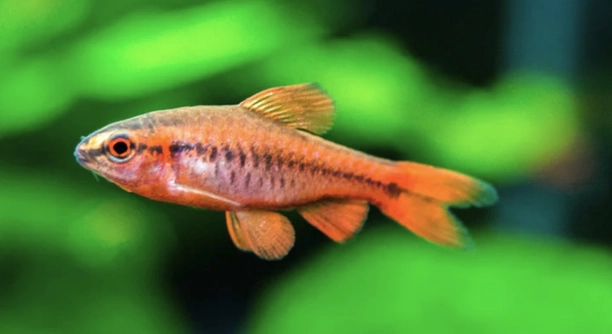
Cherry barbs are popular aquarium fish, known for their colorful appearance and peaceful nature. Understanding how they adapt to new environments can help you create a healthier and more comfortable space for them in your tank.
Cherry barbs often exhibit cautious and exploratory behavior when introduced to a new environment. They may hide initially, gradually adjusting to their surroundings. Over time, they will become more active and interact with the other fish in the tank.
Their reactions to new environments are shaped by factors such as tank size, water quality, and tankmates. Learning how to minimize stress for cherry barbs will help them thrive in your aquarium.
Cherry Barbs’ Initial Reaction to New Environments
When first introduced to a new environment, cherry barbs tend to be shy and cautious. This behavior is completely normal as they are adjusting to unfamiliar surroundings. They may swim close to plants or other objects for protection, seeking shelter to feel secure. As they get more comfortable, they will begin to explore the tank, moving around and interacting with their tankmates. The first few hours or even days might show limited activity, which is their way of assessing the new space.
They are highly sensitive to changes in their habitat, so giving them time to adapt is key. A stable environment will help ease their transition.
During this adjustment period, it’s important to avoid sudden changes in water temperature or adding new tankmates too quickly. These actions can further stress them. Offering them time to acclimate gradually ensures that they become active and enjoy their new home without unnecessary stress.
Tank Setup and Conditions
Tank setup plays a crucial role in how quickly cherry barbs adjust.
Proper water parameters like temperature, pH, and water hardness influence their comfort and health. A tank that mimics their natural habitat will make them feel more at ease. Cherry barbs thrive in stable environments, so keeping the tank clean and maintaining consistent conditions will help them adapt quicker. They appreciate having plenty of plants and decorations to explore. Providing hiding spots will reduce stress as they adjust to their new surroundings.
Impact of Tankmates on Cherry Barbs
Cherry barbs are peaceful and social, so the presence of compatible tankmates plays a significant role in their adaptation. They generally do well with non-aggressive species that are similarly sized. If there are aggressive fish in the tank, cherry barbs may become stressed, leading to decreased activity and health issues.
The right mix of fish can help cherry barbs feel more secure. They will thrive when surrounded by calm, friendly companions. Avoid overcrowding, as this can lead to competition for space and increase stress levels. Ideally, other peaceful species like tetras or small rasboras make good tankmates for cherry barbs.
It’s important to remember that cherry barbs can be timid, so overly aggressive or fast-moving tankmates can stress them out. Creating a peaceful community will help cherry barbs adjust to their new environment, encouraging them to feel safe and active. A well-balanced tank will ensure all fish can coexist without causing harm to each other.
Water Quality and Temperature
Water quality is essential for keeping cherry barbs healthy in their new environment. They thrive in clean, well-maintained water with stable parameters. Cherry barbs prefer water temperatures between 72°F and 80°F (22°C to 27°C), so it’s important to keep the tank’s temperature within this range.
Maintaining the right water conditions reduces the risk of stress and diseases. Be sure to perform regular water changes and test for ammonia, nitrites, and nitrates. High levels of these substances can lead to poor health and hinder their adjustment to the new tank. A good filtration system is also key to keeping the water clean and fresh.
Temperature fluctuations can cause stress, so it’s vital to avoid sudden changes. Cherry barbs will feel more secure in stable conditions, which will help them adjust faster and more comfortably. Keep the tank clean, maintain the right water parameters, and they’ll quickly settle in and feel at home.
Signs of Stress in Cherry Barbs
Cherry barbs can be sensitive to changes in their environment. When stressed, they may become less active, hide more often, or display erratic swimming. They may also lose their vibrant color, appearing pale or dull. These signs indicate that something in their environment may need adjustment.
If you notice your cherry barbs showing signs of stress, check the water quality, temperature, and tankmates. Stress can also result from overcrowding or aggressive behavior from other fish. Addressing the underlying issues promptly will help your cherry barbs adjust and feel more at ease.
Feeding and Cherry Barbs’ Adjustment
Cherry barbs will begin to eat normally once they have settled into their new home. However, they may initially eat less as they get used to their surroundings. Offering a variety of foods can encourage them to eat more. This can include flakes, pellets, or live food like daphnia.
Gradually, as they become more comfortable, they will regain their usual feeding habits. Keep in mind that overfeeding can lead to water quality problems, which can further stress the fish. Therefore, monitor feeding amounts and ensure you are providing balanced nutrition to promote their health and adjustment.
Monitoring Behavior Over Time
It’s important to observe your cherry barbs regularly to ensure they are adjusting well. Over time, their behavior should become more relaxed as they get used to the new environment. They should be swimming more freely and interacting with tankmates.
If the stress signs persist, it’s necessary to reevaluate the setup and make changes. Keep track of their progress and adjust conditions as needed to help them settle in. This can include adjusting water parameters or adding more hiding spots to make them feel secure.
FAQ
What is the ideal tank size for cherry barbs?
Cherry barbs are relatively small fish, but they still need space to thrive. A tank that is at least 20 gallons is ideal for a small group. This size provides enough space for the fish to swim freely and for you to create a comfortable environment with plants and hiding spots. Smaller tanks can cause overcrowding, which increases stress and limits movement. For each additional cherry barb, consider increasing the tank size by a few gallons. A larger tank also helps maintain better water quality, which is essential for their health.
Can cherry barbs live with other fish?
Yes, cherry barbs are peaceful and can live with a variety of other fish. They generally do well with small, non-aggressive species. Fish like tetras, rasboras, and other barbs are good tankmates. However, it’s best to avoid aggressive fish or those that might bully them. Cherry barbs are social and thrive in groups, so having at least 4-6 in a tank helps them feel more secure. They may get stressed if they’re the only fish in the tank or if their tankmates are overly aggressive.
How do I acclimate cherry barbs to a new tank?
Acclimating cherry barbs to a new tank should be done slowly and carefully to reduce stress. Begin by floating the bag containing the cherry barbs in the new tank for about 15-20 minutes to match the temperature. After that, slowly add small amounts of tank water to the bag every 5 minutes. This helps them adjust to the water parameters. Once they’ve acclimated, gently release them into the tank. Avoid placing them directly into the tank without acclimating, as sudden changes in water temperature or quality can cause stress.
How often should I feed my cherry barbs?
Cherry barbs are not picky eaters and will accept a variety of foods. It’s best to feed them once or twice a day. Overfeeding can lead to poor water quality, which can stress the fish. Offer a balanced diet that includes high-quality flakes or pellets, along with occasional live or frozen food like brine shrimp, daphnia, or bloodworms. Be sure to feed in small amounts, only giving them what they can eat in a few minutes. This helps maintain water quality and keeps your cherry barbs healthy.
How can I tell if my cherry barbs are healthy?
Healthy cherry barbs will be active, swim freely, and show vibrant colors. They will interact with other fish and explore the tank. Their fins should be fully extended, and they should not appear lethargic or overly timid. If your cherry barbs are hiding frequently, have faded colors, or are swimming erratically, these may be signs of stress or illness. Keep an eye on their behavior and ensure the water quality remains optimal. If you notice any unusual behavior, it’s important to investigate potential water problems or diseases.
What should I do if my cherry barbs are stressed?
If your cherry barbs are showing signs of stress, the first thing to do is check the water quality. Test for ammonia, nitrites, and nitrates, and ensure the temperature is stable. Poor water quality is the most common cause of stress. Additionally, check if there are any aggressive tankmates or if the tank is overcrowded. Providing more hiding spots and plants can also reduce stress by giving them places to feel secure. Avoid making rapid changes in their environment, as this can cause further stress.
Are cherry barbs hard to care for?
Cherry barbs are relatively easy to care for, making them a good choice for beginners. They are not demanding when it comes to water conditions, as long as the water is clean and stable. However, they do require a peaceful environment, so it’s important to choose compatible tankmates. Regular water changes, proper filtration, and a well-maintained tank will keep your cherry barbs healthy and happy. As long as their basic needs are met, they will thrive in most home aquariums.
Can I keep cherry barbs in a tank with live plants?
Yes, cherry barbs do well in tanks with live plants. In fact, they often thrive in environments where there are plenty of plants. Plants provide hiding places, help maintain water quality, and mimic their natural habitat. Cherry barbs enjoy swimming through plants, and the additional cover will help them feel secure. However, make sure that the plants you choose are not too large or invasive, as they could crowd the tank or block the fish’s movement. Low-light plants like java fern, anubias, or moss are great choices.
What water parameters do cherry barbs prefer?
Cherry barbs prefer slightly acidic to neutral water with a pH range of 6.5 to 7.5. They thrive in temperatures between 72°F and 80°F (22°C to 27°C). Hardness should be kept at a moderate level, around 5 to 15 dGH. Consistent water conditions are important for their health, so be sure to monitor the water quality regularly. Keeping the water stable and clean is key to reducing stress and ensuring that your cherry barbs stay healthy.
How long do cherry barbs live?
On average, cherry barbs live for about 3 to 5 years when kept in optimal conditions. Their lifespan can vary depending on factors such as water quality, diet, and tank mates. Providing them with a stable environment, regular feeding, and proper care can help them live a full, healthy life. If you notice any signs of illness or stress, addressing these issues quickly can also extend their lifespan. Regular water changes and maintenance will go a long way in promoting their long-term health.
Final Thoughts
Cherry barbs are a great choice for many aquarium enthusiasts due to their peaceful nature and vibrant colors. These small fish are easy to care for as long as their basic needs are met. Creating a proper environment for them, with stable water parameters, enough space, and compatible tankmates, will ensure they thrive. The most important factors to focus on are water quality, temperature, and avoiding stressors like overcrowding or aggressive fish. With the right conditions, cherry barbs can live a healthy and happy life in your tank.
While cherry barbs are generally hardy, it’s important to keep a close eye on their behavior, especially when they are first introduced to a new tank. Stress can be a major issue, but it is often preventable by keeping their environment stable. Over time, they will become more active and comfortable, and you’ll likely notice their vibrant colors returning. Feeding them a balanced diet, monitoring their health, and giving them plenty of space to swim will help them feel secure. In return, they’ll bring a beautiful burst of color to your aquarium.
By understanding their needs and providing a calm, stable environment, you can ensure that your cherry barbs adjust well to their new home. Whether you’re a beginner or experienced aquarist, these fish are a rewarding addition to any tank. With their peaceful nature and adaptability, they fit well into community tanks with the right companions. Just remember to monitor their health, avoid sudden changes, and give them plenty of time to adjust. Cherry barbs are low-maintenance but still require attention to thrive, making them an excellent choice for anyone looking to add beauty to their aquarium.

Hello,
If you enjoy the content that we create, please consider saying a "Thank You!" by leaving a tip.
Every little bit helps us continue crafting quality advice that supports the health, happiness, and well-being of pets around the world, for pets of all shapes, sizes, and species.
We really appreciate the kindness and support that you show us!