
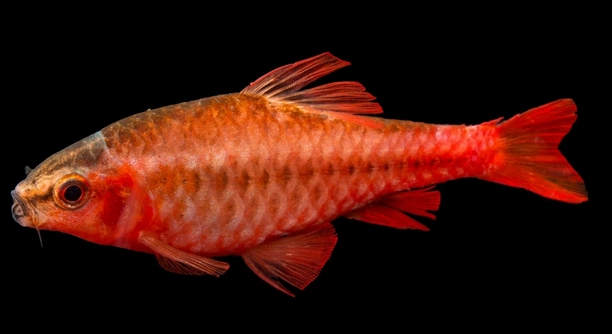
Have you ever stood near your aquarium, holding a bit of food, and wondered if your Cherry Barb might eat from your hand?
Cherry Barbs can be hand fed with patience and the right approach. These small, peaceful fish may eventually learn to associate your presence with food, especially in a calm environment with minimal stress and consistent feeding routines.
Training your Cherry Barb to eat from your hand can be a gentle, rewarding experience when done with care and consistency.
Understanding Cherry Barb Behavior
Cherry Barbs are naturally shy and tend to avoid sudden movements or loud sounds. They often stay in the middle or lower parts of the tank and prefer swimming in schools. Because of this, hand feeding them requires a quiet and calm setting. If they feel safe, they are more likely to come closer. They also learn by association. Over time, they may begin to connect your hand with food, especially if feeding is done at the same time and in the same way each day. It’s important not to rush this process. Let them take their time. Start by standing near the tank without placing your hand inside. Gradually get closer during feeding times. Once they seem comfortable, gently place your hand in the water with some food. Be still. If one approaches, the others may follow. Their comfort level depends a lot on how secure they feel in their environment.
Keep your movements slow and your voice low around the tank.
Make sure the tank has enough plants or hiding spaces so they feel protected. Once they know they can retreat, they are more likely to explore and interact. Avoid reaching in suddenly or chasing them with your hand, as this will only increase their fear and slow any progress. Feeding them with your hand is about building a routine and staying calm each time. Don’t expect quick results—some fish may take a few weeks to respond. Using their favorite treats can help, especially small pieces that float and are easy for them to spot. If they hesitate, try holding the food just below the surface and allow them to approach when ready.
Steps to Hand Feed Cherry Barbs
Start by offering food at the same spot and time every day.
Once they are used to your presence, place your hand near the water’s surface without food to see how they react. If they stay calm, you can begin offering food directly from your fingers. Start with small portions and don’t move your hand much. Use floating foods or slow-sinking pellets that are easy to hold. Let the fish come to you. If they don’t eat the first time, try again the next day. Patience is important. Avoid tapping the glass or making quick movements, as this will scare them off. Keep feeding sessions short at first—just a few minutes. If they show interest, you can slowly increase the time and food offered. After a while, some Cherry Barbs may begin to eat from your hand regularly. Every fish is different, so don’t worry if it takes time. Keep the routine consistent and they may start to trust you more with each feeding.
Best Foods for Hand Feeding
Use small, slow-sinking foods like micro pellets, crushed flakes, or live brine shrimp. These are easy for Cherry Barbs to see and eat. Avoid large or fast-sinking food that drops too quickly. Soft, bite-sized portions work best when feeding directly from your fingers.
Frozen or live foods such as daphnia and brine shrimp are excellent choices. They are high in protein and grab the attention of Cherry Barbs due to their movement. If using flakes or pellets, slightly crush them to make them easier to handle and more appealing to the fish. Feeding treats occasionally can help build trust. Do not overfeed—give only what they can finish in a couple of minutes. Uneaten food can sink and affect water quality. When holding food, pinch it gently between your fingers and keep your hand still, so the fish can focus and approach without feeling threatened.
It’s helpful to rotate food types to keep the fish interested and healthy. Variety also ensures a more balanced diet. If you notice they prefer one type, use it during hand-feeding attempts. You can also soak dry food in a bit of tank water to soften it, making it easier to offer and reducing mess. Avoid greasy or oily foods, as they can cause cloudiness in the water and leave residue on your hands. Stick with clean, easy-to-manage options. Also, consider how food breaks apart—crumbly food can make feeding harder, especially when trying to keep it between your fingers. Keeping things simple and consistent will give you better results over time.
Mistakes to Avoid When Hand Feeding
Don’t rush the process. If your fish swim away, stop and try again another time. Forcing interaction can break trust.
Avoid feeding too often or offering too much at once. Overfeeding can lead to waste buildup, poor water conditions, and unhealthy fish. Also, don’t expect all your Cherry Barbs to respond the same way. Some may take longer to approach. Stay consistent, but also watch their behavior. If they show signs of stress, take a break. Never use your hand if there are signs of illness in the tank—this can spread germs or disturb weaker fish. Feeding should always be gentle and stress-free.
Be mindful of tank conditions. A dirty tank or sudden changes in temperature can affect behavior and make fish less likely to interact. Make sure your hands are clean and free of soap or lotion before putting them in the tank. Never chase the fish with your hand or block their hiding spots. This can make them nervous and damage their trust. Keep the environment quiet, especially during feeding times. Loud noises or fast movements can ruin your progress. Patience, consistency, and a calm presence are the most important parts of successful hand feeding.
How Long It Takes to Hand Feed
It usually takes one to three weeks for Cherry Barbs to feel comfortable enough to eat from your hand. The timeline depends on how often you try and how calm their environment is. Some may take longer, especially if they’re naturally more timid.
If they show interest early on, that’s a good sign. Even swimming near your hand means they’re getting more comfortable. Keep the process steady. Daily, quiet sessions help. If they avoid you for a few days, it’s okay—just go back a step and give them time to rebuild trust.
Signs Your Cherry Barb Is Ready
Watch for small signs like them swimming closer to your hand during feeding or hovering near the usual feeding spot. If they no longer scatter when you place your hand near the surface, it shows they’re adjusting. Eating food that’s held close is another sign they’re almost ready.
When to Stop Hand Feeding
Stop hand feeding if your Cherry Barb starts hiding more often or ignoring food altogether. These are signs of stress or possible health issues. Regular feeding from a distance may be better until they feel safe again.
FAQ
How can I tell if my Cherry Barb is stressed during hand feeding?
If your Cherry Barb starts darting around the tank, hiding more than usual, or refusing food, these can be signs of stress. Stress can be caused by sudden movements, loud noises, or poor water quality. To reduce stress, try to feed them in a quiet, stable environment and avoid sudden hand movements. Keep your hand still and ensure your fish feel safe. If they seem stressed, take a break and try again later, allowing them time to calm down.
Can I hand feed my Cherry Barb in a community tank?
Yes, you can hand feed your Cherry Barb in a community tank, but it may take some extra patience. Other fish might compete for food, and your Cherry Barb could feel threatened or crowded. To avoid this, feed your Cherry Barb separately or make sure there’s enough food for everyone. Hand feeding works best when other fish aren’t too aggressive during feeding time. You can also try feeding smaller portions to help your Cherry Barb get its share without being disturbed.
What if my Cherry Barb doesn’t want to eat from my hand?
If your Cherry Barb isn’t interested in eating from your hand, don’t worry. It may just take longer for them to feel comfortable. Some fish are naturally more cautious than others. You can try placing food near your hand and wait for them to swim closer. If they still don’t seem interested, try a different type of food or try feeding them at a different time of day. Consistency is key, so keep trying in a calm, quiet environment.
What is the best food for hand feeding Cherry Barbs?
The best food for hand feeding Cherry Barbs includes small, floating pellets, micro-pellets, or live foods like brine shrimp or daphnia. These foods are easier for them to spot and pick up from your fingers. Avoid large pellets or sinking food that could fall too quickly. Make sure the food is small enough for them to handle comfortably. It’s also good to rotate different food types for variety and to keep your Cherry Barbs interested.
Can I use flakes for hand feeding my Cherry Barb?
Yes, you can use flakes for hand feeding your Cherry Barb. However, it’s best to crush them into smaller pieces before offering them. This will make it easier for your Cherry Barb to eat and prevent the flakes from floating away too quickly. Flakes should be small enough that the fish can pick them up easily with their mouths. If you notice that flakes are causing a mess in the tank, try switching to micro-pellets or other options.
How often should I feed my Cherry Barb by hand?
Feed your Cherry Barb by hand once or twice a day, depending on how much they can eat in a few minutes. Overfeeding can lead to water quality issues and stress. Small, frequent feedings are ideal. If they eat everything quickly, try offering food in short intervals throughout the day. Always monitor the tank to make sure no food is left uneaten. Removing leftover food is important to prevent it from breaking down and polluting the water.
Can Cherry Barbs hand feed from a distance?
Cherry Barbs can learn to hand feed from a distance if they associate your hand with food. Hold the food near the surface of the water and remain still, allowing the fish to approach at their own pace. Over time, they might come closer to your hand as they get more comfortable. Some fish might not come as close but will still swim near your hand and eat the food. The distance varies depending on the fish’s level of trust and comfort.
How do I get my Cherry Barb to approach my hand?
To get your Cherry Barb to approach your hand, start by placing your hand near the water’s surface without offering food. Allow them to get used to your presence. If they approach cautiously, reward them with food. Gradually, they’ll begin to associate your hand with feeding and may get closer over time. Keep movements slow and avoid making any sudden gestures. Patience and consistency will help them build trust.
Why isn’t my Cherry Barb coming near my hand?
There could be several reasons why your Cherry Barb isn’t coming near your hand. They may still be adjusting to the idea of human interaction or could feel unsafe in the tank. Make sure your hand feeding sessions are calm and stress-free. Check the water quality, as poor conditions can also make them hesitant to interact. If other fish are more aggressive, it might make your Cherry Barb feel less comfortable. Try to hand feed in a peaceful, low-stress environment for the best results.
Is hand feeding Cherry Barbs safe?
Hand feeding Cherry Barbs is safe as long as you keep the tank clean, feed appropriate food, and avoid stress. However, it’s important to wash your hands before feeding to avoid introducing any chemicals or oils. If you have any skin products, like lotion or soap, on your hands, this could affect the water quality and harm the fish. Always keep the feeding sessions gentle and avoid chasing the fish or forcing them to eat from your hand.
Final Thoughts
Hand feeding Cherry Barbs can be a rewarding experience, but it requires patience and consistency. These small fish can learn to trust you and recognize your hand as a source of food, making them more likely to approach. However, it’s important to remember that not every fish will be ready to eat from your hand immediately. The process can take a few weeks, and each fish is different. Some may become comfortable quickly, while others may take longer to warm up. Staying calm, being gentle, and repeating the process daily will help your Cherry Barb feel more secure over time.
While hand feeding, ensure the tank’s conditions are ideal. Poor water quality, improper temperature, or tank mates that are too aggressive can make it harder for your Cherry Barb to feel safe enough to interact with you. By maintaining a clean tank and providing hiding spots, you give your Cherry Barb the space they need to relax and gain confidence. Additionally, offering food that is appropriate for their size and type of feeding habits is essential for success. Small floating pellets or live foods work best for attracting them to your hand. Overfeeding or providing the wrong type of food can also stress them out or affect water quality.
Overall, hand feeding is a gentle way to build a connection with your Cherry Barb, but it should always be done in a way that respects their comfort and safety. Be patient and adjust your approach as needed. If your Cherry Barb doesn’t immediately respond, don’t worry. As long as you continue to feed them consistently and calmly, they will eventually become accustomed to the idea of eating from your hand. Keep the experience as stress-free as possible, and with time, your Cherry Barb may surprise you by confidently swimming up for a bite from your fingers.

Hello,
If you enjoy the content that we create, please consider saying a "Thank You!" by leaving a tip.
Every little bit helps us continue crafting quality advice that supports the health, happiness, and well-being of pets around the world, for pets of all shapes, sizes, and species.
We really appreciate the kindness and support that you show us!