
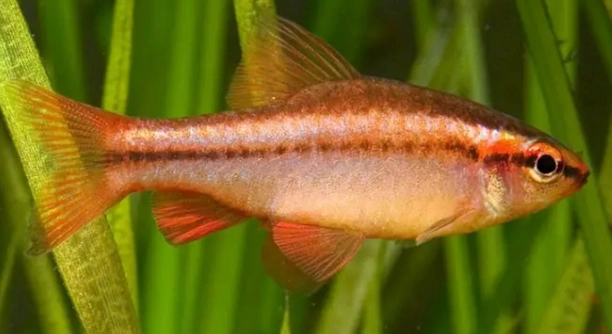
Cherry barbs are small, lively fish that thrive in aquariums, often requiring special attention to their diet. Knowing how often to feed them can be a bit tricky for new fish keepers, but it’s crucial for their well-being.
To ensure your cherry barbs stay healthy, feed them 2-3 times a day, offering small portions that they can consume in a few minutes. This feeding routine helps maintain their energy levels and prevents overfeeding, which can harm their tank environment.
Understanding the right feeding schedule for your cherry barbs is essential for their overall health. This will ensure they stay happy and thrive in your aquarium environment.
Feeding Frequency for Cherry Barbs
Feeding cherry barbs the right amount at the right times is key to their health. These fish are active and need enough food to support their energy levels, but overfeeding can lead to health problems and water quality issues. Since they are small, their stomachs are not very large, and they can’t handle big meals. It’s best to feed them small amounts several times a day rather than a large meal at once. A regular feeding schedule also helps them adjust to their environment and stay comfortable. It’s important not to skip feedings, as they may become stressed or weak.
Feeding cherry barbs 2-3 times a day ensures they get enough nutrients without overfeeding. This practice allows them to grow healthy and stay active in your aquarium. Make sure to offer small portions that they can finish within a few minutes.
Maintaining consistency in their feeding routine helps avoid water contamination and excess waste. Fish food, such as flakes or pellets, should be appropriate for the size of your cherry barbs. Make sure you only feed them what they can eat in a few minutes to prevent leftovers from polluting the tank. If you are unsure of the amount, start with a small portion and adjust as needed. If you find that some food sinks to the bottom without being eaten, you may be feeding them too much. Regular water changes will also help maintain a clean environment for your cherry barbs.
Best Types of Food for Cherry Barbs
Cherry barbs are omnivores, so they enjoy a variety of foods. Their diet should consist of both plant-based and protein-rich foods to keep them healthy and active. High-quality fish flakes or pellets designed for small fish will provide the right balance of nutrients. These types of food are usually formulated to meet their dietary needs, and they are convenient to use. In addition to commercial food, you can occasionally supplement their diet with live or frozen foods like brine shrimp, daphnia, or bloodworms. These treats can offer added protein and variety, making their diet more interesting.
Offering a combination of high-quality pellets and occasional live foods keeps your cherry barbs healthy and satisfied. Always ensure that the food is suitable for their size and nutritional needs. Avoid feeding them large food items that may be difficult to digest. Keep their meals balanced by rotating between different types of food.
Live foods are a great option for your cherry barbs but should be given sparingly. Overfeeding them with live food can cause digestive problems or lead to water quality issues. If you use frozen foods, ensure that they are thawed properly before feeding. It’s important to remove any uneaten food from the tank within a few minutes of feeding to prevent it from rotting. Clean and healthy water is just as important as good food, so always monitor both food intake and water quality.
Overfeeding and Its Consequences
Overfeeding can lead to several problems in your aquarium, including poor water quality. Excess food breaks down into waste, raising ammonia levels, which is harmful to fish. When cherry barbs eat more than they can handle, they may also experience digestive issues like bloating or constipation. This stresses them out and lowers their immune system.
A common sign of overfeeding is leftover food floating on the water’s surface or settling on the tank floor. If this happens frequently, you may need to reduce the amount of food you offer. Monitoring their eating habits and cleaning up any uneaten food quickly is essential to maintaining water health. Overfeeding also leads to increased algae growth, which can make your tank look untidy and put extra strain on your filtration system.
Excessive food not only impacts the fish but also affects the environment. Ammonia and nitrites in the water harm fish, causing stress and disease. With proper feeding amounts, you can maintain water quality and avoid these negative effects. Cherry barbs are small, and their food intake should match their size. If you’re unsure about the quantity, start with a small amount and observe how they handle it. Adjusting portions based on their behavior helps keep them healthy.
Signs Your Cherry Barbs Are Hungry
If you notice your cherry barbs actively swimming around the tank, especially near the water’s surface or in areas where food is usually dropped, it’s likely they’re hungry. They may also exhibit increased movement or agitation when they know feeding time is near. These behaviors are signs that they’re looking for food and expecting it soon.
In addition to movement, cherry barbs will often display active foraging behavior, searching for food around plants, decorations, or on the substrate. If they’re consistently swimming and acting lively, they’re probably not overfed and still hungry. However, if they’re sluggish or hiding, they may have had too much to eat or could be stressed.
Keeping track of your fish’s eating habits helps determine their hunger levels. If they swim excitedly when food is introduced, they’re likely ready for a meal. But if they seem disinterested or leave food uneaten, you may be overfeeding or not offering the right type of food. This helps you find a balanced routine for feeding.
Adjusting Feeding Based on Tank Conditions
The conditions in your tank play a role in how much food your cherry barbs need. Warmer water can speed up their metabolism, causing them to need slightly more food. Cooler water may slow them down, requiring less frequent feedings. Always monitor the water temperature to ensure you’re providing the right feeding schedule.
The size of the tank also matters. In smaller tanks, excess food can build up faster, affecting water quality. Larger tanks tend to have better filtration and more space for food to be spread out. Adjust your feeding accordingly to avoid waste buildup.
Variations in Cherry Barb Diet by Age
Young cherry barbs, like most fish, need more protein to support their growth and development. You may need to provide more frequent feedings with higher-protein foods, like live or frozen foods. As they mature, their diet can become more balanced, with equal parts plant and protein-based foods.
Older cherry barbs may require slightly less food, as their growth rate slows down. It’s important to monitor their health closely to avoid overfeeding them. Adjusting their food type and portions can help maintain a healthy weight and keep them active.
Feeding Cherry Barbs in Groups
Cherry barbs are social and do best in groups. When feeding multiple barbs, ensure each one gets their share by spreading the food evenly throughout the tank. This helps avoid competition, ensuring all fish get enough to eat.
Feeding them in groups also encourages natural behavior, such as foraging and swimming together.
FAQ
How often should I feed my cherry barbs?
Cherry barbs should be fed 2-3 times a day, offering small portions that they can eat within a few minutes. This helps prevent overfeeding while providing enough energy to keep them active and healthy. It’s important to establish a routine, ensuring they don’t go too long without food, but also avoiding excessive amounts.
Can I feed cherry barbs once a day?
Feeding cherry barbs once a day is not ideal. They are active and small fish, so they require more frequent meals to meet their energy needs. If you can’t feed them multiple times a day, try splitting their daily portion into two smaller meals. This will better match their natural feeding habits.
What food should I give cherry barbs?
Cherry barbs are omnivores, so they need a balanced diet of both plant and protein-based foods. High-quality flake or pellet food designed for small fish works well. You can also occasionally offer live or frozen foods like brine shrimp, daphnia, or bloodworms to give them extra protein.
How do I know if I’m overfeeding my cherry barbs?
Overfeeding signs include leftover food floating or sinking to the bottom of the tank, poor water quality, and excessive algae growth. If your cherry barbs aren’t eating all the food within a few minutes, you’re probably offering too much. Adjust portions accordingly, and remove any uneaten food promptly.
Can cherry barbs eat algae wafers?
Yes, cherry barbs can eat algae wafers, but they should only be given occasionally. While they enjoy nibbling on algae, they need a more varied diet to stay healthy. Algae wafers are great as a supplement but shouldn’t be the main part of their diet.
Should I feed cherry barbs live food?
Live food can be a healthy treat for cherry barbs and offers extra protein. However, it should not be the main part of their diet. Use live food like brine shrimp or bloodworms sparingly to provide variety and nutritional balance, ensuring you don’t overfeed them.
How can I prevent my cherry barbs from competing for food?
To prevent competition among cherry barbs, scatter food around the tank, especially if you have several in a group. This helps each fish get its fair share. You can also feed them in smaller portions and offer food in different parts of the tank to reduce aggression and competition.
Can cherry barbs survive without food for a few days?
Cherry barbs can survive for a short period without food, typically 2-3 days, but it’s not recommended. While they can go without food in emergency situations, prolonged fasting will weaken them and affect their health. Always ensure they have a regular feeding schedule to keep them healthy.
How much should I feed my cherry barbs based on their size?
The amount you feed your cherry barbs depends on their size. For small cherry barbs, a pinch of flakes or pellets is enough. Larger or more active barbs may need slightly more. Always provide portions that they can consume within a few minutes to avoid overfeeding.
Is it necessary to feed cherry barbs at the same time each day?
Feeding your cherry barbs at the same time each day helps establish a routine, which they can learn. While it’s not absolutely necessary to feed them at the exact same time, consistency will help them adjust to their feeding schedule and reduce stress.
What if my cherry barbs are not eating?
If your cherry barbs are not eating, it may be due to stress, water quality issues, or illness. Ensure that the water temperature, pH, and other parameters are within the ideal range. If they continue to refuse food, observe for other signs of illness and consider consulting an aquarium expert.
Can I feed cherry barbs freeze-dried food?
Freeze-dried food is fine for cherry barbs in moderation, but it should not be their main source of nutrition. Freeze-dried foods can lose some nutritional value and may cause constipation if fed too often. It’s best to offer freeze-dried food as an occasional treat alongside their regular diet.
Should I feed cherry barbs before or after a water change?
It’s best to feed cherry barbs after a water change. This ensures that the water quality is stable and that the fish are not disturbed or stressed by feeding before a water change. Waiting a little while after the change also gives them time to adjust to the new water conditions.
How can I ensure my cherry barbs are getting the right nutrients?
To provide balanced nutrition, feed a mix of high-quality flake or pellet food along with occasional live or frozen foods. Make sure the food you offer is specifically formulated for small omnivorous fish. By varying their diet and offering different food types, you can meet all their nutritional needs.
Can cherry barbs eat vegetables?
Yes, cherry barbs can eat vegetables. Blanched spinach, zucchini, or peas are good options for adding variety to their diet. Vegetables provide essential nutrients like fiber, which aids digestion. Remember to remove any uneaten veggies from the tank to prevent them from decaying and affecting water quality.
Do cherry barbs need to eat at night?
Cherry barbs are not nocturnal feeders, so they don’t require food at night. They are most active during the day, and feeding them once or twice during daylight hours will meet their needs. Avoid feeding them late at night, as leftover food can negatively impact water quality by morning.
How long can cherry barbs go without food when on vacation?
If you’re away for a few days, cherry barbs can usually go without food for 2-3 days. For longer periods, it’s best to arrange for someone to feed them or use an automatic fish feeder. Long periods without food can weaken them, so it’s important to make sure they’re cared for while you’re gone.
Are there specific foods that cherry barbs prefer?
While every fish has individual preferences, cherry barbs tend to enjoy a mix of foods. They often prefer small pellets or flakes, but many also enjoy the occasional live treat like brine shrimp or daphnia. Offering variety in their diet ensures they get the right nutrients and keeps them satisfied.
Final Thoughts
Feeding your cherry barbs properly is crucial for their health and well-being. By providing them with the right amount of food at the right times, you can ensure they stay active and healthy in your aquarium. Overfeeding is a common mistake that can lead to water quality issues, so it’s important to avoid giving them too much at once. Smaller portions spread throughout the day are ideal for keeping their digestive systems healthy and preventing excess waste in the tank. Remember, it’s not just about how much you feed them, but also the type of food you provide.
The right food for cherry barbs includes both plant-based and protein-rich options, like high-quality fish flakes, pellets, and occasional live or frozen foods. A varied diet will help provide the necessary nutrients to support their energy levels and growth. Keep in mind that young cherry barbs may require slightly more protein, while older ones may need less food overall. The key is to observe their behavior and adjust the feeding amount to their needs. Always make sure that you are providing enough food for all your barbs, especially if you have a group, so they don’t have to compete for food.
Lastly, regular monitoring of water quality and feeding habits is essential. If you notice any leftover food or changes in your fish’s behavior, it’s a sign to adjust their feeding schedule. By maintaining a consistent feeding routine and paying attention to their needs, you can help your cherry barbs thrive in your aquarium. Keeping their tank clean and free of uneaten food is just as important as feeding them the right way. A healthy tank environment, combined with proper feeding, will ensure your cherry barbs live long, happy lives.

Hello,
If you enjoy the content that we create, please consider saying a "Thank You!" by leaving a tip.
Every little bit helps us continue crafting quality advice that supports the health, happiness, and well-being of pets around the world, for pets of all shapes, sizes, and species.
We really appreciate the kindness and support that you show us!