
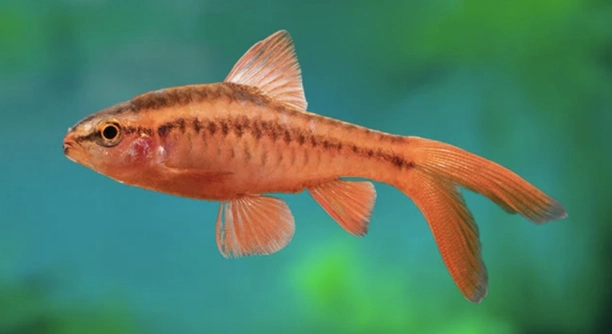
Are your Cherry Barbs acting out more than usual, chasing each other or picking fights with tankmates for no clear reason?
Cherry Barb aggression often stems from overcrowding, lack of hiding spots, or imbalance in male-to-female ratio. These conditions increase stress, disrupt social harmony, and trigger territorial behavior, especially during breeding periods.
Recognizing these signs early can help you make simple changes that lead to a calmer, more balanced tank environment.
1. Chasing Other Fish
Cherry Barbs may start chasing their tankmates when they’re feeling territorial or stressed. This often happens if there are too many fish in the tank or not enough plants and decorations to break up lines of sight. Males, especially, can become competitive when there aren’t enough females around. If they’re constantly darting after others, they may be trying to assert dominance or protect a chosen space. This behavior can lead to injuries, especially for more peaceful fish who don’t fight back. Keeping your fish comfortable starts with giving them a stable environment where they don’t feel threatened.
To help reduce chasing, make sure your tank isn’t overcrowded.
Add plenty of live plants and decorations so fish have places to hide and escape unwanted attention. Aim for a male-to-female ratio of 1:2 or even 1:3 to minimize competition. When males feel less pressure to compete, they often calm down. A larger tank also allows for more personal space, which lowers stress. If aggression continues, consider separating more aggressive individuals temporarily. This allows the others to recover and helps reset social dynamics. Consistent water quality and a peaceful tank setup can go a long way in reducing constant chasing behavior.
2. Nipping at Fins
Nipping is a sign your Cherry Barb may be feeling anxious or overstimulated.
Barbs tend to nip when they don’t have enough space or when they’re overstimulated by flashy tankmates. Bright-colored fish with flowing fins can attract unwanted attention. It’s best to keep Cherry Barbs with calm, short-finned species that don’t trigger this behavior. Watch for repeated biting or frayed fins.
Avoid placing Cherry Barbs with fish like Bettas or Guppies that have long, flowing tails. These tend to provoke more aggressive behavior. A tank that’s too small can also increase stress, which makes nipping worse. Upgrade to a tank of at least 20 gallons if possible. Include plenty of plants and driftwood for natural barriers. This breaks up the line of sight and gives fish more room to move without clashing. Feeding regularly and offering variety in food helps, too. Fish that are underfed may nip out of frustration or hunger. Keep your Cherry Barbs stimulated with a mix of flakes, frozen foods, and the occasional treat.
3. Guarding a Specific Spot
Cherry Barbs may start defending one area of the tank, especially if it’s shaded or has dense plants. This is often tied to breeding behavior or a strong sense of territory. Males, in particular, will guard these areas and chase away anything that comes near.
This guarding behavior becomes more common during breeding times. Males choose a section of the tank, usually one with thick plants or a cave-like structure, and stick close to it. They’ll flare their fins, chase away other fish, and even nip at those who linger nearby. This may look aggressive, but it’s instinctual. If there are too many males and not enough hiding spots, this behavior increases. To ease the tension, try rearranging decorations regularly and add more plants. This changes the layout and helps disrupt fixed territories, giving the fish a chance to reset their social behavior naturally.
When Cherry Barbs guard one area too much, it can limit the tank space for others. Less dominant fish may feel cornered and start to show signs of stress like hiding constantly or refusing to eat. A tank with evenly spaced plants and objects allows more equal access to shelter. Spread decorations across the tank rather than grouping them in one spot. This gives each fish room to breathe and reduces aggressive guarding. Observe the fish daily to see if aggression improves after changes. Sometimes, even small adjustments in layout can have a big effect on how fish interact.
4. Color Changes During Fights
During conflicts, Cherry Barbs often show a deeper red or darker tone, especially the males. This color change signals arousal or stress, and it’s one of the first signs they’re preparing for a confrontation. Flaring fins and fast swimming often come next, especially in tanks with too many males.
When their colors intensify, it usually means the fish is trying to look more dominant. This can be temporary or last as long as the aggression continues. Males may go after rivals with more intensity once they’ve changed color. To reduce this, aim for a calm environment with stable water parameters. Fluctuations in pH or temperature can make Cherry Barbs more reactive. Regular water changes, a steady feeding schedule, and balanced lighting can help keep aggression levels down. Limit sharp lighting and avoid sudden changes in tank setup, as this may also trigger stress and competition.
If color changes are frequent and accompanied by chasing or fin flaring, it’s worth reviewing your male-to-female ratio and tank size. A group of Cherry Barbs should ideally be kept in a larger tank where they can form loose schools and have space to move around. Make sure the males aren’t outnumbering the females. Consider adding floating plants to diffuse lighting, as harsh brightness can make fish more territorial. If the environment feels safer and more natural, Cherry Barbs usually calm down and their color fades back to normal.
5. Chasing During Feeding Time
Cherry Barbs can get pushy during feeding, especially if they feel food is limited. They may dart around, nudging or chasing others to get to the flakes first. This can create stress and lead to more serious fights.
Feed your fish in small portions, spaced out across the tank. This gives everyone a fair chance to eat and lowers the chance of aggressive behavior. Overfeeding can also cloud the water, which leads to even more stress and poor health.
6. Flaring Fins Often
Flaring is used to show off or intimidate. If your Cherry Barbs flare their fins frequently, they might be stressed or feeling competitive. This usually happens in smaller tanks or when too many males are kept together. Flaring looks pretty, but too much of it can wear them out.
7. Damaged Scales or Fins
Look for torn fins, missing scales, or scratches on their bodies. These are signs of ongoing aggression that’s gone too far. Even mild fighting can leave marks if it keeps happening every day. Injured fish are also more likely to get sick. Addressing the root cause early is important.
FAQ
Why are my Cherry Barbs suddenly acting aggressively?
Sudden aggression in Cherry Barbs is usually tied to stress, changes in their environment, or breeding behavior. If you recently added new fish, changed the tank layout, or adjusted lighting, it can trigger aggressive instincts. Males are especially reactive to competition during mating periods. They may start chasing, nipping, or flaring to claim space or impress females. Check for changes in water temperature or pH, as those can make fish more sensitive. Poor water conditions, lack of hiding spots, or overcrowding also lead to defensive and dominant behavior. Restoring a calm, steady tank environment can often reduce these behaviors quickly.
How many Cherry Barbs should I keep together to avoid aggression?
A good group size is 6–10 Cherry Barbs, with more females than males. A 1:2 or 1:3 male-to-female ratio works well. When males outnumber females, they start chasing and competing more. Cherry Barbs are naturally social and do best in groups, but too many in a small space creates tension. A group that’s too small can lead to bullying, while a group that’s too large for the tank size can cause stress. Make sure your tank is at least 20 gallons. A long tank is better than a tall one, since it gives them more room to swim and stay out of each other’s way.
Can Cherry Barbs live with other types of fish peacefully?
Yes, Cherry Barbs can get along with many peaceful community fish. They do best with calm species like Corydoras, Harlequin Rasboras, and Neon Tetras. Avoid keeping them with long-finned or flashy fish like Bettas or Fancy Guppies, as this may trigger chasing or fin-nipping. Also avoid housing them with aggressive or much larger fish, since Cherry Barbs are relatively small and might get bullied. Always introduce tankmates gradually and monitor interactions over a few days. Provide plenty of hiding places and decorations so all species have space to relax without being constantly in view.
Do Cherry Barbs need a heavily planted tank?
Yes, live plants help a lot in reducing stress and aggression. Cherry Barbs love swimming through plant cover and hiding when they feel threatened. Plants like Java fern, Anubias, and Hornwort work well since they’re easy to care for and provide good cover. Heavily planted tanks also break up sight lines, so fish don’t feel constantly watched. This reduces territory guarding and chasing behavior. If live plants aren’t an option, silk plants or dense decorations can offer similar benefits. Spread them out across the tank so all areas feel safe and balanced.
Is fin-nipping normal in Cherry Barbs?
Mild fin-nipping can happen, especially among males. It’s part of their social behavior when sorting out pecking order or competing for mates. But constant nipping or torn fins are signs that things aren’t balanced. If you see this often, check for overcrowding, poor water quality, or an uneven gender ratio. Separate the most aggressive fish if needed and give the others time to heal. Offer a high-protein diet and clean water to speed up recovery.
How can I calm down aggressive Cherry Barbs?
Start by checking the tank size and stocking levels. More space often equals less aggression. Add more plants, hiding spots, and decorations to create separate zones. This helps reduce direct encounters between fish. Keep the lighting soft and stable—too much light or sudden changes can make fish edgy. Feed your Cherry Barbs on a regular schedule with quality food, and offer small amounts throughout the day instead of one large feeding. Lastly, test your water weekly. Clean, stable water is one of the biggest factors in keeping your fish calm and healthy.
Final Thoughts
Cherry Barbs are active, colorful fish that bring a lot of movement to a freshwater tank. But sometimes their behavior can shift, especially if the tank conditions aren’t right. Aggression in Cherry Barbs can show up in different ways—chasing, fin-nipping, guarding spots, or showing off with flared fins. These signs are not always serious, but they should not be ignored. Many of these actions are caused by stress, lack of space, poor tank setup, or an imbalance between males and females. Catching these signs early and making simple changes can help calm things down and keep the tank peaceful.
Setting up the right tank is the first step in preventing problems. A 20-gallon tank or bigger, filled with plants, hiding places, and soft lighting, gives Cherry Barbs room to explore and feel secure. It also helps keep them from feeling crowded or too exposed. Keeping the male-to-female ratio balanced is also key. Males tend to get more aggressive when there aren’t enough females. Feeding your fish on a consistent schedule and keeping the water clean helps support their health and mood. When they are in a comfortable, low-stress environment, they’re more likely to act calmly and get along with tankmates.
Watching your fish daily can also make a big difference. Noticing small changes in behavior, color, or movement gives you time to fix issues before they get worse. If one fish starts chasing more than usual, or another looks injured, it might be time to check water quality or rearrange the tank. These small steps don’t take much time, but they can help avoid bigger problems later on. Cherry Barbs are social fish that can live peacefully in community tanks when their needs are met. With some attention and care, their bright colors and playful swimming will be the highlight of your aquarium without causing stress to other fish.

Hello,
If you enjoy the content that we create, please consider saying a "Thank You!" by leaving a tip.
Every little bit helps us continue crafting quality advice that supports the health, happiness, and well-being of pets around the world, for pets of all shapes, sizes, and species.
We really appreciate the kindness and support that you show us!