
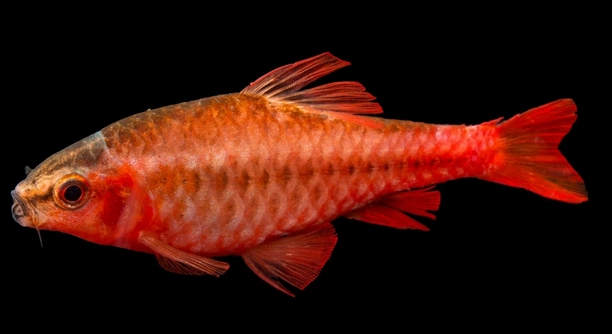
Cherry barbs are popular aquarium fish known for their vibrant colors. However, white patches on their bodies can be concerning for fish owners. Identifying the cause of these patches is essential for ensuring their well-being.
The most common causes of white patches on cherry barbs include fungal infections, parasites, poor water conditions, and injuries. Stress, inadequate diet, or underlying diseases may also contribute to the appearance of these white spots.
Understanding these factors can help you prevent further health issues and maintain the optimal condition of your cherry barbs.
Fungal Infections: A Common Cause of White Patches
Fungal infections are one of the most frequent reasons behind white patches on cherry barbs. These infections often appear as fuzzy, white growths on the skin or fins. They thrive in aquariums with poor water quality, especially when the fish’s immune system is weakened. If your cherry barb has an injury or is stressed, the chances of fungal infection increase. These infections can be treated with antifungal medications, but it’s essential to address the root cause to prevent them from recurring. Keeping your tank clean and maintaining proper water parameters is crucial.
To prevent fungal infections, make sure the tank water is properly filtered and changed regularly. It’s also important to ensure that the temperature and pH levels are within the optimal range for cherry barbs. Avoid overcrowding the aquarium, as it can lead to higher stress and weakened immunity in the fish.
If you notice any signs of fungal infection, treat it immediately to avoid further complications. Untreated infections can lead to severe health issues or even death for your fish.
Parasites: An Unseen Problem
Parasites can cause white spots on cherry barbs that may resemble a fungal infection.
Ichthyophthirius multifiliis, commonly known as “Ich,” is one of the most notorious parasites that infects freshwater fish. These parasites cause small, white cysts to appear on the skin and gills of affected fish. Ich is highly contagious and can quickly spread in the tank, especially if water quality is compromised. The cysts can cause irritation and discomfort for your fish, leading to increased stress.
To treat parasites, consider using anti-parasitic medications. Raising the water temperature slightly can also speed up the lifecycle of the parasite, allowing for quicker treatment. However, treating Ich requires full quarantine to prevent it from infecting other fish in the tank. Always follow the instructions on the medication to avoid harming your fish.
Poor Water Conditions: A Hidden Threat
Water quality is essential for the health of your cherry barbs. High ammonia, nitrites, and nitrates can stress the fish and lead to white patches. These toxins irritate the skin and can cause injuries, making fish more vulnerable to infections. Poor filtration or infrequent water changes contribute to these imbalances.
Testing the water regularly will help keep harmful levels of toxins under control. A good filtration system ensures the water stays clean, while frequent water changes reduce waste buildup. Keeping the tank’s pH and temperature in the right range is equally important to prevent stress and maintain fish health.
Regular water testing and appropriate maintenance are key to preventing poor water conditions. Overcrowded tanks or stagnant water increase the risk of harmful substances. Proper tank hygiene and a balanced ecosystem go a long way in avoiding these problems.
Stress and Weak Immune System
Cherry barbs, like all fish, are susceptible to stress. Stress weakens their immune system, making them more prone to health issues, including white patches. It can result from various factors, including poor tank conditions, overcrowding, or aggression from other fish. Fish with suppressed immunity are more vulnerable to infections.
To reduce stress in your cherry barbs, create a peaceful tank environment. Ensure they have plenty of space to swim, with enough hiding spots to avoid feeling threatened. Minimize loud noises or sudden movements around the aquarium, as these can also cause anxiety. Proper feeding and stable tank conditions further help in supporting their immune system.
Reducing stress will not only help prevent white patches but also improve the overall health and behavior of your fish. Remember that a calm, stable environment is crucial for their well-being.
Injuries: A Common Cause
Injuries are another possible reason for white patches on cherry barbs. These can happen due to sharp objects in the tank or aggressive interactions with other fish. Fish that are injured may develop white lesions or scarring as the skin heals.
Monitoring your cherry barbs regularly helps identify injuries early. Be sure to remove any sharp decorations or objects that could cause harm. Providing hiding spots or reducing aggressive tankmates can minimize the risk of injury.
Diet Deficiencies and Poor Nutrition
A poor diet can weaken your cherry barbs, leading to skin issues like white patches. If their diet lacks essential nutrients, fish are more prone to infections and stress. Cherry barbs require a balanced diet rich in proteins, vitamins, and minerals.
Ensure they receive a variety of high-quality foods, such as flakes, pellets, and occasional live or frozen foods. This balanced diet strengthens their immune system and keeps their skin healthy. Avoid overfeeding, as excess food can contaminate the water, leading to further health issues.
FAQ
What are the first signs of white patches on cherry barbs?
White patches on cherry barbs often appear as small, round spots on the skin, fins, or gills. These spots may start small but can spread if not addressed promptly. In some cases, the patches might look fuzzy or cotton-like. Pay attention to any changes in behavior, such as scratching against tank objects or reduced activity, as these may indicate discomfort or stress.
Can white patches be treated without medication?
White patches caused by injuries or poor water quality can often improve with changes in the environment. Keeping the tank clean, adjusting water parameters, and reducing stress may allow the fish to recover naturally. However, fungal or parasitic infections may require medication to fully resolve the issue.
How can I improve my cherry barb’s water conditions?
Maintaining good water quality is crucial for the health of cherry barbs. Regular water changes (about 25% weekly), proper filtration, and monitoring the ammonia, nitrite, and nitrate levels are essential steps. Ensure the water temperature and pH are within the optimal range for cherry barbs, typically 72-80°F (22-27°C) and pH 6.5-7.5.
Is it normal for cherry barbs to get stressed easily?
Cherry barbs are relatively hardy but can experience stress if tank conditions are not ideal. Overcrowding, aggressive tankmates, or poor water quality can all contribute to stress. Stress can weaken their immune system, making them more vulnerable to infections, including the development of white patches.
How do I prevent fungal infections on my cherry barbs?
To prevent fungal infections, maintain proper water quality by regularly testing and changing the water. Remove any dead plants, uneaten food, or debris that can degrade the water. Ensure that cherry barbs are not overcrowded and that they are not exposed to physical damage, as this can create entry points for fungal infections.
Can I treat white patches on my cherry barbs with salt?
Using aquarium salt can be effective for treating some skin conditions like white patches caused by parasites or wounds. It helps to reduce stress and promotes healing. Dissolve the salt in water before adding it to the tank, and monitor the fish’s reaction to ensure it doesn’t cause further harm. Avoid overuse, as salt can affect the delicate balance of your aquarium’s ecosystem.
What should I do if my cherry barbs show no improvement after treatment?
If there’s no improvement after treatment, it may be necessary to reassess the cause of the white patches. Consider consulting with an aquarium professional or vet, as there may be an underlying issue that hasn’t been addressed. Also, check if the medication used was appropriate for the specific condition or if adjustments to water parameters are needed.
Can poor diet lead to white patches on cherry barbs?
Yes, a poor diet can lead to weakened immune systems in cherry barbs, making them more susceptible to infections. Nutritional deficiencies can also cause skin problems. Ensure your fish receive a balanced diet, including high-quality flakes, pellets, and occasional live or frozen food, to support their health.
How often should I feed my cherry barbs?
Feed your cherry barbs small amounts once or twice a day. Avoid overfeeding, as uneaten food can pollute the water. Cherry barbs are small fish, so their food requirements are modest, but providing them with a balanced, varied diet is key to their health.
What are the best tankmates for cherry barbs?
Cherry barbs are peaceful fish and do well with other non-aggressive species. Consider keeping them with small, peaceful fish like tetras, rasboras, or livebearers. Avoid keeping them with overly aggressive fish that might cause stress or injury, leading to the development of white patches.
Are white patches always a sign of illness?
White patches on cherry barbs are often a sign of illness, but not always. They can be caused by injury, poor water conditions, or stress. However, if the patches appear suddenly, spread, or are accompanied by other symptoms like lethargy or rapid breathing, it’s best to treat them as a potential sign of infection.
How do I treat parasites like Ich in cherry barbs?
Treating Ich involves raising the water temperature slightly to speed up the parasite’s lifecycle and using anti-parasitic medication. It’s essential to quarantine affected fish to prevent the parasite from spreading to other tankmates. Follow the medication instructions carefully to avoid harming your fish.
Can cherry barbs get white patches from injury?
Yes, injuries from sharp objects or aggressive tankmates can lead to white patches. These spots are typically the result of tissue damage or infection. Providing a clean, stress-free environment and removing any harmful objects from the tank can help prevent injuries and promote healing.
How can I prevent overcrowding in my aquarium?
To prevent overcrowding, follow the recommended stocking guidelines for your tank size. A general rule is to allow 1 inch of fish per gallon of water, but consider the specific space needs of each species. Regularly monitor the number of fish in your tank and avoid adding too many at once.
Final Thoughts
White patches on cherry barbs can be caused by various factors, including poor water quality, stress, injuries, or infections. Understanding the root cause of these patches is crucial for effective treatment. By closely monitoring tank conditions, maintaining water quality, and providing a balanced diet, you can reduce the risk of your cherry barbs developing health issues. Addressing any stressors or physical injuries quickly will also help prevent further complications.
Regular water changes, proper filtration, and maintaining the correct temperature and pH levels in your tank are essential practices to keep your cherry barbs healthy. Be cautious about overcrowding, as it can lead to stress and a compromised immune system. Similarly, always ensure that your cherry barbs are housed with peaceful tankmates to avoid aggression and injury. Providing hiding spots can help reduce stress by giving them a sense of security. Proper nutrition, with a mix of high-quality flakes, pellets, and occasional live or frozen foods, will support their immune system and overall health.
Lastly, while white patches may be a sign of illness or injury, they can often be prevented through good tank management. Regularly check your cherry barbs for any unusual signs, such as changes in behavior or appearance, and act promptly to address any concerns. With the right care, you can maintain a healthy environment for your cherry barbs and help them thrive without frequent health issues. Always be proactive about tank maintenance and fish welfare, and your cherry barbs will have a better chance of avoiding white patches and other health problems.

Hello,
If you enjoy the content that we create, please consider saying a "Thank You!" by leaving a tip.
Every little bit helps us continue crafting quality advice that supports the health, happiness, and well-being of pets around the world, for pets of all shapes, sizes, and species.
We really appreciate the kindness and support that you show us!