
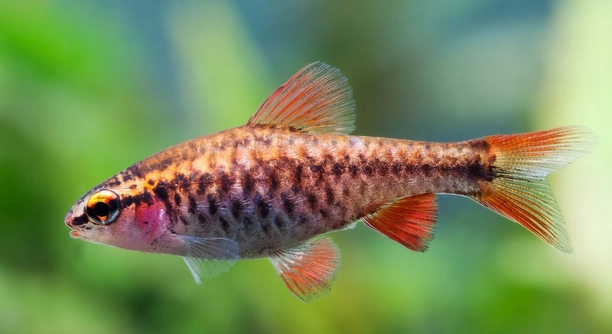
Are you setting up a small aquarium and considering adding cherry barbs to your fish family? These colorful, peaceful fish are a popular choice for beginners. Their size and nature may seem like a perfect match for small tanks.
Cherry barbs should not be kept in a 5-gallon tank, as they require more space to thrive. A minimum of 20 gallons is recommended to ensure adequate swimming room, stable water parameters, and proper social interaction within a small group.
Learning how tank size affects cherry barb behavior and health can help you make better choices for their care and well-being.
Why Tank Size Matters for Cherry Barbs
Cherry barbs are active schooling fish that need space to swim and interact. Keeping them in a tank that is too small can lead to stress, poor health, and aggressive behavior. A 5-gallon tank is not suitable because it limits their ability to move freely and affects water stability. In smaller tanks, toxins like ammonia can build up quickly, which is harmful to fish. Cherry barbs thrive best in groups of six or more, and a small tank simply cannot support that many fish comfortably. Space also plays a role in their natural behavior. In tight quarters, they may feel unsafe or territorial, which goes against their peaceful nature. A 20-gallon tank or larger helps maintain water quality and provides enough room for a proper group, giving them a chance to swim without constant confinement. This setup encourages healthier, more vibrant behavior and improves their overall quality of life.
A 5-gallon tank might seem convenient, but it cannot meet the long-term needs of cherry barbs. They require more space and stability.
A larger tank not only gives them more room to swim but also helps maintain consistent water parameters. Small tanks are more prone to temperature swings and waste buildup, which puts fish at risk.
What to Consider Instead
Cherry barbs do best in tanks that offer both room and comfort. Choosing a setup that mimics their natural environment supports their behavior and health.
A 20-gallon tank is the best starting point if you want to keep cherry barbs. This size allows you to keep a small school of six, which is essential for their well-being. They feel more secure in a group and exhibit better behavior when surrounded by their own kind. Provide plenty of plants and open swimming areas to reduce stress and encourage natural movement. Live plants can also improve water quality and create hiding spots. Use a gentle filter to maintain clean water without disturbing their environment. Regular maintenance, like weekly partial water changes, is important to keep ammonia and nitrate levels low. Avoid overcrowding the tank with too many species, as this can lead to conflict and poor water conditions. Stick with peaceful tankmates that prefer similar water parameters. With the right setup, cherry barbs can live healthy lives and bring calm energy to your home aquarium.
Key Requirements for Cherry Barb Care
Cherry barbs need more than just space—they also rely on stable water conditions, good nutrition, and appropriate tank mates. These details help reduce stress and improve their overall health and appearance.
Water temperature should stay between 73°F and 81°F, with a slightly acidic to neutral pH range of 6.0 to 7.5. Use a reliable heater and thermometer to maintain consistency. Filtration is essential but should not create a strong current. Cherry barbs prefer calm waters with some flow for oxygenation. Keep nitrate levels low and test the water weekly to catch changes early. Substrate should be soft, and plants like java fern or anubias offer shelter and enrichment. Avoid sharp decorations that could injure them. Regular water changes, about 25% each week, help keep the tank clean. These small steps support a comfortable and stable environment that promotes healthy growth and vibrant color.
Feeding cherry barbs is simple but needs consistency. Use a mix of high-quality flakes or micro pellets as their staple diet. Supplement with live or frozen options like brine shrimp or daphnia for variety. Feed them once or twice a day in small amounts they can finish in two minutes. Remove leftover food to prevent water quality issues. Variety not only meets their nutritional needs but also keeps them more active and interested. Avoid overfeeding, as it leads to obesity and dirty water. A balanced diet keeps their immune system strong and helps them stay active and alert. Treats like blanched vegetables can be added occasionally for enrichment.
Choosing Suitable Tank Mates
Cherry barbs are peaceful and thrive with other calm, non-aggressive species. They do best in community tanks where the environment is quiet and stable. Avoid fin-nippers or overly active fish that might cause stress or competition.
Good tank mates include harlequin rasboras, neon tetras, or small Corydoras catfish. These fish share similar water preferences and temperaments. Keep cherry barbs in groups of at least six to maintain their social needs and reduce aggression. Mixing them with shy or slow-moving fish is not recommended, as cherry barbs may become more dominant when they feel too confident. Ensure your tank has enough space to prevent crowding and maintain peaceful interactions. Observe new tank mates closely for any signs of conflict in the beginning. If any behavior seems off, consider rearranging tank decorations to break up territories and allow everyone to adjust. With a balanced setup, your tank can stay calm and healthy.
Challenges of a Small Tank
A 5-gallon tank cannot hold stable water parameters for cherry barbs. Ammonia and nitrite can spike quickly, especially with more than one fish, leading to serious health problems or death if not addressed immediately.
Small tanks also limit swimming space and reduce the fish’s ability to form proper social groups. This often causes stress, aggression, or dull coloration.
Long-Term Care Considerations
Cherry barbs can live for five to seven years with proper care, so their tank setup should support long-term health. A small tank does not provide the space or stability they need as they grow and age. Regular maintenance becomes more demanding in smaller setups due to limited water volume. Larger tanks make water changes easier and help keep conditions stable. Over time, cherry barbs thrive better in an environment with space to swim, hide, and interact. Investing in a larger tank from the beginning saves effort and improves their quality of life. It also gives you flexibility to add compatible tank mates in the future.
Final Thoughts on Tank Size
A 5-gallon tank may work for some fish, but it’s not suitable for cherry barbs. They need room to swim and live comfortably.
FAQ
Can cherry barbs live in a 5-gallon tank with other fish?
While a 5-gallon tank is generally too small for cherry barbs, it becomes even more problematic when adding other fish. The limited space in a 5-gallon tank creates overcrowding, which can lead to poor water quality and stress. Cherry barbs are schooling fish that need space to thrive, and adding more fish can only increase the stress. A 5-gallon tank simply cannot maintain the water parameters required for healthy fish in a group. For their well-being, it’s better to start with at least a 20-gallon tank.
What size tank is best for cherry barbs?
The best tank size for cherry barbs is 20 gallons or more. This size provides adequate space for them to swim freely in a small group of six or more. A larger tank helps maintain stable water parameters, which is crucial for their health. It also allows you to include compatible tank mates without overcrowding. A 20-gallon tank is ideal for starting a small community tank with cherry barbs, offering enough space for them to thrive and show their best colors.
How many cherry barbs can fit in a 10-gallon tank?
A 10-gallon tank is still a bit small for cherry barbs, but it can hold a small group of three or four. However, it’s essential to monitor water quality carefully, as smaller tanks can quickly become unstable. It’s recommended to upgrade to a larger tank for a healthier, more sustainable environment. Even in a 10-gallon tank, keeping water quality optimal with regular maintenance is critical to prevent issues like ammonia buildup and poor oxygenation.
Do cherry barbs need a filter in their tank?
Yes, cherry barbs do need a filter in their tank. Filtration is important for maintaining water quality by removing toxins like ammonia, nitrites, and nitrates. While they don’t require powerful filtration, a gentle filter that provides moderate water flow is best. A filter helps keep the water clean, preventing harmful waste buildup that could affect the health of your fish. It’s important to choose a filter with an adjustable flow rate, as cherry barbs prefer calmer waters. Regular filter maintenance, like rinsing or replacing the media, is also crucial for long-term tank health.
What temperature is best for cherry barbs?
Cherry barbs prefer water temperatures between 73°F and 81°F. Keeping the water temperature within this range ensures their comfort and health. Too low or too high temperatures can cause stress, weaken their immune system, and make them more susceptible to diseases. It’s important to use a reliable heater and thermometer to maintain a stable temperature. Sudden changes in temperature can be harmful, so try to avoid large fluctuations. A heater with a built-in thermostat is an effective way to keep the water at the right temperature.
Do cherry barbs need live plants in their tank?
While live plants are not strictly necessary, they provide many benefits for cherry barbs. Plants help improve water quality by absorbing excess nutrients and offering oxygenation. They also create hiding spots, which make cherry barbs feel more secure and reduce stress. Plants like Java fern, Anubias, or Amazon sword are good choices for a cherry barb tank. Additionally, plants add natural beauty to the aquarium and provide enrichment that encourages natural behaviors. If live plants are not an option, artificial plants or decorations can serve as substitutes, though they don’t offer the same biological benefits.
Can cherry barbs live with bettas?
It is not ideal to keep cherry barbs with bettas, especially male bettas, as bettas are territorial and aggressive. Cherry barbs are peaceful and active, but they may provoke a betta by swimming near it or displaying their bright colors. While bettas may tolerate other species, it’s better to avoid pairing them with cherry barbs to prevent stress and potential conflict. If you do decide to keep them together, ensure the tank is large enough to give each species enough space and hideouts to minimize aggression.
Are cherry barbs good for beginner fish keepers?
Yes, cherry barbs are considered beginner-friendly fish, but they do require specific care to thrive. They are hardy and adaptable to a variety of water conditions, which makes them easier to maintain than some other species. However, they still need a proper tank size, water quality, and temperature range to stay healthy. Once the basics of their care are understood, they can make excellent pets for beginners. Their peaceful nature and vibrant coloration also make them an attractive addition to a community tank.
How often should I feed my cherry barbs?
Cherry barbs should be fed once or twice a day. Only give them enough food that they can consume in about two minutes. Overfeeding can lead to water quality issues, as uneaten food will decay and increase toxins in the tank. A varied diet of high-quality flakes or pellets, along with occasional live or frozen foods like brine shrimp, is best for keeping them healthy. Treats like blanched vegetables can be offered occasionally, but they should not make up the bulk of their diet.
How long do cherry barbs live?
Cherry barbs typically live between 5 and 7 years with proper care. Their lifespan can vary depending on factors like water quality, diet, and overall tank conditions. Providing a stable and well-maintained environment with consistent care will help them reach their full potential. Regular water changes, good nutrition, and a stress-free environment are key factors in ensuring a long, healthy life for cherry barbs.
Final Thoughts
Cherry barbs are colorful and peaceful fish that can bring life to any aquarium. While they are relatively hardy, they do require specific care to thrive. A 5-gallon tank is simply too small for them, as it does not provide enough space or stability to maintain proper water conditions. These fish need space to swim freely and live in groups, as they are schooling fish. A small tank can lead to overcrowding, poor water quality, and stressed fish, which affects their health and lifespan.
The best option for cherry barbs is a tank that holds at least 20 gallons of water. A tank of this size provides enough room for them to move around comfortably and allows for the addition of other compatible fish. It also makes it easier to maintain water quality, which is essential for their well-being. Having a larger tank means you can adjust the water flow, add plants for hiding spots, and create a more natural environment for the fish. This setup reduces stress and helps the cherry barbs exhibit their full potential, both in behavior and color.
When setting up a tank for cherry barbs, it is important to keep their environment as stable as possible. This includes maintaining the right temperature, filtering the water properly, and providing a balanced diet. Cherry barbs do well in groups of at least six, which allows them to socialize and feel safe. Their peaceful nature makes them great tank mates for other species, but it’s important to choose other fish that won’t be too aggressive or compete for space. Providing them with the right care will ensure they live a long, healthy life and become a vibrant addition to your aquarium.

Hello,
If you enjoy the content that we create, please consider saying a "Thank You!" by leaving a tip.
Every little bit helps us continue crafting quality advice that supports the health, happiness, and well-being of pets around the world, for pets of all shapes, sizes, and species.
We really appreciate the kindness and support that you show us!