
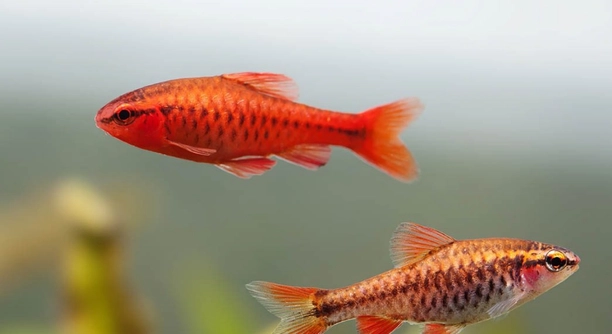
Cherry Barbs are beautiful and active fish that can sometimes experience fin damage. It is important to address this issue promptly to ensure they remain healthy. Understanding how to support their recovery is essential for their well-being.
To help a Cherry Barb with fin damage, ensure a clean and stable environment. Monitor water parameters such as temperature, pH, and ammonia levels. Provide appropriate nutrition and consider adding stress-reducing elements like aquarium salt or medicinal treatments if necessary.
Proper care will help your Cherry Barb heal and thrive. Understanding these steps ensures a better recovery and long-term health for your fish.
Causes of Fin Damage in Cherry Barbs
Cherry Barbs may suffer from fin damage due to several reasons, including poor water quality, physical injury, or aggressive tank mates. Damaged fins can also result from improper diet or stress. It is essential to keep an eye on the environment and behavior of other fish. Low water quality, with high ammonia or nitrite levels, can cause irritation and fin damage. Additionally, Cherry Barbs are active swimmers, and during encounters with objects or other fish, their fins may get torn. Identifying the source of damage is vital to provide proper care and treatment.
While fin damage can stem from a variety of sources, the water quality and fish behavior are often the primary contributors. Regular water changes and monitoring stressors can help avoid damage. Healthy, non-aggressive tankmates will also prevent injuries.
Fin damage is usually preventable by maintaining a clean environment and providing the proper care for your Cherry Barbs. Keeping an eye on tankmates and ensuring the right water conditions can significantly reduce the likelihood of such injuries.
How to Treat Fin Damage
Treating fin damage in Cherry Barbs requires a multi-step approach. First, ensure the water quality is optimal, as poor conditions can slow down the healing process. Make regular water changes, remove any uneaten food, and test the water parameters to maintain stability. Additionally, consider isolating the affected fish in a quarantine tank to minimize stress. Adding aquarium salt can help reduce bacterial infections and promote healing. It’s important to feed your Cherry Barb a balanced diet to boost its immune system. Rich in vitamins and minerals, this will support tissue regeneration and prevent further damage.
An essential part of treatment involves controlling the tank’s environment. Ensure the aquarium is well-filtered and that the temperature remains stable. Cherry Barbs are sensitive to drastic temperature changes. Introducing medicinal treatments may also be helpful, depending on the severity of the damage. These treatments can range from antibacterial medications to stress-relieving additives that promote healing.
Keeping your fish in a stable, clean environment is crucial for recovery. Providing proper nutrition and reducing stress will help ensure your Cherry Barb heals effectively. Monitoring the progress of the fin’s recovery is important to prevent further complications.
Preventing Future Fin Damage
To prevent future fin damage, regular tank maintenance is crucial. This includes monitoring water parameters, performing regular water changes, and ensuring proper filtration. Healthy tankmates should be chosen to avoid aggression. By maintaining a stable environment, the risk of injury is minimized.
Additionally, keep an eye on the behavior of your Cherry Barbs. If they are frequently bumping into objects or displaying signs of stress, consider rearranging the tank to give them more space. Proper lighting and avoiding overcrowding also help. A balanced diet rich in vitamins will promote healthy growth and fin regeneration, reducing the chances of further damage.
Ensuring that Cherry Barbs have plenty of room to swim and hiding spots for peace of mind also helps minimize stress-related fin damage. Avoiding sharp objects in the tank and providing soft décor will prevent physical injuries. The key to maintaining healthy fins lies in reducing stress factors and promoting a stable environment for your fish.
Importance of Regular Monitoring
Regular monitoring of your Cherry Barb’s health ensures that any potential issues are caught early. It’s important to observe their behavior and check their fins daily, especially if they have previously experienced damage. A healthy fish should swim actively and display vibrant colors.
In addition to checking their physical appearance, you should also monitor their interaction with other tankmates. Aggressive fish can cause ongoing stress and fin damage. Keeping track of water quality and observing feeding habits also play a significant role in maintaining overall health. Stress, poor diet, and water quality issues are common reasons for fin damage.
By observing your Cherry Barb regularly, you can catch signs of trouble early and prevent more serious issues from developing. Small changes in behavior or appearance can often signal the need for corrective action. Regular checks help you provide the best care possible, ensuring that your fish stay healthy and their fins remain intact.
Choosing the Right Tankmates
Choosing the right tankmates for your Cherry Barbs can prevent fin damage. Aggressive or overly active fish can harm them. It’s important to select peaceful, non-territorial species that won’t stress your Cherry Barbs. Keep tankmates that are similar in size to avoid bullying.
A good option is to pair Cherry Barbs with other small, peaceful fish that swim in different parts of the tank. Avoid sharp-finned or fin-nipping species. If aggression does occur, it’s wise to separate the aggressor to reduce stress and prevent injuries. Monitor the interactions regularly for the best results.
Healthy, peaceful tankmates help your Cherry Barbs thrive. Avoid fish that might disrupt their calm environment. The right mix ensures your Cherry Barbs remain healthy and their fins undamaged.
Tank Size and Space Requirements
A properly sized tank is essential for Cherry Barbs. Too many fish in a small space can lead to stress, increased aggression, and fin damage. Providing enough room for swimming helps reduce these risks. A tank of at least 20 gallons is recommended for a small group.
When you have enough space, Cherry Barbs feel more comfortable and less likely to harm one another. It also prevents overcrowding, which can lead to poor water quality. More space reduces the chance of fin damage caused by stress or physical injury from cramped conditions.
A larger tank not only supports healthier fish but also provides a more stable environment for them to grow and thrive. It’s crucial to consider both the size of the tank and the number of fish to maintain a balanced ecosystem.
FAQ
How can I tell if my Cherry Barb’s fin damage is serious?
If the fin damage appears to be minor, such as a small tear or fraying, it may heal on its own with proper care. However, if the fin is severely torn, showing signs of infection (like redness, swelling, or unusual growths), or if the fish is struggling to swim properly, the damage is likely more serious. In such cases, it’s best to isolate the fish and start treatment immediately. Monitoring the healing progress is also important to ensure no further complications arise.
Can fin damage heal on its own?
Yes, fin damage can heal on its own if the cause is addressed. If the water conditions are ideal, and the fish is in a stress-free environment, minor fin injuries can repair over time. Ensure the tank is clean, the fish receives proper nutrition, and that no further damage occurs. However, if the damage is extensive or accompanied by infection, additional treatment might be needed, such as antibiotics or salt baths.
What should I feed my Cherry Barb to help its fins heal?
A well-balanced diet helps promote healing. Foods rich in vitamins A and C, as well as essential fatty acids, will support fin regeneration. High-quality flakes, pellets, and occasional live or frozen foods like brine shrimp or bloodworms can help. These nutrients aid in the overall health of your Cherry Barb, boosting its immune system and speeding up recovery. Adding plant matter, like blanched spinach or algae wafers, can also contribute to a balanced diet.
Are there any medications I should use for fin damage?
Depending on the severity of the damage, you may want to use medications designed for fin injuries or infections. Aquarium salt can help reduce bacterial growth and promote healing. There are also various over-the-counter treatments available for more severe cases. Antibacterial medications, especially if you notice signs of infection, can be helpful. Always follow the instructions carefully and remove any active carbon from your filter if you’re treating with chemicals, as it can absorb the medication.
Can Cherry Barbs recover from fin rot?
Yes, Cherry Barbs can recover from fin rot, but the treatment depends on the extent of the damage. Fin rot is usually caused by poor water conditions or a bacterial infection. If you notice discolored or deteriorating fins, perform a water change, adjust the tank conditions, and add aquarium salt to help. In more serious cases, antibacterial treatments may be required. Regular monitoring and good water quality will help your Cherry Barb recover.
Should I quarantine my Cherry Barb if it has fin damage?
If the fin damage is severe or if you suspect an infection, quarantining the affected Cherry Barb is a good idea. This reduces stress and prevents any potential spread of infection to other fish in the main tank. A quarantine tank should have similar water parameters to the main tank, and it should be kept clean and stress-free. This isolation will help the fish recover without interference from other tankmates.
How can I prevent fin damage in the future?
To prevent future fin damage, maintain a clean tank with stable water conditions. Monitor the water temperature, pH, and ammonia levels regularly. Avoid overcrowding, as this can increase stress and aggression among fish. Additionally, choose peaceful tankmates that won’t nip at the fins of your Cherry Barbs. Providing enough hiding spaces and swim areas can help your fish feel secure, reducing the chance of injury. Regular tank maintenance and a proper diet will also support healthy fins.
Is it okay to add aquarium salt to treat fin damage?
Aquarium salt can be helpful in treating minor fin damage. It can reduce stress and help prevent infections, promoting the healing process. However, it’s important not to overdo it. Always follow the recommended dosage, as excessive salt can harm freshwater fish. If the fin damage is severe or accompanied by signs of infection, you may need to use a more specific treatment, such as an antibacterial medication, alongside salt. Always monitor the fish closely during treatment.
Can fin damage lead to other health problems?
If left untreated, fin damage can lead to secondary health issues such as infections, fin rot, or even loss of balance and mobility. Bacteria can enter through torn or damaged fins, causing further complications. Additionally, stress from the injury may weaken the fish’s immune system, making it more susceptible to disease. Addressing the issue promptly, providing proper care, and monitoring the fish will prevent these potential problems.
Can Cherry Barbs live with fin damage long-term?
Cherry Barbs can live with fin damage long-term if it is minor and the fish is given proper care. However, severe or untreated damage can lead to complications, such as difficulty swimming or secondary infections. If the damage is substantial, it may reduce the fish’s overall quality of life. Regularly check on your Cherry Barb’s recovery, and ensure they are not stressed or hindered by the injury. A healthy environment and good care will support the fish’s overall well-being.
Final Thoughts
Taking care of a Cherry Barb with fin damage requires attention, patience, and proper care. Ensuring that your tank has the right conditions is the first step in preventing further injury. Keeping water quality in check, avoiding overstocking, and monitoring the behavior of tankmates all contribute to a healthy environment for your fish. If your Cherry Barb’s fins are damaged, the sooner you address the problem, the better the chances are for recovery. Healing may take time, but with the right treatment and a calm environment, most Cherry Barbs will recover fully.
In cases of fin damage, it’s essential to closely observe your Cherry Barb’s behavior and appearance. If the fins are not healing or showing signs of infection, it’s crucial to take action by isolating the fish and treating it with proper medications. Antibacterial treatments, salt baths, or even a simple water change can help in many cases. Additionally, providing your Cherry Barb with a balanced diet, rich in vitamins and essential nutrients, will help promote faster healing. Keeping the fish stress-free and ensuring it has enough space to swim can also aid recovery.
While fin damage can be concerning, it’s often a manageable issue if addressed quickly. By paying attention to water conditions, tankmates, and overall fish health, you can prevent damage from occurring in the future. If an injury does happen, prompt action and care will give your Cherry Barb the best chance at recovery. With time, patience, and proper maintenance, your fish can return to a healthy and active state.

Hello,
If you enjoy the content that we create, please consider saying a "Thank You!" by leaving a tip.
Every little bit helps us continue crafting quality advice that supports the health, happiness, and well-being of pets around the world, for pets of all shapes, sizes, and species.
We really appreciate the kindness and support that you show us!