
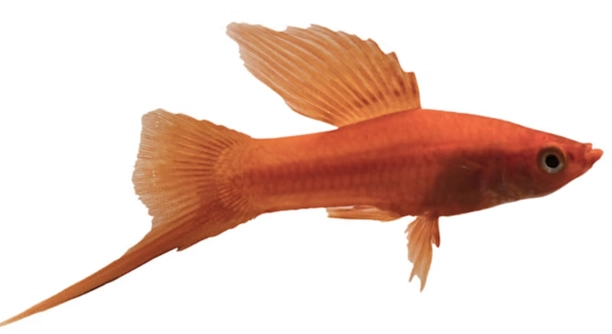
Swordtails are popular aquarium fish known for their vibrant colors and playful behavior. If you’re thinking of getting one, it’s important to understand their care needs to keep them healthy and happy in your tank.
Before bringing home swordtails, you should know their water requirements, ideal tank setup, compatible tank mates, feeding habits, and possible health issues. These factors play a crucial role in ensuring they thrive in your aquarium environment.
Taking care of swordtails requires more than just feeding them. Understanding their needs will help you provide a stable and enjoyable home for your new fish. Keep reading to learn what you should consider before introducing them into your aquarium.
Understanding Swordtail Tank Requirements
Swordtails are relatively easy to care for but need a properly set-up tank to thrive. They do best in a well-maintained aquarium with a minimum size of 20 gallons, especially if you plan to keep more than one. These fish are active swimmers, so having space to move around is essential for their well-being. You should also include plenty of plants, rocks, and hiding spots in the tank to help them feel secure and mimic their natural habitat.
The water temperature should be maintained between 72 and 82°F. Swordtails also prefer slightly alkaline water, with a pH between 7.0 and 8.0. Regular water changes and proper filtration are crucial for keeping the tank clean and the fish healthy.
Creating an ideal tank for swordtails will go a long way in ensuring they are happy and healthy. Adding decorations that resemble their natural environment will help them feel more comfortable. The right setup helps reduce stress and makes them more vibrant and active.
Choosing Compatible Tank Mates
Swordtails are peaceful but active fish. They do best when housed with other non-aggressive species. Avoid keeping them with overly territorial or aggressive fish, as this can lead to stress and potential injury.
Common tank mates for swordtails include other livebearers like guppies or mollies. They can also live harmoniously with tetras, rasboras, and corydoras catfish. However, avoid keeping them with large or aggressive species like cichlids. Pairing swordtails with fish that have similar care needs will ensure a peaceful and balanced tank.
Choosing the right companions is vital for the health of your swordtails. You want a peaceful community where each fish can swim freely and interact without stress. This makes the aquarium a more enjoyable space for both the swordtails and their companions. When considering tank mates, focus on compatibility in terms of temperament and water preferences to avoid conflicts.
Feeding Your Swordtails
Swordtails are omnivores, which means they eat both plant and animal matter. You can feed them a variety of foods, including high-quality fish flakes, frozen or live brine shrimp, daphnia, and vegetable matter like blanched spinach or zucchini. Variety in their diet helps keep them healthy and vibrant.
They generally feed two to three times a day, but make sure you’re not overfeeding them. Swordtails have small stomachs, so giving them small portions at each feeding is key. Remove any uneaten food after a few minutes to prevent water contamination. It’s essential to maintain a clean environment for their overall health.
Consistent feeding is important, but so is balance. Swordtails need both protein and plant-based foods for optimal growth and color. Providing them with the right mix of nutrients will promote better health and longevity. Be mindful of water quality as uneaten food can quickly degrade the tank environment.
Swordtail Breeding
Swordtails are livebearers, meaning they give birth to live fry instead of laying eggs. If you want to breed them, you should have both male and female swordtails in the same tank. Typically, one male can mate with several females, so it’s best to have a higher female-to-male ratio.
Pregnant females will give birth to tiny fry every 4-6 weeks. During this time, it’s important to provide plenty of hiding places in the tank for the newborns. Baby swordtails are tiny and vulnerable, and adult fish may sometimes eat them. You can place a breeding box or mesh net in the tank to protect the fry.
To encourage healthy breeding, maintain stable water conditions and avoid stress. Pregnant females are more likely to give birth successfully in a calm and well-maintained environment. Once the fry are born, you can feed them finely crushed flake food or baby brine shrimp to help them grow.
Common Swordtail Health Issues
Swordtails are generally healthy, but they can be prone to a few common issues. Ich, a parasitic infection, is one of the most frequent problems. It appears as small white spots on the fish’s body and fins. Quick treatment is important to avoid it spreading.
Another common health issue is fin rot, which can occur if the water quality is poor or the fish are stressed. Regular water changes and keeping the tank clean can prevent this. Watch for any signs of frayed or discolored fins, and act quickly to treat the infection.
Maintaining good water quality and a stress-free environment will help reduce the risk of these health problems. Regularly check the fish for any abnormalities or symptoms and treat them as soon as you notice anything wrong.
Swordtail Lifespan
Swordtails can live up to 3-5 years with proper care. A stable environment with the right water conditions, diet, and minimal stress will help them live their full lifespan. Keeping them in a community tank with peaceful companions also reduces the risk of injury.
Swordtails may live longer if they are not exposed to disease or environmental stress. Keeping their water clean, feeding them a varied diet, and maintaining a comfortable tank temperature all contribute to their overall health and longevity. Regular maintenance and monitoring can help catch potential issues early.
Maintaining Water Quality
Maintaining good water quality is essential for the health of your swordtails. Regular water changes of 25-30% every week or two help prevent the build-up of harmful toxins. A good filtration system is also necessary to keep the water clean.
Monitor the water parameters, including pH, ammonia, nitrites, and nitrates, to ensure they are within safe ranges. Swordtails prefer slightly alkaline water with a pH of 7.0 to 8.0. Regularly testing your water will help you identify any changes that could harm your fish.
FAQ
How many swordtails can be kept together in one tank?
Swordtails are social fish, but you need to consider the size of the tank and the gender ratio. In a 20-gallon tank, you can comfortably keep 3-4 swordtails. However, it’s important to maintain a good gender balance, with a higher number of females to reduce aggression. Typically, a 2:1 ratio of females to males is recommended. This helps ensure that the males don’t stress the females by constantly chasing them. If you want to keep more swordtails, make sure the tank is large enough to accommodate them without overcrowding.
What temperature should the water be for swordtails?
Swordtails prefer a temperature range between 72°F and 82°F (22°C to 28°C). It’s crucial to keep the temperature stable as large fluctuations can cause stress and make the fish more susceptible to illness. Using a reliable heater and thermometer in the tank will help maintain the water at the appropriate temperature. If the temperature goes outside this range, it could cause health problems, so be sure to monitor it regularly.
What do swordtails eat?
Swordtails are omnivores, meaning they eat both plant and animal matter. Their diet should include high-quality fish flakes or pellets, supplemented with live or frozen foods like brine shrimp, daphnia, and bloodworms. You can also offer them vegetables such as spinach, zucchini, or peas. Offering a variety of food helps keep them healthy and provides all the nutrients they need. Feeding them twice a day in small amounts is ideal. Avoid overfeeding, as excess food can pollute the tank and cause water quality issues.
Do swordtails need a filter in their tank?
Yes, swordtails need a filter in their tank. A filter helps maintain good water quality by removing toxins, excess food, and debris from the water. It’s important to choose a filter that is appropriate for the size of your tank. The filter should be strong enough to ensure proper water circulation, but not so strong that it creates strong currents that could stress the fish. Regularly clean the filter to keep it working efficiently, and monitor the water quality with a test kit to ensure the filter is doing its job.
Can swordtails live with other fish?
Swordtails are peaceful and can live with many other species, but it’s important to choose compatible tank mates. They do well with other non-aggressive fish such as guppies, mollies, tetras, and corydoras catfish. Avoid keeping them with larger, more aggressive fish like cichlids or goldfish, as these can bully or harm the swordtails. Swordtails are also peaceful but active, so they work best in tanks with other active species that won’t compete too much for space or food.
How often should I change the water for swordtails?
You should perform regular water changes to keep your swordtails healthy. A 25-30% water change every 1-2 weeks is generally recommended, depending on tank size and the number of fish. More frequent water changes may be necessary if you have a larger number of fish or if the water quality starts to deteriorate. Always use a water conditioner to remove chlorine and chloramine from tap water, and check water parameters (ammonia, nitrites, and nitrates) regularly to ensure they are within safe levels.
What is the best way to breed swordtails?
Breeding swordtails is relatively easy. Keep males and females together in a well-maintained tank, with water conditions stable and at the right temperature. A 2:1 ratio of females to males is ideal. When the female is ready to give birth, you can place a breeding box in the tank to protect the fry, as adult swordtails may eat them. After birth, feed the fry small amounts of finely crushed flake food or baby brine shrimp. Swordtails breed every 4-6 weeks, so be prepared to care for new fry regularly.
Why are my swordtails staying at the bottom of the tank?
If your swordtails are staying at the bottom of the tank, it could be a sign of stress or illness. First, check the water quality. Poor water conditions, such as high ammonia or nitrate levels, can cause stress and make fish lethargic. Also, ensure the tank temperature is within the recommended range (72°F-82°F). If everything seems fine with the environment, it could be that the fish are unwell. Look for other symptoms such as faded color, loss of appetite, or abnormal swimming patterns. If necessary, treat the fish for any diseases and consider quarantining any new fish before introducing them to the main tank.
How do I know if my swordtail is pregnant?
Female swordtails are livebearers, meaning they give birth to live fry. When a female swordtail is pregnant, you may notice a dark spot near her abdomen, which is where the fry are developing. The pregnant female may appear rounder or more bloated than usual, especially in the last few days before giving birth. You may also observe her being more lethargic or hiding more often. Pregnant females can be kept in the main tank, but if you want to protect the fry, you can move her to a breeding box or separate tank closer to her due date.
Can swordtails live in cold water?
Swordtails are tropical fish and do not do well in cold water. Their preferred temperature range is between 72°F and 82°F. If the water is too cold, it can weaken their immune system, making them more susceptible to diseases. Additionally, cold water can cause them to become lethargic and decrease their appetite. If you live in a region with cooler temperatures, it’s essential to use a heater to maintain a stable and warm environment for your swordtails.
Final Thoughts
Swordtails are a great choice for beginner fish keepers, offering vibrant colors and easy care. They are active swimmers, peaceful in nature, and adaptable to many types of community tanks. Their hardy nature makes them relatively low-maintenance, but they still need a stable environment to thrive. With proper care, swordtails can live up to 3-5 years, bringing joy to your aquarium. They’re a wonderful addition for anyone looking to start an aquarium or expand their collection.
When setting up a tank for swordtails, it’s important to consider their space and water quality needs. They require a minimum of 20 gallons of space to swim comfortably, and the water should be kept at a consistent temperature between 72°F and 82°F. Regular water changes, good filtration, and proper tank mates will help them stay healthy. Their omnivorous diet means you can offer a variety of food options, but be careful not to overfeed them, as that can lead to water quality issues. Swordtails also need a clean environment free from ammonia or nitrites.
Finally, if you decide to breed swordtails, be prepared for the care of the fry. Female swordtails give birth to live young, and having hiding spots in the tank will ensure the fry have a safe space to grow. While swordtails are relatively easy to care for, they still require attention to their health, water quality, and environment to live their best lives. By understanding their basic needs and providing the right care, you can enjoy the beauty of swordtails in your tank for years to come.

Hello,
If you enjoy the content that we create, please consider saying a "Thank You!" by leaving a tip.
Every little bit helps us continue crafting quality advice that supports the health, happiness, and well-being of pets around the world, for pets of all shapes, sizes, and species.
We really appreciate the kindness and support that you show us!