
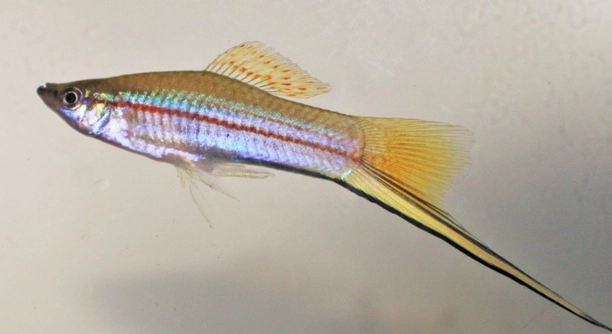
Swordtail fish are known for their vibrant colors and energetic swimming, but sometimes they display unusual behaviors, such as shaking their bodies. This odd movement can be concerning for fish owners who want to ensure their pet’s health.
Swordtail shaking may indicate a range of issues, from stress to physical illness. It is important to monitor the fish’s environment and behavior for other signs that could help pinpoint the cause. Stress, parasites, or water quality problems can be common triggers.
Learning more about this behavior can help you keep your swordtail comfortable and healthy. It’s important to identify potential causes and take action to correct them before they affect your fish further.
Why Is My Swordtail Shaking Its Whole Body?
Swordtail fish are known for their lively swimming patterns and eye-catching colors, but if you notice your fish shaking its body, it may raise some concerns. Shaking can be caused by a variety of factors, from stress to illness. It is essential to observe their overall behavior to understand whether this shaking is temporary or a sign of something more serious. If it’s happening often, it might indicate that something is wrong with your fish’s environment or health. Keeping a close eye on your swordtail’s movements and surroundings will help in addressing the issue early on.
Stress is one of the most common reasons for body shaking. Changes in the aquarium environment, like new tank mates or drastic shifts in water parameters, can cause stress. A stressed swordtail may shake or swim erratically. Adjusting the environment to a stable condition can help reduce this response.
Water quality is another critical factor. Swordtails are sensitive to poor water conditions, such as high ammonia levels, low oxygen, or improper temperature. Regular water changes, proper filtration, and monitoring of tank parameters like pH, nitrate, and nitrate levels are key to keeping your fish healthy. If the water conditions aren’t optimal, swordtails may exhibit unusual behaviors, including body shaking. Testing water regularly will allow you to identify any imbalances early. Along with ensuring a clean environment, make sure that your swordtail’s tank is large enough and has appropriate hiding spots to help reduce stress and make the fish feel secure.
Illness and Parasites
Sometimes, the shaking could signal an underlying illness or parasite. Fish diseases like velvet or ich can cause discomfort, leading to physical symptoms such as body shaking.
Fish affected by parasites may exhibit symptoms like shaking, clamped fins, or rubbing against surfaces. These illnesses can be transmitted by introducing new fish or unclean water. Treating the water and isolating the infected fish can help prevent further spread. It is vital to take quick action if you suspect illness. Without treatment, these conditions can worsen and even lead to the death of your swordtail.
While most swordtail fish will recover with proper care and treatment, addressing the illness early will give them the best chance of healing. If you notice multiple fish exhibiting similar symptoms, consult an expert or veterinarian who specializes in aquatic creatures.
Stress and Overcrowding
Stress is a leading cause of body shaking in swordtails. If your tank is overcrowded, your fish may feel cramped and anxious. Swordtails need plenty of space to swim freely. Too many fish in a small tank can lead to competition for food, hiding spots, and oxygen.
To reduce stress, it’s crucial to provide a spacious environment with plenty of hiding places, plants, and decorations. Overcrowding can also disrupt the balance of the aquarium’s ecosystem, leading to issues like water contamination. Always ensure that your tank’s capacity matches the number of fish you’re keeping. Additionally, monitor how your swordtails interact with each other. If you notice aggression or bullying, it may be a sign that the tank is too small.
Keeping a few fish in a spacious tank is always better than trying to house too many. Reducing the number of tank mates will decrease aggression and minimize stress. A more comfortable environment will help your swordtail feel safe and calm, reducing the chances of body shaking.
Water Temperature and Quality
Swordtails are sensitive to temperature changes. If the water is too cold or too hot, your fish might shake as they try to adjust. It’s essential to keep the tank temperature stable within the recommended range of 72-78°F (22-26°C).
Extreme temperature fluctuations can weaken your fish’s immune system and make them more vulnerable to illness. Installing a heater with a thermostat can help maintain a steady temperature. Check the water with a thermometer regularly to make sure it stays within the proper range. Temperature-related stress can lead to shaking, so be sure to adjust the heater if needed.
Water quality plays a key role in your swordtail’s health. Poor water conditions, such as high ammonia or nitrate levels, can cause discomfort, leading to erratic behavior. Regular water changes and filtration are essential to keep the tank clean. Testing the water frequently will help you stay on top of any imbalances. Clean water and the correct temperature go hand in hand in ensuring your swordtail stays healthy and calm.
Tank Mates and Compatibility
When swordtails are paired with incompatible tank mates, they may experience stress, leading to shaking. Some species are more aggressive, while others might bully your swordtail.
Aggressive fish can cause anxiety and physical stress, which may lead to the shaking. It’s important to research compatible species to ensure your swordtail feels safe. Avoid adding overly territorial or large fish to the tank, as this can increase stress levels. A peaceful tank with like-minded companions will help your swordtail stay calm and healthy. Keep an eye on behavior to spot any signs of conflict early on.
Overfeeding
Overfeeding your swordtail can lead to digestive stress, which might result in shaking. Too much food causes uneaten scraps to break down and pollute the water, adding toxins.
Proper portion control is essential. Swordtails have small stomachs and do best with smaller, frequent feedings. Overfeeding can also cause obesity, leading to further health problems. Be mindful of their feeding habits to keep both your fish and the water clean. Always remove uneaten food to avoid contamination. Regular water testing will also help maintain the balance in the tank.
Fin Damage or Injury
If your swordtail has sustained an injury or fin damage, it may shake in an attempt to relieve discomfort. Fish with damaged fins often exhibit this behavior to reduce irritation.
When a fish is injured, it might also experience difficulty swimming properly. Check for signs of physical damage or wounds, as this can explain the shaking. If you suspect an injury, isolate the fish and monitor it closely for any signs of infection or further injury. Keeping the tank water clean and stress-free will help prevent infections from spreading and support the healing process.
FAQ
Why is my swordtail shaking in place?
Swordtails may shake in place if they are feeling stressed or threatened. This could be due to poor water quality, overcrowding, or incompatible tank mates. Shaking could also indicate that your swordtail is struggling with parasites or illness. It’s important to observe if there are any other symptoms, like clamped fins or changes in behavior. Addressing the environment, ensuring proper tank conditions, and observing your fish closely can help resolve the issue.
Could body shaking be a sign of illness?
Yes, body shaking can be a sign of illness in swordtails. Infections or parasites, like velvet or ich, often cause discomfort, which may lead to unusual movements. Affected fish might shake, rub against objects, or show signs of lethargy. It’s important to check for any additional symptoms, such as visible sores or changes in appearance, to determine the cause. Early treatment is crucial for a full recovery.
Is it normal for swordtails to shake?
Occasional shaking is not necessarily abnormal. Swordtails may shake briefly when they’re excited or interacting with other fish. However, if the shaking is frequent, prolonged, or accompanied by other signs of distress, it’s worth investigating further. Continuous shaking may indicate a stressor or underlying health issue that needs attention.
What can I do if my swordtail is shaking excessively?
First, check the water quality in your tank. Poor water conditions can cause stress and shaking. Test for ammonia, nitrate, and pH levels, and adjust as necessary. If the water quality is good, observe your fish for any signs of injury or illness. It may help to isolate the affected fish and provide a stress-free environment while treating any health problems. If unsure, consult a veterinarian who specializes in aquatic animals for proper guidance.
Can I prevent my swordtail from shaking?
To prevent your swordtail from shaking, maintain a stable and clean environment. Regularly test and adjust water parameters, ensure your tank is not overcrowded, and provide adequate hiding spots. Avoid introducing aggressive or incompatible tank mates that could cause stress. Lastly, provide proper care and monitor for signs of illness to catch problems early before they cause shaking or discomfort.
What does it mean if my swordtail shakes when interacting with other fish?
When swordtails shake while interacting with other fish, it may indicate excitement, aggression, or submission. Sometimes, shaking can be part of mating behavior, especially when swordtails are displaying courtship rituals. If the shaking is linked to aggression, you may need to separate fish that are not getting along to prevent stress and harm.
How can I reduce stress for my swordtail?
To reduce stress, focus on improving water quality and maintaining a stable environment. Make sure the temperature, pH, and hardness levels are appropriate for swordtails. Avoid overcrowding the tank and ensure there are enough hiding spots and plants for the fish to feel safe. Also, monitor interactions between fish, as bullying or territorial disputes can increase stress. Keeping the tank calm and secure will help your swordtail feel more at ease.
Can swordtail shaking be due to water temperature?
Yes, swordtail shaking can be caused by water temperature fluctuations. Swordtails prefer a water temperature between 72°F and 78°F. If the water is too cold or too warm, it can cause stress, resulting in shaking. Ensure that your aquarium heater is functioning properly and maintain a consistent temperature to avoid any shock to your fish.
What should I do if my swordtail is shaking but seems healthy?
If your swordtail is shaking but otherwise seems healthy, monitor it closely for any changes in behavior. It might just be a temporary response to a minor stressor, like a sudden change in the environment or a change in tankmates. Keep the tank environment stable, and provide enough space and hiding spots for the fish. If the shaking persists or worsens, consider checking the water quality and reviewing its diet to ensure it’s not related to external factors.
Can shaking be a result of fin damage?
Shaking can sometimes result from fin damage. If a swordtail has injured its fins, it may shake to reduce discomfort or irritation. Inspect your fish for visible injuries, such as torn fins or scratches, which might explain the shaking. If an injury is present, isolate the fish in a hospital tank, clean the water, and provide proper treatment to promote healing.
Could overfeeding cause my swordtail to shake?
Overfeeding can lead to digestive issues and discomfort for swordtails, though it is less likely to cause shaking directly. If there is leftover food decomposing in the tank, it can affect the water quality, leading to stress. This stress could result in shaking. Ensure you feed your swordtail only what it can consume within a few minutes to prevent overfeeding. Clean any uneaten food to maintain a clean environment.
Final Thoughts
Swordtail shaking can be caused by several factors, ranging from stress to illness. While occasional shaking may not be a major concern, persistent or excessive shaking should not be ignored. Stress from overcrowding, poor water quality, or incompatible tank mates is often a trigger. It’s important to regularly check your tank’s conditions to ensure your swordtail is living in a safe and stable environment. With the right care and attention, many of the factors causing shaking can be managed, allowing your fish to thrive.
If your swordtail continues to shake, it may be a sign of an underlying health issue like parasites or infections. Identifying the cause of the shaking as early as possible is key to providing the right treatment. Inspecting the fish for physical signs of illness, such as visible sores or abnormal behavior, can help you narrow down the potential causes. If you’re unsure of the issue, it might be helpful to consult with an aquatic veterinarian for guidance. Taking action promptly can prevent further discomfort for your swordtail and may lead to a quicker recovery.
Ultimately, preventing swordtail shaking comes down to creating a healthy and stable environment for your fish. Maintaining good water quality, providing ample space, and ensuring your fish have compatible tank mates are key factors in reducing stress. Regular maintenance, like water changes and tank cleaning, should be part of your routine to avoid potential problems. If you notice shaking, always consider the broader context of your tank and your swordtail’s behavior. With a bit of attention and care, you can help your swordtail lead a healthy, happy life without unnecessary shaking.

Hello,
If you enjoy the content that we create, please consider saying a "Thank You!" by leaving a tip.
Every little bit helps us continue crafting quality advice that supports the health, happiness, and well-being of pets around the world, for pets of all shapes, sizes, and species.
We really appreciate the kindness and support that you show us!