
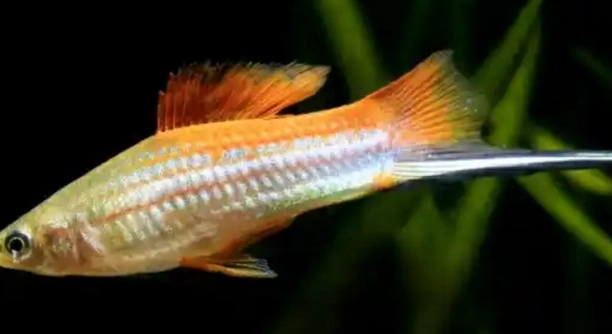
Have you ever found yourself watching your swordtail fish and wondering how they respond to changes in their environment, like light? These quick little swimmers often surprise fish keepers with their alert behavior and lively movements.
Swordtails can detect light changes quickly due to their sensitive eyes and evolved visual system. These fish rely on vision for survival, including feeding and avoiding predators. Rapid light perception allows them to respond efficiently to shifting conditions in their environment.
Understanding how swordtails perceive their surroundings can help improve their care and tank setup for better comfort and health.
How Swordtails Detect Light
Swordtails use their vision to adapt to their surroundings, especially when it comes to changes in light. Their eyes are well-developed and can sense shifts in brightness very quickly. This helps them avoid danger, locate food, and navigate their environment. Their natural habitats often include shallow waters with shifting light, so this ability is essential. Light detection plays a big role in their survival, especially when they are in a community tank with other species. Unlike humans, swordtails rely more heavily on sudden light cues to decide whether to swim away or explore. They also respond to the time of day, which influences their activity levels.
Light sensitivity also helps swordtails understand feeding times. Many fish begin to associate certain lighting patterns with food, and swordtails are no different. This association helps create a predictable routine in the tank, keeping them less stressed.
Even subtle light changes can impact swordtails. A shift in brightness may signal that it’s time to hide, move, or become more active. This quick detection gives them an advantage in both natural and tank settings. Their response may be subtle—like a sudden shift in swimming direction—but it shows how alert they truly are. Maintaining consistent lighting helps them stay calm and active.
Why It Matters for Fish Keepers
Swordtails thrive in tanks with stable lighting and minimal abrupt changes. Consistent light cycles reduce stress and support healthier behavior. Sudden flashes or frequent on-off patterns may confuse or startle them.
Understanding how swordtails respond to light helps improve tank conditions. Many fish keepers overlook how lighting affects behavior, but it can make a big difference. For example, placing the tank near a window might seem harmless, but changing daylight patterns can affect their activity levels. Using a timer for your tank light is an easy fix that keeps everything consistent. Swordtails benefit from a predictable light-dark cycle, which supports rest and feeding schedules. If lights are turned on too suddenly, swordtails might react with sharp movements or retreat to corners. These reactions are signs of light sensitivity, not fear. Creating a calm environment with slow transitions between light and dark helps reduce stress. It’s also important to keep the tank away from areas with constant motion-activated lights or screen reflections. Small details like these can lead to better behavior and stronger health for your swordtails over time.
Factors That Influence Light Detection
Swordtails are more sensitive to changes when the light is sudden or intense. Their quick reactions may be triggered by shadows, bright reflections, or shifts caused by opening curtains or turning on lights too fast. Gradual changes are easier for them to handle.
Age, health, and tank environment all play a role in how swordtails react to light. Younger fish tend to be more active and responsive, while older ones may react more slowly. Poor water quality can also affect their alertness, making them slower to respond. Tank decorations, background color, and placement of lights can either reduce or amplify sudden brightness. Even the position of plants and hiding spots influences how quickly they feel the need to react. When a tank has plenty of shelter, swordtails feel more secure, even with occasional changes in lighting. This sense of safety lowers stress and supports better overall behavior.
Lighting color and spectrum also matter. White or full-spectrum light helps swordtails behave more naturally. On the other hand, strong blue or red lights might overstimulate them or create an unnatural feel. These colors are often used for aesthetic purposes, but they can interfere with normal fish behavior. Balanced lighting is best for comfort and healthy responses.
Supporting Healthy Light Habits
Using a timer ensures a regular light cycle. Swordtails thrive with about 10 to 12 hours of light per day, followed by darkness for rest. This routine supports consistent feeding and activity levels, reducing stress.
Start with a light schedule that mimics natural patterns. Gradual on-off transitions help prevent startle responses. Some aquarium lights come with built-in dimming features, which are useful for softening light changes. If your light doesn’t have that feature, turning on a nearby room light first can help ease the shift. Avoid placing the tank where sudden shadows or glares happen often. These can lead to repeated stress reactions. Also, keep in mind that young fish raised in stable lighting environments usually adapt better to their surroundings. If you ever move the tank, give the swordtails time to adjust to the new lighting situation before making other changes. Their behavior will become more consistent as they settle into a regular rhythm. Reliable light conditions are a simple but important part of daily fish care.
Sudden Light vs. Gradual Change
Sudden light shifts can startle swordtails, causing quick darting or hiding behavior. These reactions are a sign of alertness, not panic. Fish kept in tanks with frequent abrupt light changes may show more signs of stress over time.
Gradual light changes help swordtails stay calm and active. Simulated sunrise and sunset lighting or slowly increasing brightness reduces surprise reactions. This makes their environment feel more natural and comfortable, supporting steady daily routines and better overall health.
Environmental Cues and Behavior
Swordtails often link lighting with daily events like feeding, resting, or swimming patterns. When light cues remain steady, their routines become easier to predict. This kind of predictability supports mental comfort and encourages smoother interactions with other tank mates. Their behavior becomes more relaxed, and they are less likely to act aggressively or hide unnecessarily. Even cleaning routines can be tied to their sense of light and timing. If the lighting stays consistent, swordtails usually settle into their surroundings more easily, reducing stress-related issues like fin nipping or erratic swimming. A calm, stable tank environment leads to healthier fish and fewer problems.
What to Avoid in Tank Lighting
Avoid flickering lights or frequent manual switching, as these can unsettle swordtails. Position your lighting system away from windows, screens, or areas with unpredictable brightness throughout the day.
FAQ
How quickly do swordtails respond to sudden light changes?
Swordtails can respond to changes in lighting within seconds. Their vision adjusts quickly, especially in well-maintained environments. A fast shift in brightness may cause them to dart away, freeze, or seek cover, even if the change is harmless. These movements are instinctive, often tied to how fish respond to predators in the wild. If the tank environment is calm and lighting changes are predictable, swordtails tend to relax over time and respond with less intensity. However, new or sudden changes in lighting may still trigger quick behavioral shifts, even in well-adjusted fish.
Do swordtails get stressed from changing light conditions?
Yes, swordtails can become stressed if the lighting is inconsistent or too harsh. Flickering lights, unpredictable brightness, or a lack of routine can confuse their internal rhythm. Stress in swordtails may show through behaviors like hiding more often, losing appetite, or acting aggressively. A stable light-dark cycle helps keep them calm and reduces anxiety. Avoid shining bright lights directly into the tank or placing it near sources of glare. Dimming options and timers can help create a stable, predictable lighting environment, which is better for their overall health and behavior.
Is it okay to keep lights on for longer than 12 hours?
Keeping lights on longer than 12 hours can interfere with swordtails’ natural activity and rest patterns. Extended lighting might overstimulate them, especially if they have no shaded areas or plants to retreat under. Over time, this can affect their energy levels and immune health. While a few extra minutes occasionally won’t cause harm, consistently long light exposure can lead to stress and behavioral changes. It’s better to follow a steady light cycle, with 10 to 12 hours of light followed by darkness, allowing the fish to maintain a healthy rhythm in their environment.
Can I turn the light on and off manually each day?
You can turn the light on and off manually, but it’s not ideal if the timing changes too much. Fish rely on steady patterns to feel safe. Manual lighting tends to create inconsistent exposure, especially if you forget or turn it on too early or too late. Timers are a helpful tool because they create regularity. If manual control is your only option, try to stay as close to the same schedule as possible each day. This helps your swordtails adapt better and reduces the chance of startling them with sudden changes.
Does tank placement affect how swordtails react to light?
Yes, where you place the tank can influence how your swordtails respond to light. Tanks near windows, televisions, or busy walkways may experience frequent changes in brightness or shadows. These can startle fish and cause ongoing stress. A quieter spot, away from harsh sunlight or sudden lighting shifts, offers a more stable environment. Also, tanks close to electronics may get too much artificial light. Choose a location with consistent, controlled lighting, and try not to place the tank directly under strong ceiling lights or close to doors where people pass frequently.
Should I leave a light on at night for swordtails?
No, swordtails benefit from a period of darkness each night. Leaving a light on disrupts their natural rhythm and can cause restlessness or stress. Just like humans, fish need time to rest and recover. Darkness allows them to slow down their activity and maintain internal balance. If you’re worried about visibility or safety in the room, consider using a dim nightlight nearby instead of lighting the tank itself. Regular light and dark cycles support better behavior, digestion, and overall health in swordtails. A dark, quiet space at night is better for their long-term well-being.
Do swordtails need different lighting as they age?
Older swordtails may not require different lighting, but they often become more sensitive to changes. As fish age, their energy levels and vision may decline slightly, making consistent, softer lighting more beneficial. Bright, harsh lighting might overwhelm them more easily, especially in tanks with minimal hiding spots. Using gentle light levels and keeping the tank setup familiar helps older swordtails feel more secure. Also, slower transitions between light and dark can reduce stress. These changes don’t need to be dramatic—just focus on stability and comfort to support the fish’s aging needs.
Can sudden light changes cause long-term problems?
Frequent sudden light changes can lead to ongoing stress, which affects a swordtail’s health over time. Chronic stress may weaken the immune system, increase susceptibility to disease, and cause erratic behavior. While a single surprise light shift won’t harm them permanently, repeated exposure without recovery time can add up. Providing consistent lighting with gradual transitions helps prevent these issues. It’s also helpful to monitor behavior—if your swordtails seem nervous or restless after lighting changes, adjust your setup to reduce those sudden shifts. Long-term health starts with a calm, steady environment.
Final Thoughts
Swordtails are quick to detect changes in their environment, and lighting is no exception. Their ability to notice sudden light shifts helps them stay alert and safe. While this response is natural, it can become a problem if changes happen too often or without warning. Lights that turn on or off suddenly may cause them to dart, hide, or show signs of stress. These reactions are not just random—they are linked to how swordtails protect themselves from possible threats in the wild. Keeping this in mind is important when setting up a tank or adjusting the lighting around them.
Consistency is key to helping swordtails stay comfortable. A stable light cycle with clear patterns allows them to build a natural routine. Timers and dimmable lighting can help reduce stress by giving swordtails time to adjust. Lighting that slowly increases in brightness during the day and dims in the evening works best. This gives the fish time to adapt and prevents sudden surprises that might cause fear or confusion. Placing the tank in a quiet area without flickering lights or sudden shadows is also helpful. Simple changes like these can improve how swordtails behave and feel in their space.
Paying attention to lighting might seem small, but it plays a big role in swordtails’ health. It affects how active they are, how well they eat, and how safe they feel. Even though they are hardy and adaptable, swordtails still need a stable and calm environment to thrive. Avoiding harsh or flashing lights, limiting light exposure to 10–12 hours, and creating shade with plants or décor can go a long way. Whether you’re caring for young fish or older ones, being mindful of their sensitivity to light makes a difference. A calm and predictable lighting routine supports their natural instincts while keeping them healthy and stress-free.

Hello,
If you enjoy the content that we create, please consider saying a "Thank You!" by leaving a tip.
Every little bit helps us continue crafting quality advice that supports the health, happiness, and well-being of pets around the world, for pets of all shapes, sizes, and species.
We really appreciate the kindness and support that you show us!