
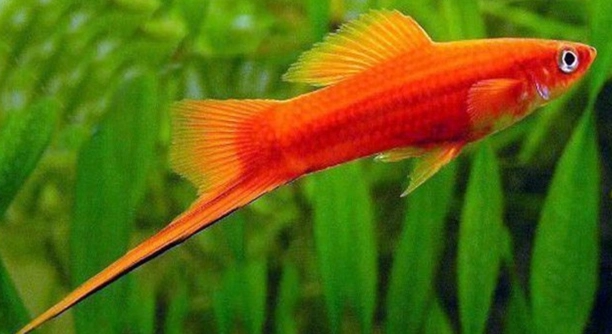
Swordtails are a popular choice for many aquarium enthusiasts. These colorful fish are known for their peaceful nature and beautiful tails. But like many fish, they may exhibit certain behaviors that could suggest territorial tendencies in their tanks.
Swordtails can form territories, particularly males, who may defend their space from other males. This behavior often arises in crowded environments where resources like food or space are limited, leading to competition and territorial marking.
Understanding territorial behavior in swordtails can help you create a more harmonious aquarium environment. Keep reading to learn how to manage these fish’s territorial instincts effectively and ensure they thrive in your tank.
Understanding Swordtail Territory Behavior
Swordtails are generally peaceful fish, but they can become territorial, especially when there’s limited space in the tank. Males, in particular, may establish small areas they defend from other males. This is more common in overcrowded tanks where resources like food or hiding places are limited. These territories are often marked through chasing, fin displays, or even physical contact.
Swordtails may also show aggression towards other males, particularly if there is a shortage of females. This leads them to compete for attention. Although swordtails are typically not aggressive, their territorial behavior can create tension among tankmates. If you notice aggression, it’s important to observe how much space they have and ensure they are not overcrowded.
In a tank where swordtails form territories, it’s essential to offer enough hiding spots and places for fish to retreat to. Overcrowding can lead to stress, which further intensifies territorial disputes. By managing the environment properly, you can reduce the likelihood of aggression and create a more peaceful tank.
How to Reduce Territorial Disputes
Offering plenty of space and hiding spots can minimize territorial issues. Swordtails need room to swim freely and establish their space without clashing with others.
One way to reduce territorial disputes is by ensuring your tank has a good number of hiding spots. This helps swordtails feel safe and allows them to retreat when needed. Another important factor is having a balanced male-to-female ratio. Too many males in a tank can increase competition and lead to more aggressive behavior. Keeping one male for every two or three females can help maintain peace. Also, avoid placing swordtails in tanks that are too small for the number of fish you have.
Swordtails are peaceful fish by nature, and with the right environment, territorial behaviors can be minimized. If the tank is set up properly, swordtails will feel secure, and the likelihood of disputes will decrease. Ensuring the fish have adequate space, proper tankmates, and enough hiding spots creates a more harmonious atmosphere for everyone involved.
Managing Swordtail Tank Size
A swordtail’s behavior largely depends on the size of the tank. If your tank is too small, it may lead to overcrowding, which can stress out the fish and trigger territorial behavior. Swordtails need space to swim and explore.
A tank of at least 20 gallons is recommended for a small group of swordtails. This size allows each fish to claim its own space without constant conflict. With larger tanks, swordtails can spread out, reducing the chances of territorial disputes. A bigger tank also provides room for plants and decorations, offering hiding spots and creating a more natural environment for the fish.
The more space your swordtails have, the less likely they are to feel threatened. A cramped tank increases the chances of them fighting over territory. Consider upgrading your tank if you notice persistent aggression. A larger environment helps swordtails stay active, healthy, and less stressed.
The Role of Plants and Decorations
Adding plants and decorations can make a big difference in how swordtails interact in a tank. These elements provide shelter and create a sense of security for the fish. Swordtails will use plants as hiding spots to escape from aggressive tankmates.
When choosing plants, opt for live ones that can grow and provide more cover. Dense plants, such as Java moss or Anubias, work well for creating secluded spaces. Decor pieces, like rocks and caves, also offer places for swordtails to claim as their own. With these additions, swordtails are less likely to see each other as threats. They will also be able to express their natural behavior in a safer environment.
While adding plants and decorations is essential, make sure they don’t overcrowd the tank. The goal is to provide enough hiding spaces without blocking swimming paths. A well-planted tank encourages swordtails to establish territories peacefully and feel comfortable in their environment.
Swordtail Social Structure
Swordtails are social fish, and their behavior often revolves around their interactions with each other. Males may compete for dominance, while females are usually less involved in territorial disputes. A balanced social structure can reduce stress.
To prevent constant aggression, it’s important to maintain a good ratio of males to females. Swordtail males can be quite competitive, so having more females helps spread out their attention. If you notice one male being overly aggressive, separating him temporarily or reworking the social dynamics can ease tensions. A well-balanced group is key to a peaceful tank.
Swordtail Tankmates
When choosing tankmates for swordtails, consider their temperament. Swordtails do best with peaceful species, like guppies or mollies. Avoid aggressive fish, as they can trigger stress and territorial disputes.
Aggressive species, like certain cichlids, will likely cause tension. Swordtails may become more territorial if they feel threatened. Keeping them with similar, non-aggressive fish creates a more balanced, harmonious aquarium. Always observe interactions and remove any problematic tankmates promptly.
Male Swordtail Behavior
Male swordtails can be quite territorial, especially if the environment is too crowded. They may engage in chasing and fin displays to assert dominance. It’s crucial to observe how they interact and adjust the tank environment to reduce aggression.
Ensuring there are enough females for each male helps reduce the likelihood of fights. If male swordtails feel like their space is threatened, they may act out aggressively. Providing plenty of hiding spots, plants, and swimming space helps alleviate this tension. With proper management, male swordtails can coexist peacefully with minimal territorial conflict.
FAQ
Can swordtails live together in the same tank without fighting?
Swordtails can live together peacefully if they have enough space and the right tank setup. However, males may become territorial and exhibit aggressive behavior, particularly if the tank is too small or overcrowded. To reduce fighting, make sure there is a balanced male-to-female ratio, ideally one male for every two or three females. Providing hiding spots, plants, and plenty of swimming space helps minimize conflict by giving swordtails room to establish territories without constantly clashing.
What size tank do swordtails need to live comfortably?
Swordtails should be kept in a tank that is at least 20 gallons. This size gives them enough space to swim and explore without feeling cramped. If the tank is too small, swordtails may feel stressed, leading to territorial behavior and aggression. Larger tanks provide more room for fish to spread out and for hiding spots or decorations that help reduce territorial disputes.
Do swordtails prefer to live alone or in groups?
Swordtails are social fish and prefer to live in groups. They feel more secure in the presence of other swordtails. A single swordtail may become stressed and anxious due to isolation, leading to possible health issues. A group of at least three swordtails, with a good ratio of males to females, creates a more peaceful tank environment. Just be sure the tank is large enough to accommodate them comfortably.
How can I prevent swordtails from becoming too territorial?
To prevent swordtails from becoming territorial, ensure your tank has enough space. Overcrowding is one of the biggest causes of territorial behavior, as fish feel they need to defend their space. A tank size of 20 gallons or more is ideal for a small group of swordtails. Adding plants, rocks, or other decorations provides hiding spots, allowing swordtails to retreat and avoid constant interaction. Also, maintaining a balanced male-to-female ratio helps minimize aggression among males.
Can swordtail males live together without fighting?
Swordtail males may fight or show territorial behavior, especially when competing for attention from females. If you have multiple males in the same tank, it’s important to provide enough space and hiding spots to reduce conflicts. A good strategy is to have one male per 2-3 females, which helps to spread out the males’ attention and reduces competition. In tanks that are too small, males are more likely to become aggressive toward one another, so space is key.
What are the signs of territorial behavior in swordtails?
Territorial behavior in swordtails can include chasing, fin displays, and sometimes physical contact. Males, especially, may chase other males out of areas they claim as their own. They may also display their sword-like tail to establish dominance. If you notice persistent chasing or aggression, it’s a sign that territorial behavior is taking place. Providing hiding spots and ensuring a proper male-to-female ratio can help ease this tension.
Do swordtails get along with other species in the tank?
Swordtails are peaceful and generally get along with other non-aggressive species, like guppies, mollies, and tetras. However, they may become stressed if housed with more aggressive fish. It’s best to avoid placing swordtails with species known for territorial aggression, such as larger cichlids or aggressive barbs. Swordtails can thrive in a community tank as long as their tankmates are calm and the tank has enough space to accommodate everyone.
Are swordtail females less territorial than males?
Yes, female swordtails are generally less territorial than males. Males often engage in territorial behavior as they compete for the attention of females. Females, on the other hand, are usually more passive and do not exhibit territorial aggression. If you have an issue with territorial males, providing more females to balance the male-to-female ratio can help reduce the intensity of aggression in the tank.
Can swordtails live in a tank with shrimp or snails?
Swordtails can live with shrimp and snails, but there are some things to keep in mind. Swordtails may occasionally nip at smaller shrimp, especially if they are very young or fragile. Larger, more established shrimp like Amano shrimp tend to fare better. Snails are usually safe from swordtail aggression, but swordtails may disturb them while swimming or searching for food. Overall, shrimp and snails can make good tankmates for swordtails if they are large enough to avoid being eaten or harassed.
How can I reduce stress in my swordtail tank?
To reduce stress in a swordtail tank, ensure the fish have enough space and hiding spots. Avoid overcrowding, as it increases competition for resources and space. A balanced male-to-female ratio also helps keep aggression to a minimum. Regular water changes, appropriate tankmates, and a well-planted tank all contribute to a stress-free environment. When swordtails feel safe and comfortable, they are less likely to engage in territorial behavior or experience stress-related health problems.
Is it normal for swordtails to chase each other?
Yes, it is normal for swordtails to chase each other, especially among males. Male swordtails often chase each other to establish dominance and compete for the attention of females. This behavior can be more pronounced in smaller tanks or when there are too many males. While occasional chasing is typical, prolonged chasing or aggressive behavior may indicate that the tank is overcrowded or the social structure is unbalanced. Adjusting the tank setup can help reduce this behavior.
Final Thoughts
Swordtails are generally peaceful fish that can live harmoniously in a well-maintained tank. However, their behavior can change depending on factors like tank size, the number of fish, and the availability of hiding spots. While swordtails are not inherently aggressive, they can become territorial, especially in small or overcrowded tanks. Providing enough space for them to swim freely, along with adding plants and decorations for hiding, can make a big difference in reducing territorial behavior. With a little attention to the tank’s setup, swordtails can coexist peacefully with one another and with other peaceful species.
The social structure of your swordtail tank plays an important role in their behavior. Swordtails do best in groups, with a good balance of males and females. A tank with too many males can result in aggression, as they compete for the attention of females. Ensuring a proper male-to-female ratio helps prevent unnecessary stress and territorial disputes. Additionally, maintaining a stable and peaceful environment with sufficient space for all the fish is crucial. The more secure and comfortable your swordtails feel, the less likely they are to engage in aggressive behavior or territorial disputes.
Ultimately, swordtails can live together without much conflict when their needs are met. It’s important to keep an eye on their behavior, especially if you notice signs of territorial aggression. If any issues arise, try adjusting the tank environment by adding more hiding spots, improving the tank size, or adjusting the male-to-female ratio. By understanding their natural behaviors and providing the right tank conditions, you can help swordtails thrive in a peaceful, stress-free environment. With a little care and attention, swordtails will make a beautiful and harmonious addition to your aquarium.

Hello,
If you enjoy the content that we create, please consider saying a "Thank You!" by leaving a tip.
Every little bit helps us continue crafting quality advice that supports the health, happiness, and well-being of pets around the world, for pets of all shapes, sizes, and species.
We really appreciate the kindness and support that you show us!