
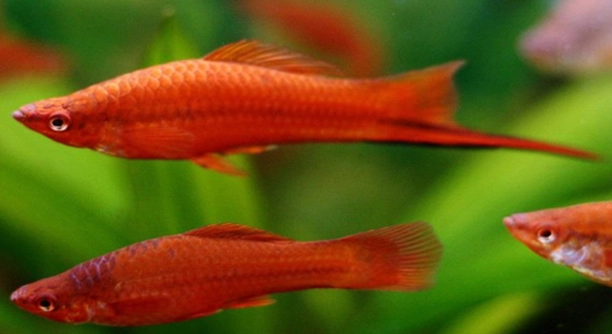
Swordtails are active, colorful fish that can sometimes seem a bit too eager when swimming around their tanks. If you’ve noticed your swordtails ramming into the walls of the tank, you’re probably curious about the cause.
Swordtails often ram the tank walls due to stress, territorial behavior, or environmental factors such as overcrowding or water quality issues. They may also be displaying mating behavior, where males swim erratically or charge at the tank boundaries.
Understanding the reasons behind their behavior is essential for maintaining a healthy and happy environment for your swordtails. Knowing what’s causing this unusual action can help you address any potential concerns.
Common Causes of Swordtails Ramming Tank Walls
One of the most common reasons swordtails ram into tank walls is stress. This stress can come from several sources, including poor water quality, high levels of toxins, or unstable temperatures. If swordtails don’t feel safe in their environment, they may start swimming frantically, sometimes ramming into tank walls. Overcrowding can also contribute to this behavior, as the fish feel confined and unable to establish their territories. Lack of hiding spots, such as plants or decorations, can lead to anxiety, causing swordtails to become agitated.
Stress can be easily managed by improving the tank conditions. Make sure the water is clean and the temperature is stable. You can test the water for ammonia, nitrite, and nitrate levels to ensure they are within acceptable ranges. Adding plants and decorations also helps create a more natural and secure environment for your fish.
While stress is a big factor, it’s also worth considering that swordtails are naturally active fish. Even in healthy conditions, they can sometimes display erratic behavior, especially if they are eager to explore every inch of their tank.
Territorial Behavior and Mating
Swordtails are known for their territorial nature. If there are other fish in the tank, especially males, your swordtails may start charging at the walls. The males might be competing for attention, which leads to increased swimming and chasing. When confined in a small tank, this behavior can become exaggerated, and they may start ramming the tank walls.
Mating behavior also plays a role in this. Male swordtails often swim aggressively toward females, sometimes even bumping into the tank’s glass. The excitement of mating or dominance can trigger fast, repetitive movements near the tank boundaries. To reduce such behavior, it’s important to have a balanced male-to-female ratio. Ideally, there should be more females than males, as this helps to reduce aggressive behavior between males. Adding more hiding spots or even dividing the tank with a separator can give your swordtails more space and reduce conflicts.
Providing a stress-free environment and managing territorial behavior can improve your swordtail’s overall well-being and prevent unnecessary damage to the tank.
Overcrowding in the Tank
Overcrowding can cause swordtails to feel confined and stressed, leading to excessive swimming and ramming into tank walls. Too many fish in a small space can result in territorial disputes, competition for food, and a lack of places to hide, increasing anxiety.
It’s crucial to maintain a proper stocking density in the tank. Swordtails require at least 10 gallons of water for every 3–4 fish, with enough space for each to establish its territory. Avoid cramming too many fish into one tank, as it can quickly lead to conflicts and stress. It’s also a good idea to monitor the fish closely and remove any that appear sick or aggressive.
In addition to overcrowding, the presence of other aggressive or territorial species can exacerbate swordtails’ need for space. Even if the tank is large enough, other fish species might trigger territorial behavior, making the swordtails more likely to ram the walls. Keeping peaceful companions and creating areas for hiding can help reduce this.
Poor Water Quality
Swordtails are highly sensitive to water quality. If the tank’s water is contaminated with ammonia, nitrites, or nitrates, it can cause stress and irritate the fish, leading them to swim erratically and bang against the tank walls. Keeping the water clean is essential.
Regular water changes, at least 20% every week, can help maintain the tank’s water quality. Invest in a reliable filtration system to remove toxins and debris that accumulate over time. Also, check the pH and hardness levels to make sure they fall within the appropriate range for swordtails. Maintaining stable water conditions reduces the chances of stress and abnormal behavior.
High levels of waste or overfeeding can contribute to poor water quality. Swordtails tend to eat anything that floats in the water, but leftover food decomposes and worsens water conditions. To prevent this, feed them only what they can consume within a few minutes.
Lack of Hiding Spaces
Swordtails need places to hide and retreat to feel secure. Without these hiding spots, they can become stressed and start swimming aimlessly or ramming the tank walls. Providing plants, rocks, or decorations helps give your swordtails the security they need to reduce this behavior.
When there are no safe zones, swordtails may feel exposed and agitated. Adding live plants, caves, or driftwood can create more hiding opportunities. These additions will help swordtails feel comfortable and less likely to behave erratically. Keeping your tank well-decorated can also improve the overall look of the aquarium.
Tank Size and Layout
The size and layout of the tank have a significant impact on swordtails’ behavior. A small tank forces them to move in restricted spaces, leading to stress and ramming. A larger tank with more open areas promotes swimming and exploration, reducing frustration.
For swordtails, a tank size of at least 20 gallons is recommended for a small group. Having enough space to swim freely helps decrease territorial disputes and limits stress. Adding natural elements like plants or rocks can also create different swimming zones, encouraging more natural behavior and less wall ramming.
Lighting and Tank Environment
Lighting plays a role in swordtail behavior. Inadequate or too-bright lighting can stress them out. Swordtails thrive in moderate lighting, which simulates natural day-night cycles. Bright lights can cause them to become disoriented and more likely to bump into the walls.
FAQ
Why are my swordtails swimming in circles?
Swordtails may swim in circles if they are stressed, bored, or experiencing environmental issues. It could be due to poor water quality, a lack of hiding spaces, or overcrowding. If your tank is too small or the water conditions are unstable, swordtails can become disoriented and swim aimlessly. Ensure that your tank is large enough and that the water is properly filtered and clean. Adding plants or decorations can also give your fish more structure in their environment, reducing anxiety and helping them behave more naturally.
How can I tell if my swordtails are stressed?
Stress in swordtails can show through behaviors like rapid swimming, swimming at the tank’s surface, hiding more than usual, or ramming the tank walls. Other signs include loss of color, unusual aggression, or excessive breathing at the surface. Poor water quality, overcrowding, or incompatible tank mates can all contribute to stress. If you notice these signs, it’s important to check the water parameters, reduce the number of fish in the tank if needed, and ensure the environment is comfortable for your swordtails.
Do swordtails need companions?
Swordtails are social creatures and thrive in the company of other swordtails. Keeping a small group of swordtails together can help reduce stress and aggression. A single swordtail might feel lonely and more stressed, leading to abnormal behaviors like ramming tank walls. It’s also better to keep more females than males to avoid excessive mating behavior and aggression. However, be mindful of tank size, as overcrowding can lead to stress and territorial disputes.
Can swordtails be kept with other species?
Yes, swordtails can be kept with many peaceful species, but avoid housing them with overly aggressive or territorial fish. Swordtails generally do well in community tanks with species like tetras, mollies, and guppies. Just ensure that the tank is large enough and that the other fish are not too aggressive. Monitoring behavior is key when introducing new tank mates. Swordtails can sometimes show aggression towards other males, so keeping a balanced ratio of males and females can help.
How often should I change the water in my swordtail tank?
Regular water changes are essential for swordtail health. It’s recommended to change about 20-25% of the tank water every week. This helps maintain water quality by removing excess waste, uneaten food, and toxins like ammonia or nitrites. Regular water changes prevent the buildup of harmful substances and provide a healthier environment for your fish. Additionally, make sure to check the water’s pH, hardness, and temperature to ensure it remains suitable for swordtails.
Can swordtails be overfed?
Yes, swordtails can be overfed, which can lead to poor water quality and obesity. Overfeeding can also result in uneaten food breaking down in the tank, raising the levels of nitrates and ammonia. Feed your swordtails small amounts of food they can consume in 2–3 minutes, once or twice a day. Any leftover food should be removed promptly. Overfeeding can lead to stress, health problems, and unbalanced tank conditions, so it’s important to stick to proper feeding habits.
What water temperature is ideal for swordtails?
Swordtails thrive in water temperatures between 72°F and 82°F (22°C to 28°C). Consistent temperature is important, as fluctuations can cause stress and health issues. Investing in a good aquarium heater can help maintain a stable environment. Ensure the heater is appropriate for the size of your tank, and use a thermometer to monitor the temperature regularly. Keeping the water within this range encourages healthy, active behavior in your swordtails.
Why are my swordtails turning pale?
Pale coloration in swordtails may be a sign of stress, poor water quality, or illness. It could also indicate that your swordtail is not getting enough nutrition or is dealing with fluctuating water conditions. Stressors like overcrowding, aggressive tank mates, or improper water parameters can cause your fish to lose their vibrant colors. Ensure the water is clean, the temperature is stable, and the fish are getting a varied, nutritious diet. If the color does not return after addressing environmental factors, consider consulting a veterinarian for further advice.
How can I reduce aggression between swordtails?
Aggression between swordtails, especially males, can be reduced by providing more space, hiding spots, and having a balanced male-to-female ratio. Male swordtails tend to become more aggressive when competing for females. Keeping more females than males helps prevent this behavior. You can also reduce aggression by adding plants, rocks, or dividers to the tank to create territories and decrease conflicts. If aggression persists, consider rehoming the most aggressive individuals or providing separate tanks for overly territorial fish.
Is it normal for swordtails to jump out of the tank?
Swordtails are not particularly known for jumping, but it is possible if they feel threatened, stressed, or if the water quality is poor. Some swordtails might jump if they are startled or if the tank lid is not secure. To prevent this, ensure your tank has a secure lid or cover. It’s also important to provide a stress-free environment with good water quality and enough space. If your swordtail is frequently jumping, check for other signs of distress, such as unusual swimming patterns or aggression.
Final Thoughts
Swordtails are generally easy to care for and can be a lively addition to your aquarium, but understanding their needs is key to ensuring their well-being. Ramming the tank walls can be an indication that something isn’t quite right in their environment. Whether it’s due to stress, territorial behavior, or poor water quality, recognizing the signs early can help prevent further issues. Maintaining a stable tank with proper water conditions, enough space, and a peaceful environment can go a long way in making your swordtails feel more comfortable and reducing undesirable behavior.
It’s also important to keep an eye on their social dynamics. Swordtails, being social fish, thrive when kept in groups, but they also need enough space to avoid territorial disputes. A balanced male-to-female ratio is helpful in preventing aggressive behavior among males. Providing hiding spots and creating areas where your swordtails can feel secure will reduce stress and give them a sense of safety. Even though swordtails are hardy fish, the right environment is crucial for their long-term health and happiness.
If your swordtails are still ramming the tank walls despite improving their living conditions, it could be worth examining the other factors at play. Sometimes, issues like overcrowding, inadequate filtration, or even lighting can cause them to act out. Regular water testing, maintaining a proper feeding schedule, and ensuring a stress-free environment will help your swordtails thrive. By paying attention to their needs and behaviors, you can ensure they live happily and healthily in your aquarium.

Hello,
If you enjoy the content that we create, please consider saying a "Thank You!" by leaving a tip.
Every little bit helps us continue crafting quality advice that supports the health, happiness, and well-being of pets around the world, for pets of all shapes, sizes, and species.
We really appreciate the kindness and support that you show us!