
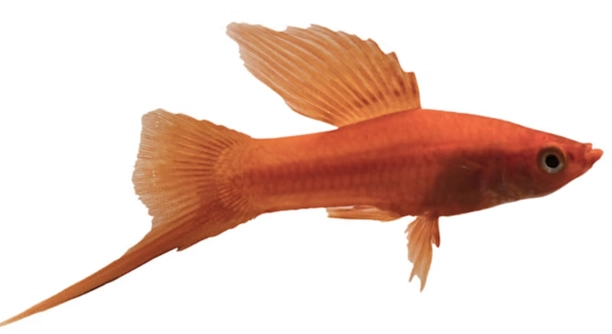
Preparing your swordtails for breeding can be an exciting yet challenging experience. Knowing how to set the right conditions will greatly increase your chances of success. These tips will help ensure a smooth breeding process for your fish.
Proper water conditions, including temperature, pH levels, and cleanliness, are essential to create a comfortable environment for breeding. Providing ample space, a nutritious diet, and specific hiding spots for the females will also promote successful mating and reduce stress.
By following these tips, swordtail keepers can improve their chances of a successful breeding process and create a healthier environment for their fish.
Create the Right Environment for Breeding
The right environment plays a significant role in the breeding success of swordtails. Keep the water temperature between 75°F and 80°F to mimic their natural habitat. Swordtails prefer slightly acidic to neutral water (pH 7.0 to 7.5). It’s important to regularly check the water quality to maintain proper conditions. Any fluctuation in temperature or water quality can stress the fish, leading to lower breeding success.
Adding live plants will help provide hiding spots for females, who need a place to feel safe. Dense plant growth also mimics the natural environment and provides hiding spots for fry after they are born. Swordtails tend to thrive in tanks with both plants and open swimming spaces.
Maintaining clean water with a good filtration system is essential. Regular water changes will ensure the water stays pristine, preventing harmful bacteria from affecting the fish. Fresh, clean water reduces stress and increases the likelihood of successful breeding.
Diet and Nutrition for Swordtails
Swordtails need a nutritious, varied diet to stay healthy and ready for breeding. They thrive on a mix of high-quality flakes, frozen foods, and occasional live foods.
Providing a well-rounded diet supports their immune system, which is crucial for reproductive health. High-protein foods like brine shrimp or bloodworms encourage healthy development in both males and females, while vegetables such as spinach can enhance their overall health. Maintaining a balanced diet also keeps the fish in peak physical condition, ready for breeding.
It’s important to feed them regularly, but not overfeed. Overfeeding can lead to water quality issues and health problems. Healthy swordtails are more likely to breed successfully, so making sure they have access to a wide range of food will keep them in top condition. Additionally, the right diet helps ensure that females can carry healthy fry to term. By providing variety, you support the natural reproductive cycle of the swordtails and increase the likelihood of healthy offspring.
Separate the Males and Females
To ensure successful breeding, separate males and females until they are ready to mate. This prevents stress and allows the males to focus on courtship without overwhelming the females. Keeping them apart also allows for better monitoring of their health.
Once separated, the females will be less stressed, and males can display their vibrant colors, which is part of their natural mating behavior. The males will often swim around the females, showing off their swords and colors to attract their attention. After a few days, introduce them together in a controlled environment.
Monitoring the males’ behavior is key. They should not be overly aggressive. If you notice any signs of stress in the females or excessive chasing, separate them again. Maintaining a balanced, low-stress environment encourages healthier breeding conditions, ensuring the females are comfortable enough to carry the fry to full term.
Provide Hiding Spots for Fry
Once breeding begins, having hiding spots for the fry is essential to protect them from being eaten by the adults. Plants, rocks, and aquarium decorations can provide safe spaces where fry can hide until they grow large enough to fend for themselves.
After the female gives birth, remove her from the tank to avoid her consuming the young. Fry are tiny and vulnerable, making hiding spots crucial for their survival. The adult swordtails, including the male, might see the fry as a snack, so providing ample cover is necessary to give them a chance to grow and thrive.
The hiding spots should be densely planted or equipped with decorations that create safe zones in the tank. A well-planted aquarium will allow the fry to blend in with the surroundings, minimizing the risk of being noticed by adult fish. Ensuring they have plenty of hiding places is one of the easiest ways to protect the newborns and support a healthy swordtail population.
Keep the Tank Clean
Maintaining a clean tank is essential for swordtail breeding. Regular water changes and proper filtration help keep harmful bacteria levels low and ensure the water remains clear. Dirty water can lead to diseases, which affect the health of both adults and fry.
Test the water regularly for ammonia, nitrites, and nitrates. Swordtails are sensitive to poor water conditions, and stress caused by poor water quality can hinder breeding. Keeping the tank clean also improves oxygen levels, which are crucial for the fish’s overall well-being. Frequent water changes, combined with a good filtration system, create a healthier environment for the breeding process.
Monitor the Water Temperature
Swordtails require a stable water temperature for successful breeding. Keep the tank between 75°F and 80°F, as fluctuating temperatures can stress the fish and impact reproduction. A reliable aquarium heater will help maintain this temperature range consistently.
Using a thermometer will ensure you’re keeping the water at the right level. Swordtails are more likely to breed when the water temperature is optimal, promoting a comfortable environment for both males and females. Avoid placing the tank in an area where the temperature fluctuates, such as near windows or air conditioning units.
Use a Suitable Aquarium Size
A proper tank size is vital for breeding swordtails. A 20-gallon tank is the minimum size for breeding pairs, offering enough space for the fish to swim and find suitable hiding places. Overcrowding can lead to stress, which can hinder reproduction.
Having enough room also ensures that the fish can establish territories and avoid constant conflict. If the tank is too small, it may lead to aggression, especially among the males. A larger tank with plenty of space helps create a calm, comfortable environment for the swordtails to thrive in during the breeding process.
FAQ
How long does it take for swordtails to breed?
Swordtails typically take between 3 to 4 weeks to breed. The males will court the females with vibrant displays, and once a female accepts, fertilization occurs internally. After that, it can take another 4 to 6 weeks for the female to carry the fry to full term. During this period, it’s crucial to ensure the female has a stable environment with proper care to support the pregnancy.
What should I do if my swordtail isn’t breeding?
If your swordtails aren’t breeding, there could be several factors to address. Ensure they are in optimal water conditions, with the temperature between 75°F and 80°F. Check the pH levels, ensure the water is clean, and provide a varied diet. Also, make sure there’s a balance of males and females, as too many males can create stress and prevent successful breeding.
Can swordtails breed with other species of fish?
Swordtails generally breed with other swordtail varieties, but crossbreeding with other species can lead to undesirable traits or unhealthy offspring. For best results, stick to breeding within the swordtail family. Crossbreeding with species like platies is possible but may result in hybrid offspring with mixed characteristics, which may not be as hardy or have clear traits.
How can I tell if my swordtail is pregnant?
A pregnant swordtail will show visible signs, such as a noticeably larger, more rounded belly, especially near the rear of the body. The gravid spot, located near the tail, will darken as the fry develop. You may also notice the female swimming more slowly or seeking out hiding spots as she prepares for birth.
What is the best way to care for swordtail fry?
After birth, swordtail fry are tiny but fully formed. It’s essential to move them to a separate tank or provide plenty of hiding spots in the main tank. Fry are vulnerable and can be eaten by adult swordtails if they aren’t protected. Start feeding them crushed flakes or specially designed fry food once they are free-swimming.
How many fry do swordtails have at once?
Swordtails can give birth to anywhere from 20 to 100 fry in one batch. The number varies depending on the size and age of the female. Younger females may produce fewer fry, while older, healthier females can have larger batches. To ensure the survival of as many fry as possible, create a safe environment for them after birth.
How often do swordtails breed?
Swordtails can breed quite frequently, with females capable of producing multiple batches of fry throughout the year. A healthy, well-cared-for female swordtail may produce new fry every 4 to 6 weeks. However, it’s important to give her breaks between breeding cycles to ensure her health is maintained. Overbreeding can lead to exhaustion and poor health.
What should I feed my swordtails to encourage breeding?
A well-balanced, varied diet encourages breeding in swordtails. Feed them high-quality flake foods, supplemented with live or frozen foods like brine shrimp or bloodworms. Vegetables such as spinach or algae-based foods are also beneficial for their health. Providing a nutritious diet ensures the fish are in prime condition to breed successfully.
How can I prevent my swordtail fry from being eaten?
To prevent swordtail fry from being eaten, either remove the adult swordtails after breeding or provide plenty of hiding spots for the fry. Dense plants, rocks, or specially designed breeding boxes can give the fry a chance to escape from hungry adults. Alternatively, use a separate tank to raise the fry until they are large enough to be safe from predators.
Can swordtail fry survive in a community tank?
While it’s possible for swordtail fry to survive in a community tank, it’s unlikely that many will. Adult swordtails may eat the fry if they have access to them. If you want to raise fry in a community tank, ensure there are plenty of hiding spots and consider using a breeding box to protect the young fish.
Final Thoughts
Breeding swordtails can be an enjoyable experience if you provide the right conditions and care. Starting with a healthy pair of swordtails and ensuring they have the right environment is crucial. Proper water quality, temperature, and adequate tank space are all essential factors for successful breeding. With the right setup, swordtails will breed naturally, and you’ll have a healthy population of fry to look after.
It’s important to monitor the tank regularly for any signs of stress or illness. Swordtails are fairly resilient, but poor water quality or overcrowding can quickly affect their health and hinder the breeding process. Offering a well-balanced diet, keeping the tank clean, and providing hiding spots for fry will help ensure that the breeding process goes smoothly. Once the fry are born, it’s essential to protect them from adult swordtails and other tank mates, as they can be seen as food.
Ultimately, successful swordtail breeding comes down to preparation and care. Following the steps outlined, such as separating males and females, maintaining a clean tank, and ensuring a proper diet, will give you the best chance for success. As long as the conditions are right, your swordtails will thrive and reproduce naturally, giving you the opportunity to enjoy watching them grow from fry into fully developed fish. The process can be rewarding, especially when you see the fry grow into healthy adult swordtails.

Hello,
If you enjoy the content that we create, please consider saying a "Thank You!" by leaving a tip.
Every little bit helps us continue crafting quality advice that supports the health, happiness, and well-being of pets around the world, for pets of all shapes, sizes, and species.
We really appreciate the kindness and support that you show us!