
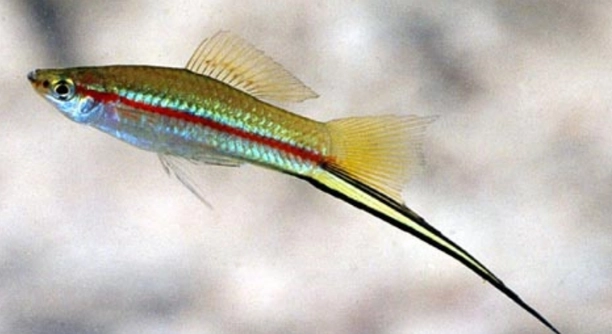
Swordtails, like many other aquarium fish, are often seen congregating near the heater. This behavior might raise questions for aquarium owners trying to understand their fish’s needs. Understanding why this occurs is essential for maintaining a healthy tank.
Swordtails are attracted to the heater due to their need for stable, warm water temperatures. These fish are tropical and thrive in temperatures between 72°F and 82°F. When the water cools down, swordtails instinctively move closer to the heat source for comfort.
The temperature of your tank plays a crucial role in the health of your swordtails. Maintaining a stable environment will help keep your fish happy and healthy, preventing stress-related issues.
Why Swordtails Seek Out the Heater
Swordtails are tropical fish, and like most tropical species, they need a warm and stable environment to thrive. In the wild, their natural habitat is warmer waters, where they are accustomed to temperatures between 72°F and 82°F. Aquariums often replicate this environment using heaters, but the water temperature can fluctuate throughout the day, especially in rooms with varying climates or air conditioning. Swordtails, being sensitive to these changes, instinctively move towards the heater when the water cools down, seeking out warmth for their comfort.
When aquarium heaters are not functioning correctly or there are temperature inconsistencies in the tank, it can cause the swordtails to stay near the heater for extended periods. This is their way of maintaining a stable body temperature. If the heater is too close to the fish, it may lead to stress or even health problems, such as burns or disease. It’s essential to monitor the temperature closely and make adjustments as necessary to ensure the fish are not overexposed to the heater.
The behavior of swordtails near heaters is quite normal, but it also serves as a reminder of how important maintaining the right temperature is in an aquarium. A poorly regulated tank can cause stress or health problems, affecting your swordtails’ well-being. Regularly checking the temperature with a thermometer can help ensure that your fish are not too cold or too hot.
The Right Temperature Range for Swordtails
The right temperature is critical for your swordtails’ health. Keeping the water too cool will slow their metabolism and reduce their energy levels. Similarly, excessively warm water can lead to oxygen depletion, making it harder for them to breathe.
Maintaining a balanced temperature can help swordtails live longer, healthier lives. Aim for a consistent range of 74°F to 78°F to ensure their comfort.
How to Prevent Overheating Near the Heater
If the heater is too close to your swordtails, it can cause them to overheat. To avoid this, make sure the heater is properly placed in the tank, away from where the fish usually swim. Keep an eye on the temperature with an aquarium thermometer to ensure that it remains within a safe range.
Positioning the heater correctly is key to maintaining an even temperature throughout the tank. If it’s too close to the fish, they might stay near it longer than necessary. This could cause overheating, so make sure the heater is located in a spot where it can disperse heat evenly across the entire tank. You might also want to use a heater with an adjustable thermostat for more control.
Ensure that the heater is placed near a good water flow area, allowing the warm water to circulate throughout the tank. This helps keep the temperature even and reduces the risk of certain areas becoming too hot. It’s also important to check the temperature regularly, especially if you have a heater that runs constantly.
Alternative Heating Methods
If you’re concerned about the heater being too close to your swordtails, there are other heating methods you can consider. Using a substrate heater or a more evenly dispersed heating system can provide a steady temperature without creating hot spots.
Substrate heaters are ideal for creating uniform heat in the tank. They work by distributing warmth from the bottom, which helps avoid areas that are too hot or cold. This method allows your swordtails to swim around freely without being drawn to one particular spot near the heater. It’s also a great option if you have live plants in the tank, as they also benefit from a stable temperature.
Another option is using a different style of heater that can heat a larger portion of the tank. Consider a heater that features multiple heating elements, which can help maintain a stable temperature over a larger surface area. This reduces the likelihood of your swordtails staying near the heater for long periods of time.
The Impact of Tank Size on Temperature Stability
A small tank can have more significant temperature fluctuations compared to a larger one. Smaller tanks heat up and cool down more quickly, which can cause your swordtails to spend more time near the heater. Make sure your tank is adequately sized for your fish to help maintain a stable temperature.
A larger tank has a larger volume of water, which takes longer to heat or cool. This can lead to a more stable environment for your swordtails. If you have a small tank, it’s important to pay close attention to temperature changes and adjust the heater accordingly to prevent overheating or cooling.
Water Flow and Heater Placement
Water flow is important when it comes to the placement of the heater. If the water isn’t circulating properly, warm water can stay near the heater and create hot spots. Proper water circulation will help distribute the heat more evenly throughout the tank.
A good filter system and water pump can ensure that the water is evenly distributed across the entire tank, preventing areas from becoming too warm. This will help keep your swordtails away from staying near the heater, ensuring that they have access to the ideal water temperature throughout the tank.
FAQ
Why do swordtails prefer warm water?
Swordtails are tropical fish, which means they naturally thrive in warm environments. In their native habitats, the water temperature ranges between 72°F and 82°F. These temperatures are ideal for their metabolism, digestion, and overall well-being. When the water cools down, swordtails may become sluggish and stressed, so they instinctively move toward the heater to seek warmth. Ensuring your tank remains at the proper temperature is essential for their health and activity levels.
Can swordtails overheat if they stay near the heater too long?
Yes, swordtails can overheat if they stay too close to the heater for extended periods. Overheating can lead to stress, poor health, or even death. It’s important to make sure the heater is placed in a way that prevents hot spots. If your fish are consistently near the heater, you may need to adjust its placement or check the heater’s settings. Regularly monitoring the temperature with a thermometer is a good practice to ensure it stays within a safe range.
How do I know if the heater is too hot for my swordtails?
If the heater is too hot, the water temperature will rise above the optimal range for swordtails, which is between 74°F and 78°F. This can cause the fish to act erratically or show signs of distress, like rapid breathing or lethargy. It’s best to place a thermometer in the tank to monitor the water’s temperature. If the temperature is too high, adjusting the heater or relocating it can help avoid overheating and keep your swordtails comfortable.
How can I prevent my swordtails from gathering near the heater?
To keep your swordtails from staying too close to the heater, ensure that the heater is placed in an area of the tank with good water circulation. This will help distribute the heat evenly throughout the tank, making it less likely that your swordtails will feel the need to stay near the heat source. A well-maintained filter and pump can also improve water movement and temperature balance. Additionally, consider using a heater with a thermostat to control temperature fluctuations more effectively.
Should I use a heater with a built-in thermostat?
Yes, using a heater with a built-in thermostat can help maintain a consistent water temperature. A thermostat-controlled heater will automatically turn off once the desired temperature is reached, preventing the water from overheating. This is particularly useful in preventing sudden temperature spikes or drops, which can stress your swordtails. A stable temperature range is essential for their well-being, and a thermostat ensures that the water stays within that range without frequent adjustments.
Can I keep swordtails in a tank without a heater?
It is possible to keep swordtails in a tank without a heater, but it’s not recommended for long-term care. Swordtails are tropical fish and require warmer water to stay healthy. Without a heater, the water temperature may drop too low, especially in cooler climates or during the winter. If you’re in a warmer environment where the temperature remains consistently within the ideal range for swordtails, you might manage without a heater, but it is still risky. A stable heater is the best way to ensure their health and comfort.
What is the ideal temperature for swordtails?
The ideal water temperature for swordtails is between 74°F and 78°F. This range allows them to thrive, as it promotes proper digestion, metabolism, and overall health. Water that is too cold can cause swordtails to become lethargic and prone to disease, while water that is too hot can lead to oxygen depletion, stress, and overheating. Maintaining a stable temperature within this range is essential for keeping your swordtails happy and active.
Can swordtails tolerate colder water for short periods?
Swordtails can tolerate cooler water for short periods, but it’s not ideal for their long-term health. If the temperature drops below 70°F, swordtails may experience stress and slower metabolic functions. Prolonged exposure to cold water can weaken their immune system, making them more vulnerable to diseases. It’s best to avoid exposing your swordtails to colder temperatures for extended periods and try to keep the tank within their ideal temperature range.
What happens if the water temperature fluctuates too much?
Fluctuating water temperatures can stress your swordtails and compromise their immune system. Frequent temperature changes can cause the fish to become disoriented and reduce their ability to maintain their bodily functions. It can also make them more susceptible to diseases. It’s important to maintain a consistent temperature in the tank by using a reliable heater with a thermostat and regularly checking the temperature with a thermometer. Stability is key for keeping your swordtails healthy.
Do swordtails need a heater in their tank during the summer?
Even during the summer, it’s still important to keep an eye on your swordtails’ tank temperature. While the ambient room temperature may be warmer, the water temperature can fluctuate due to the air conditioner, fans, or even the time of day. If the water gets too warm, a heater with an adjustable thermostat can help regulate the temperature. Some fishkeepers opt to turn off the heater during the summer, but a thermometer will help ensure the water doesn’t become too hot.
Can I place the heater near plants in the tank?
It’s best to avoid placing the heater near plants, as the warmth from the heater can affect them. Plants in the tank rely on a stable temperature to thrive, and if the heater is too close, it can cause the water around the plants to get too hot, which may stress or damage them. Position the heater where it can evenly distribute heat throughout the tank without affecting the plants or fish negatively. Make sure the plants have enough space to grow without being impacted by the heater’s warmth.
Is it safe to use a submersible heater for swordtails?
Yes, submersible heaters are generally safe for swordtails as long as they are correctly sized for the tank. These heaters are designed to be submerged in the water and provide even heating. Ensure that the heater is placed in a location with good water flow to prevent hot spots from forming. Regularly check the heater’s temperature settings and the water temperature to avoid overheating or cooling the tank too much. Submersible heaters are a good choice for maintaining a stable and consistent environment for your swordtails.
How often should I check the water temperature in the tank?
It’s a good practice to check the water temperature at least once a day, especially if you’re using a heater without an automatic thermostat. Water temperature can fluctuate throughout the day, depending on factors like room temperature, lighting, and filter use. A consistent temperature is important for swordtails, so checking it regularly ensures you catch any issues early. Use a reliable thermometer to monitor the tank’s temperature and make adjustments as needed to keep it within the ideal range for your fish.
Final Thoughts
Swordtails, like many tropical fish, are sensitive to changes in their environment, especially temperature. They naturally prefer warmer water and will seek out areas with heat if the tank is too cold. This behavior is not necessarily a problem, but it can indicate that the tank’s temperature isn’t stable or consistent enough for them. Swordtails thrive best when the temperature is between 74°F and 78°F. Keeping the tank at this range will help your fish remain active, healthy, and comfortable, which in turn ensures they live a long and happy life.
To prevent your swordtails from staying too close to the heater, it’s essential to maintain even water circulation and avoid hot spots. This can be achieved by positioning the heater in a spot with good water flow and using a reliable filtration system. The water should circulate well enough to distribute heat throughout the tank, ensuring the temperature stays consistent. A thermometer is crucial for monitoring the temperature, and it’s always a good idea to have a backup in case your heater’s thermostat malfunctions. If your swordtails are still gathering near the heater despite these measures, it could be a sign that the water temperature fluctuates too much or the heater needs adjusting.
A stable and well-maintained tank environment is key to swordtail health. In addition to proper water temperature, ensure your tank is clean, and your swordtails have adequate space to swim and explore. Regular maintenance, including water changes and filter checks, will help avoid water quality issues that could cause stress. Swordtails are relatively hardy, but they do better when their basic needs are met consistently. Paying attention to factors like temperature, water quality, and tank size will make a significant difference in your swordtails’ overall well-being and quality of life.

Hello,
If you enjoy the content that we create, please consider saying a "Thank You!" by leaving a tip.
Every little bit helps us continue crafting quality advice that supports the health, happiness, and well-being of pets around the world, for pets of all shapes, sizes, and species.
We really appreciate the kindness and support that you show us!