
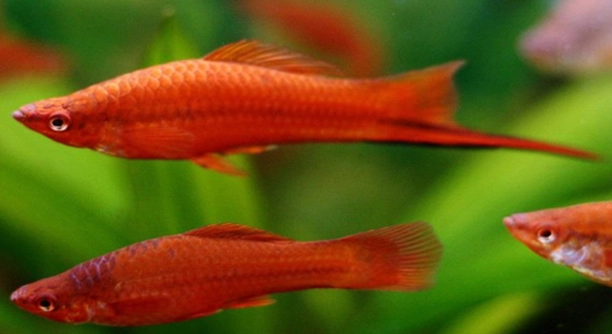
Swordtails are fascinating fish known for their colorful personalities and unique behaviors. Observing their interactions can offer insights into the structure of their social groups. Understanding these behaviors can help you provide better care for your aquatic companions.
Swordtails exhibit specific behaviors when forming a hierarchy. Dominant individuals often assert themselves through physical displays, while subordinate fish may retreat or adjust their behavior. These actions contribute to the overall organization and structure within the group.
These signs of hierarchy are important for understanding your swordtails’ behavior and their social dynamics. Keep reading to learn more about how you can recognize these interactions and what they mean for their well-being.
Recognizing Territorial Behavior in Swordtails
Swordtails are known for their territorial instincts. In a group, the dominant males will often patrol specific areas of the tank, defending their space from others. This behavior is usually a sign that a hierarchy is forming, as the dominant fish want to ensure they have access to resources such as food and space. When a swordtail starts to guard a particular part of the tank, it will display aggressive behaviors like chasing away others or flaring its fins. This territorial behavior is common among many fish species, but in swordtails, it plays a key role in shaping their social structure. Observing your swordtails’ interactions can help you identify which individuals are establishing dominance.
Territorial displays are important for understanding how swordtails assert their dominance. By noticing these actions, you can gain insights into the hierarchy forming in your aquarium.
These territorial behaviors not only help swordtails secure resources but also play a role in reducing conflicts. By establishing boundaries, dominant fish limit competition for food and breeding spots, making it easier for everyone in the group to coexist. This behavior can also influence how swordtails interact with each other, leading to smoother social dynamics over time. However, if the behavior becomes too aggressive, it might be a sign of overcrowding or environmental stress, which can affect the fish’s well-being. Understanding how swordtails establish their territories will allow you to adjust their living conditions to ensure a harmonious tank.
Observing Fins and Body Language
The way swordtails position their bodies and fins can reveal a lot about their social standing. When a swordtail displays its fins in an upright position, it’s often trying to assert dominance. These physical displays, like extended fins or a slightly arched body, signal to others that the fish is in charge of the area. The dominant swordtails will hold these poses longer, showing confidence in their position. At the same time, subordinate swordtails may lower their fins or swim away to avoid direct conflict. Watching these signals in your tank can help you identify the dominant individuals and their role in the social structure.
Swordtails use their fins as an important social cue. Understanding their body language can reveal more about the power dynamics in your tank.
Fins aren’t just used for swimming; they are a tool for communication. Swordtails will often flare their fins in response to another fish’s behavior, signaling dominance or submission. This form of communication helps them avoid physical confrontations while establishing their hierarchy. Subordinate swordtails may avoid direct eye contact and retreat, while the dominant fish will display their fins and hold their ground. These behaviors ensure that the dominant swordtails maintain control without resorting to unnecessary aggression. In some cases, if two males display similar behaviors, they may engage in a brief chase to assert dominance. It’s important to monitor these interactions to ensure that the swordtails are not stressed or harmed. Understanding how these fish communicate can help you create a balanced environment for them.
The Role of Female Swordtails in Hierarchy Formation
In swordtail communities, females also play a part in the social structure. While they might not display the same dominant behaviors as males, their presence influences hierarchy dynamics. Females may respond to dominant males by showing preference in mates or choosing specific territories, which indirectly supports the male hierarchy.
Females often observe the dominant males and interact with them more frequently. These interactions are vital in reinforcing the hierarchy within the group. When a male claims a territory or exhibits dominance, females will typically follow, choosing the best mate based on this established social order. However, females will also avoid overly aggressive males to ensure their safety.
As female swordtails are selective in their interactions with males, they contribute to shaping the group’s balance. By favoring certain males over others, they influence who holds the top positions in the hierarchy. This behavior not only ensures that strong, healthy males have the opportunity to mate but also helps avoid unnecessary aggression between fish. It’s an important factor in maintaining a stable social structure in the tank.
Social Interactions Among Subordinate Swordtails
Subordinate swordtails usually avoid confrontations, focusing on survival rather than dominance. They display submissive behaviors such as swimming away or hiding when confronted by more dominant fish. This passive approach helps avoid conflict and protects them from aggression.
Subordinate swordtails also play a role in the hierarchy by submitting to the dominant fish. These submissive behaviors ensure that the dominant males maintain control over the territory and resources. The lower-ranked fish recognize their place and tend to avoid direct competition for food or mates. However, this submission is not without benefits; by staying out of the way, subordinate swordtails can still thrive in a less stressful environment.
Interestingly, subordinate swordtails sometimes form small social groups within the lower ranks. They interact more with each other than with dominant males, offering a sense of community and support. These groups help maintain a balance within the tank, ensuring that the dominant males don’t completely dominate all aspects of the social structure. Their interactions are subtle but contribute to the overall dynamics of the hierarchy.
Aggressive Displays as a Sign of Dominance
Aggressive displays are a common way for swordtails to establish and reinforce their dominance. These displays typically involve chasing or fin-flaring to assert authority over others. Swordtails will also use their bodies to block access to territories or food sources.
The more dominant fish are quick to defend their space when necessary, showing aggression toward any intruders. These displays of power are not always violent, as they often involve visual signals like spreading fins or blocking access to certain areas. A dominant male might aggressively chase a subordinate out of a territory, reinforcing the pecking order in the group. These displays are part of how the social structure solidifies, creating a balance in the tank environment.
The Impact of Tank Environment on Hierarchy
Swordtail behavior is greatly influenced by their environment. Factors such as tank size, the number of hiding spots, and the presence of other species all play a role in determining how a hierarchy forms. A larger tank with plenty of hiding places will allow swordtails to establish a more complex social structure.
In smaller tanks, overcrowding can lead to more competition and stress, disrupting the balance of the hierarchy. The lack of hiding spots forces swordtails to interact more, leading to frequent aggressive displays and potentially more aggressive fish. The tank environment, therefore, acts as a control for how the hierarchy evolves and influences interactions among the fish. A well-maintained tank supports the natural behavior of swordtails, allowing the hierarchy to form smoothly and keeping aggression in check.
Behavioral Changes When Introducing New Swordtails
Introducing new swordtails into an established group can disrupt the hierarchy. Newcomers often experience aggression from the dominant fish as they try to establish their position in the social structure. The existing group may react defensively to these new arrivals.
This aggression can lead to stress for both the new and established fish. The dominant males will often challenge newcomers, sometimes engaging in physical displays to assert control. Subordinate fish may become more submissive in response to the new hierarchy dynamics, making the transition more challenging. Careful observation is needed during this time to ensure the new fish are properly integrated without causing long-term stress or injury.
FAQ
What is the purpose of hierarchy in swordtails?
Hierarchy in swordtails serves to establish order and reduce aggression within the group. The dominant fish have better access to food, space, and mating opportunities, while subordinate fish avoid unnecessary conflict. This structure helps maintain peace and ensures that resources are distributed in a way that supports the overall health of the group.
How can I tell if swordtails are establishing a hierarchy?
Look for signs such as chasing, fin-flaring, or territory guarding. Dominant males will assert control over space and food. Subordinate fish will either retreat or avoid aggressive interactions, showing submissive body language. These behaviors are clear indicators that a hierarchy is forming.
Do swordtails fight over mates?
Yes, swordtails can display aggressive behavior over mates, especially males competing for the attention of females. Males will use their fins and bodies to display dominance, which may involve chasing or blocking other males. However, females usually choose mates based on the most dominant males.
Can swordtails live together in a tank if there is no clear hierarchy?
While swordtails can live together without a clear hierarchy, it’s not ideal. Without a structured social order, aggression can increase, leading to stress and territorial disputes. Establishing a hierarchy helps maintain peace, making it easier for all fish to coexist and thrive.
How does overcrowding affect swordtail hierarchy?
Overcrowding leads to more competition for food, space, and mates, which can disrupt the natural hierarchy. In a crowded tank, dominant swordtails may become more aggressive, and subordinate fish might experience stress. It’s crucial to maintain an appropriate number of swordtails based on the tank size to prevent such issues.
Is it possible for multiple dominant males to coexist?
Multiple dominant males can coexist in a tank, but it depends on the size of the tank and the number of available territories. In larger tanks with many hiding spots, males can establish separate territories, reducing direct competition. In smaller tanks, aggression may increase as the males compete for limited resources.
How does tank size influence swordtail behavior?
The size of the tank has a significant impact on swordtail behavior. Larger tanks provide more space for swordtails to establish territories, leading to a more stable hierarchy. Smaller tanks can lead to overcrowding, which increases aggression and stress, disrupting the social structure.
Do swordtails need a mate to form a hierarchy?
While swordtails do not need a mate to form a hierarchy, the presence of females influences the hierarchy dynamics. Males often become more dominant when competing for females, and the female’s choice of mate reinforces the dominance of the strongest male.
Can swordtails be kept with other fish in the same tank?
Swordtails can generally coexist with other peaceful species in a community tank. However, their behavior may change depending on the other species. Aggressive or territorial fish can disrupt the swordtails’ hierarchy. It’s important to ensure compatibility with other tankmates to maintain a peaceful environment.
How do swordtails handle stress caused by hierarchy?
Swordtails may show signs of stress when the hierarchy is challenged, such as hiding, reduced activity, or a decrease in eating. Dominant fish might increase aggressive displays, while subordinate fish may become more submissive or anxious. Stress can be minimized by maintaining proper tank conditions and avoiding overcrowding.
What are the signs of an unhealthy hierarchy in swordtails?
An unhealthy hierarchy in swordtails is often marked by excessive aggression, with constant chasing, fin nipping, or injury. If the dominant fish are bullying the subordinates or the subordinates are not allowed to have any space, it indicates a disruption in the social structure. Stress-related behaviors like hiding or loss of appetite are also signs of an unhealthy environment.
How long does it take for swordtails to form a hierarchy?
The time it takes for swordtails to form a hierarchy can vary based on tank size, the number of fish, and available resources. In a well-maintained tank, swordtails may establish a hierarchy within a few days to weeks. However, in crowded or stressful conditions, it may take longer or never fully stabilize.
Can a new swordtail disrupt the existing hierarchy?
Yes, introducing a new swordtail can disrupt the existing hierarchy, especially if the new fish challenges the dominant fish. The established males may engage in aggressive behavior to assert control. It’s important to observe these interactions closely to prevent undue stress or injury to the fish.
Final Thoughts
Swordtails, like many other fish species, naturally form hierarchies in their social structures. These hierarchies help to maintain order and reduce conflict within the group. By establishing dominance and subordination, swordtails are able to efficiently access resources such as food and mates, which promotes overall health and stability in the tank. Understanding how these social structures form and function can help you create a more balanced and peaceful environment for your fish. With the right care, swordtails can thrive in a well-structured hierarchy that allows them to live together harmoniously.
Tank conditions play a significant role in the formation and maintenance of a swordtail hierarchy. Factors like tank size, the number of hiding spots, and the overall environment can influence how these social roles are established. A well-maintained tank with adequate space and resources encourages swordtails to express their natural behaviors without causing excessive stress or aggression. When these fish feel secure in their environment, they are less likely to engage in constant territorial disputes or show signs of stress. A healthy tank not only supports their hierarchy but also enhances their well-being.
When managing a group of swordtails, it’s essential to keep an eye on their behavior, especially during times of change. Introducing new fish or making adjustments to the tank can disrupt the existing hierarchy, leading to temporary conflicts. However, with careful observation and prompt intervention if needed, these disruptions can be managed. It’s important to remember that a well-balanced hierarchy benefits all fish in the tank, promoting a peaceful and stress-free environment for everyone. Understanding these dynamics will allow you to enjoy a flourishing, stable community of swordtails in your aquarium.

Hello,
If you enjoy the content that we create, please consider saying a "Thank You!" by leaving a tip.
Every little bit helps us continue crafting quality advice that supports the health, happiness, and well-being of pets around the world, for pets of all shapes, sizes, and species.
We really appreciate the kindness and support that you show us!