
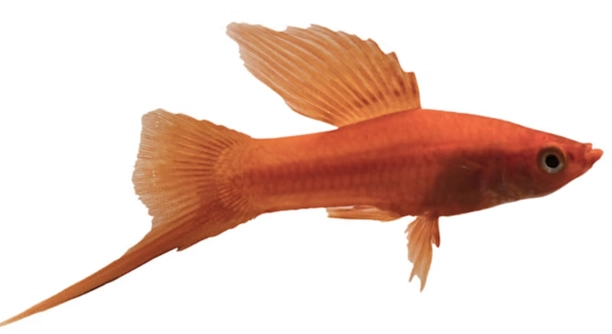
Swordtails are popular freshwater fish known for their vibrant colors and active nature. If you own swordtails and wish to breed them, understanding the right conditions and care is key to successful reproduction.
To encourage swordtails to breed, it’s important to provide optimal water quality, appropriate tank conditions, and a balanced diet. Additionally, keeping both male and female swordtails in a healthy environment, with ample space, will support their breeding efforts.
Creating the right setting for your swordtails will encourage them to reproduce. With the right care, your tank could soon host a new generation of these beautiful fish.
Proper Tank Size and Space for Swordtails
Swordtails thrive in a spacious environment, which is crucial for their well-being and breeding success. A 20-gallon tank is usually the minimum recommended size for a small group of swordtails. Overcrowding can lead to stress, making it harder for them to breed. Adequate space allows them to swim freely, which encourages natural behaviors, including courtship and mating. The more room they have, the less territorial aggression they’ll experience, which is important when trying to get them to breed. Avoid placing other large or aggressive fish in the tank, as this can disrupt the peaceful atmosphere swordtails need.
Swordtails are social creatures and perform better when they have enough room to interact comfortably. A spacious tank also reduces the chances of stress, which can interfere with their breeding behavior.
In a larger tank, swordtails can show off their natural behaviors, including courting each other. The males will often display their colorful fins to attract the females. Having plenty of room to swim means these displays are more likely to happen, and the female swordtails are more likely to respond positively. Additionally, ample space gives the swordtails a sense of security, reducing stress and encouraging them to focus on breeding.
Clean and Stable Water Conditions
For swordtails to breed, clean and stable water conditions are non-negotiable. These fish are sensitive to water quality, and poor water conditions can prevent them from breeding altogether. A stable temperature between 75°F and 80°F (24°C-27°C) is ideal. Regular water changes are essential to keep toxins in check. Water filters also help maintain clean conditions by removing waste and debris, ensuring the water remains fresh. It’s equally important to check the pH and hardness levels of the water. Swordtails prefer slightly alkaline water with a pH of 7.0 to 8.0 and moderate hardness.
Proper water conditions play a significant role in the health of your swordtails. Maintaining good water quality will support breeding efforts.
By regularly monitoring the water quality and making necessary adjustments, you can ensure the best environment for your swordtails. Clean water helps reduce stress, which is a key factor in their ability to breed. When the water is ideal, swordtails can grow stronger, healthier, and more active, boosting their chances of successful reproduction. Additionally, using water conditioners designed for aquarium use can help create the optimal water balance, giving your swordtails the best chance to thrive and breed.
Provide a Balanced Diet
A varied and balanced diet is key to swordtails’ health and reproductive success. Offer a mix of high-quality flakes, pellets, and live or frozen foods like brine shrimp and daphnia. This ensures they get the necessary nutrients to stay healthy and breed effectively. Regular feeding boosts energy and encourages breeding behaviors.
Swordtails need a good amount of protein to encourage breeding. Live foods, such as brine shrimp or bloodworms, can help to provide this. Offering these food types mimics their natural diet, encouraging healthy growth and development. Vegetables, such as blanched spinach or zucchini, are also important for fiber and overall digestive health. Overfeeding should be avoided, as it can lead to water quality issues, but feeding a mix of protein and greens ensures swordtails receive all the necessary nutrients.
A well-fed swordtail is more likely to breed successfully. It’s essential to feed them at least once or twice a day with a variety of foods. The healthier they are, the better their chances of reproducing. A proper diet enhances their color and energy, making them more active and engaging in courtship behaviors, which helps encourage the breeding process.
Separate Males and Females
Swordtails should be housed in a balanced male-to-female ratio. Too many males can lead to aggression, making it difficult for them to breed. Aim for two or three females for every male. This setup helps reduce competition for mates, which encourages a peaceful environment where swordtails can focus on reproduction.
To encourage breeding, it’s important to separate males and females in the tank when necessary. The males will often compete for the attention of the females, and having too many males can stress them out. A proper male-to-female ratio helps to ease this competition, giving females the space to choose a mate. Less aggression among the males creates a less stressful environment for everyone, leading to higher breeding success.
Stress can prevent swordtails from mating, and creating a peaceful tank environment is one of the simplest ways to reduce stress. Keeping a balanced male-to-female ratio means that swordtails have a better chance of showing their natural mating behaviors, leading to more successful breeding. It’s a small adjustment that can make a big difference in encouraging them to reproduce.
Provide Hiding Spaces
Swordtails need places to hide, especially during breeding. Adding plants, rocks, or decorations creates a safe space where swordtails can retreat when needed. These hiding spots also provide shelter for newborn fry once they are born. Swordtails feel more comfortable and secure in their environment when they have privacy.
Creating hiding spots in the tank helps reduce stress and aggression. Swordtails are naturally shy, and having space to hide gives them comfort. It’s also essential for pregnant females, as they might need a place to rest or escape from males during the breeding period. These hiding spots ensure a more relaxed breeding environment.
Maintain Proper Lighting
Proper lighting is essential for swordtails. Too much light can cause stress, while too little can interfere with their natural behaviors. Use low to moderate lighting in the tank to mimic a natural environment. Swordtails are active during the day, so having the right light cycle is vital.
Swordtails thrive under a light cycle that mimics their natural environment. A consistent 12-hour day and night cycle helps regulate their behavior and supports healthy breeding. It’s best to turn the lights off at night to give them a proper rest period. Proper lighting can enhance their colors and encourage natural activities, including breeding.
Monitor Water Temperature
Swordtails are tropical fish that require a stable water temperature between 75°F and 80°F. Temperatures outside this range can stress the fish and affect their breeding. Use a reliable aquarium heater to maintain the water temperature. Stable warmth encourages healthy growth and successful reproduction in swordtails.
A fluctuating water temperature can create an unstable environment for swordtails. Keeping the water at a consistent temperature ensures they remain healthy and comfortable. This reduces stress and makes it easier for them to focus on breeding. Avoid sudden temperature changes, as these can disrupt the breeding cycle and hinder reproduction efforts.
FAQ
How do I know when my swordtails are ready to breed?
Swordtails become sexually mature at around 4 to 6 months of age. You can usually tell by observing the males’ colorful fins and the sword-like tail they develop. Females are typically larger and rounder, especially when they are carrying eggs. Once they reach maturity, they’ll begin to show interest in mating. If your swordtails are healthy and the water conditions are right, they will likely start showing signs of readiness for breeding.
How can I encourage my swordtails to breed?
To encourage swordtails to breed, it’s important to provide a stable and clean environment. Ensure that the water quality is excellent, with a temperature between 75°F and 80°F. Make sure you have a good male-to-female ratio, around 1 male for every 2-3 females. Providing hiding spots also reduces stress, especially for pregnant females. Feeding a balanced diet with plenty of live foods will also improve their health, making them more likely to breed.
Can swordtails breed in a community tank?
Yes, swordtails can breed in a community tank as long as the tank mates are peaceful. However, some aggressive species might stress out the swordtails, affecting their breeding. It’s important to maintain a balance of tank mates that won’t disturb them, and ensure that there are enough hiding spots for the female swordtails to retreat to when needed. You may also want to have a separate breeding tank to increase the chances of successful reproduction.
How long does it take for swordtail fry to grow?
Swordtail fry typically grow quickly, reaching a size where they can swim and fend for themselves in about 4 to 6 weeks. They will begin to show their unique features, such as their tails, within a few weeks of birth. Keeping the fry in a separate tank or section of the aquarium will ensure they grow without competition from adult fish, allowing them to develop at a healthy pace.
Do swordtails need a specific pH level to breed?
Swordtails prefer slightly alkaline water with a pH between 7.0 and 8.0. Keeping the water in this range helps mimic their natural habitat and encourages healthy breeding. While swordtails are relatively tolerant of different water conditions, maintaining a stable pH within this range helps reduce stress and improves the chances of successful reproduction.
How many babies can swordtails have?
Swordtails are livebearers, which means they give birth to live young instead of laying eggs. A single female swordtail can have anywhere from 20 to 100 fry per pregnancy, depending on her size, age, and health. Typically, females will give birth every 4 to 6 weeks if the conditions are ideal. The number of fry can vary with each pregnancy, and sometimes females will give birth to smaller batches if they are stressed or not in the best health.
Should I separate the males and females after breeding?
Once your swordtail fry are born, it’s a good idea to separate the males and females, especially as they mature. Male swordtails may attempt to mate with the females right after birth, which can cause stress and prevent females from recovering properly. Separating them also prevents overbreeding, ensuring that females have a chance to regain their strength before another round of breeding.
What can I do if my swordtails are not breeding?
If your swordtails are not breeding, check the water quality first. Make sure the temperature is within the 75°F to 80°F range, and the pH is slightly alkaline. Additionally, ensure that your fish are getting a balanced diet. Swordtails might also need more space or hiding spots to reduce stress. If the males are being too aggressive, consider reducing the number of males in the tank or adding more females to balance the ratio. Patience is key, as some swordtails may take time to adjust to their environment before breeding.
How can I care for swordtail fry?
Caring for swordtail fry requires providing them with a safe environment. After birth, the fry should be separated from adult fish to prevent them from being eaten. You can use a breeding box or a separate tank for the fry. Feed them finely crushed flakes, baby brine shrimp, or infusoria until they grow large enough to eat larger foods. Ensure the water temperature is stable, and keep the water quality high. As the fry grow, gradually introduce them to the main tank with adult swordtails once they are large enough to avoid being eaten.
Why do my swordtails keep dying?
If your swordtails are dying, there could be several factors at play. Poor water quality is one of the most common reasons, so check the water parameters regularly. Overcrowding, aggressive tank mates, or incorrect temperatures can also lead to stress and illness. Another factor could be an unbalanced diet, as swordtails need a variety of foods to stay healthy. If your swordtails continue to die, consider isolating the affected fish and reviewing the water conditions, diet, and tank environment to ensure everything is optimal.
Final Thoughts
Breeding swordtails can be a rewarding experience, but it requires attention to detail and patience. By ensuring that the tank is spacious, the water conditions are stable, and the diet is balanced, you can create an environment where swordtails feel comfortable and ready to reproduce. Providing hiding spots and maintaining a good male-to-female ratio also plays a key role in encouraging successful breeding. It’s important to understand that breeding doesn’t always happen immediately, and sometimes it can take time for your swordtails to adjust and start mating.
While swordtails are relatively easy to care for, their breeding habits can be influenced by a variety of factors. Temperature, water quality, and the overall environment all need to be considered for the best results. In addition to these factors, stress can be a significant barrier to breeding. If your swordtails are feeling stressed or threatened by tank mates or environmental conditions, it may prevent them from breeding. Creating a peaceful and supportive environment helps swordtails feel secure and more likely to reproduce. This is why taking the time to check their surroundings and adjusting where necessary can be essential to their breeding success.
Ultimately, patience and observation are crucial in the breeding process. Swordtails are resilient and adaptable fish, but understanding their needs will greatly improve your chances of success. As you continue to maintain their environment and care for them, you’ll likely see new generations of swordtail fry swimming in your tank. With the right conditions, these beautiful fish can thrive and breed repeatedly, giving you the joy of watching them grow and flourish in your aquarium.

Hello,
If you enjoy the content that we create, please consider saying a "Thank You!" by leaving a tip.
Every little bit helps us continue crafting quality advice that supports the health, happiness, and well-being of pets around the world, for pets of all shapes, sizes, and species.
We really appreciate the kindness and support that you show us!