
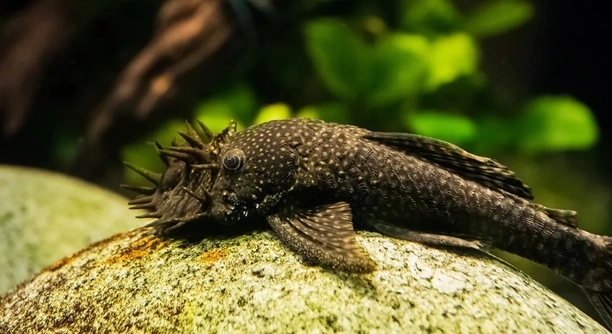
A Plecostomus, a popular aquarium fish, is known for its unique behavior of gasping at the surface of the water. This behavior can be concerning for fish owners, as it might signal an underlying issue.
The primary reason a Plecostomus may gasp at the surface is due to low oxygen levels in the tank. This can occur when the water is not properly aerated, or if the temperature is too high, reducing oxygen solubility.
Understanding why your Plecostomus is gasping will allow you to take steps to improve water quality and maintain the health of your fish.
Low Oxygen Levels in the Tank
When oxygen levels drop in an aquarium, fish struggle to breathe properly. A Plecostomus, being a bottom dweller, is especially sensitive to this because it relies on adequate oxygen for survival. Low oxygen can be caused by overcrowding, inadequate filtration, or poor water movement. Over time, these factors can lead to your fish gasping at the surface in an attempt to take in more air.
To solve this problem, you can increase aeration with an air pump or a filter with a higher flow rate. It is important to ensure that water is circulated well, as stagnant water can contribute to oxygen depletion. Regular water changes can also help replenish oxygen levels, especially if the tank has been neglected for some time.
Keeping your tank properly maintained and monitoring oxygen levels can prevent this issue from reoccurring. Adding plants can also help, as they naturally produce oxygen, improving the overall environment.
High Water Temperature
A Plecostomus may also gasp at the surface if the water temperature is too high. When water is warmer, it holds less oxygen, making it harder for the fish to breathe.
In a tank that is too warm, fish often seek cooler areas of the tank or gasp for air at the surface. The ideal water temperature for a Plecostomus is between 75-80°F (24-27°C).
If the water temperature rises above this range, it may cause distress to the fish. In addition to regulating temperature, ensure proper water filtration to keep the tank clean and oxygenated. Installing a fan or a cooling system can help lower the temperature, preventing your fish from struggling.
Poor Water Quality
Dirty water is another factor that can cause a Plecostomus to gasp at the surface. When the water contains excess waste, uneaten food, or harmful chemicals, it reduces the oxygen available for the fish. The buildup of toxins like ammonia and nitrites further stresses the fish.
Regular water testing is essential to ensure proper water quality. Testing for ammonia, nitrites, and nitrates will help you understand the balance in your tank. If levels are too high, a water change is necessary to dilute the toxins. Also, ensure the tank is filtered well, as this helps remove harmful substances.
To keep the water clean, avoid overfeeding your Plecostomus. Remove uneaten food after a few hours and clean the substrate regularly. Additionally, using a high-quality filter can make a noticeable difference. Keeping water parameters stable ensures your Plecostomus will thrive and reduces the risk of health problems.
Stress from Tankmates
Your Plecostomus may be gasping at the surface due to stress from aggressive tankmates. Fish that are overly territorial or hostile can cause your Pleco to feel unsafe and anxious, leading to surface breathing.
To reduce stress, carefully select tankmates that are compatible with your Plecostomus. Avoid species known for aggression or ones that invade the Pleco’s space. It’s important to provide hiding spots and shelter for your Pleco, as this allows it to feel secure.
You should also observe the behavior of the other fish. If they are too active or constantly chasing the Plecostomus, consider moving them to a different tank or rearranging the layout of the aquarium. This can reduce territorial disputes and help your Pleco feel more at ease in its environment.
Overcrowding in the Tank
Overcrowding in an aquarium can lead to low oxygen levels and increased competition for space, both of which can stress your Plecostomus. As the number of fish in the tank increases, oxygen is consumed more quickly, causing your Pleco to gasp for air at the surface.
To avoid overcrowding, ensure the tank size is appropriate for the number of fish you have. A general guideline is to allow 1 inch of fish per gallon of water. If the tank is too small, your Plecostomus won’t have enough room to thrive and will be more likely to struggle with oxygen.
Improper Filtration
If your filter isn’t powerful enough for the tank size, it may not be able to keep the water clean or oxygenated. A weak filter can lead to poor water circulation, resulting in stagnant areas where oxygen is scarce.
Choosing the right filter is essential for maintaining a healthy aquarium. Ensure the filter can handle the size of your tank and provide adequate filtration. Regularly clean the filter and replace its media to ensure it functions efficiently. Proper filtration reduces the buildup of toxins and ensures the water remains oxygenated.
Inadequate Diet
A poor diet can also contribute to your Plecostomus gasping for air. Without the proper nutrients, your fish may become weaker and less efficient in oxygen uptake. Providing a balanced diet ensures your Pleco stays healthy and active.
Feed your Plecostomus a variety of foods, including algae wafers, vegetables, and occasional protein. Ensure the food is fresh and of high quality. A well-nourished Pleco will be less stressed and more resilient to environmental changes.
FAQ
Why is my Plecostomus gasping at the surface?
Plecostomus gasping at the surface is often a sign of low oxygen levels in the tank. Poor water quality, high temperatures, overcrowding, or inadequate filtration can all contribute to this issue. It’s essential to assess water conditions, temperature, and tankmates to ensure a healthy environment for your fish.
How can I increase oxygen levels for my Plecostomus?
To increase oxygen levels, ensure your tank is properly aerated with an air pump or a filter that promotes water movement. Regular water changes and maintaining a stable, appropriate temperature can also help increase oxygen. Plants in the tank naturally produce oxygen, further improving the environment for your fish.
Can high water temperature cause my Plecostomus to gasp for air?
Yes, high water temperature reduces the oxygen levels in the tank. Warm water holds less dissolved oxygen, making it harder for your Plecostomus to breathe. Keeping the water temperature between 75°F and 80°F (24°C and 27°C) ensures a healthy environment for your fish and prevents oxygen depletion.
What should I do if my Plecostomus is stressed?
Stress in Plecostomus can lead to abnormal behavior, including gasping for air. Reducing stress involves keeping the tank free of aggressive tankmates, providing hiding spots, and avoiding sudden changes in water conditions. Observing the behavior of all fish in the tank helps identify potential stressors.
Can overcrowding affect my Plecostomus’ breathing?
Overcrowding can cause a decrease in oxygen levels as more fish consume the available oxygen. It can also increase waste production, which can affect water quality. Make sure your tank is large enough for the number of fish you have and maintain good filtration to prevent overcrowding from becoming a problem.
How often should I clean my Plecostomus tank?
Cleaning your tank regularly is crucial to maintaining a healthy environment. A partial water change should be done every 1-2 weeks, and the substrate should be vacuumed during these changes to remove any debris or uneaten food. Filters should also be cleaned regularly to ensure they work efficiently.
What is the best way to feed my Plecostomus?
A balanced diet is key for your Plecostomus’ health. They should be fed algae wafers, fresh vegetables like zucchini or spinach, and occasional protein such as brine shrimp. Avoid overfeeding, as uneaten food can pollute the water and affect oxygen levels. A varied diet keeps your fish healthy and active.
How can I tell if my Plecostomus is unhealthy?
Signs of an unhealthy Plecostomus include gasping at the surface, reduced activity, faded color, and abnormal swimming behavior. If your Pleco seems lethargic, refuses food, or has visible injuries, it may be a sign of stress or disease. Monitoring water quality and diet can prevent many health issues.
Can my Plecostomus live with other fish?
Plecostomus are generally peaceful fish, but they can be territorial. They are best kept with non-aggressive tankmates that won’t invade their space. Avoid housing them with overly active or aggressive species that may stress the Pleco. Additionally, always ensure there is enough hiding space for your Pleco to retreat when needed.
How do I improve water quality for my Plecostomus?
To improve water quality, maintain a proper filtration system that matches the size of your tank. Regularly test the water for ammonia, nitrites, and nitrates, and perform water changes when necessary. Remove excess food and waste from the substrate, and keep the tank free from algae buildup to ensure a clean, oxygen-rich environment.
Why is my Plecostomus not eating?
If your Plecostomus isn’t eating, it could be due to stress, illness, or poor water conditions. Ensure the water temperature is stable, the tank isn’t overcrowded, and there are no aggressive tankmates. Try offering different types of food to entice your fish. If the issue persists, consider consulting an aquarium expert.
How can I tell if my Plecostomus is getting enough oxygen?
A healthy Plecostomus will swim normally and breathe steadily without spending too much time at the surface. If your Plecostomus is gasping for air or swimming near the surface frequently, this could indicate oxygen deficiency in the tank. Proper aeration and water quality can help ensure your fish gets the oxygen it needs.
How does filtration affect my Plecostomus?
Filtration plays a key role in maintaining water quality and oxygen levels. A good filter helps remove toxins, excess waste, and uneaten food from the water, which improves oxygenation. If the filter isn’t powerful enough or is clogged, water quality will decline, leading to gasping and other health problems for your Plecostomus.
What size tank does my Plecostomus need?
A Plecostomus requires a minimum of a 75-gallon tank, especially when fully grown. They need plenty of space to swim and access to hiding spots. A larger tank also allows for better water quality management, reducing the risks of overcrowding and low oxygen levels.
Can water changes help my Plecostomus breathe better?
Yes, regular water changes are essential for maintaining water quality and oxygen levels. They help remove toxins, reduce waste buildup, and replenish oxygen. Aim to perform partial water changes every 1-2 weeks, and monitor the water parameters to ensure a stable environment for your Plecostomus.
Final Thoughts
Understanding why your Plecostomus is gasping at the surface is key to addressing the issue. It usually points to a problem with the water quality, oxygen levels, or tank conditions. Common causes include overcrowding, poor filtration, high water temperature, or an improper diet. Keeping the tank clean and ensuring that the fish have adequate space to swim can help reduce stress and prevent this issue from occurring. If the tank isn’t properly aerated, using an air pump or adjusting the filter to create more water movement may help as well.
Another important factor to consider is the health of your Plecostomus. If gasping continues despite addressing environmental factors, it could be a sign of illness. It’s crucial to observe their behavior closely for any other symptoms such as reduced activity, loss of appetite, or abnormal swimming patterns. Regular water testing and ensuring a balanced diet are essential to keeping your fish healthy. Stress can cause many problems in aquariums, and addressing potential stressors like aggressive tankmates or sudden changes in the environment can go a long way in promoting your fish’s well-being.
In summary, ensuring proper tank conditions, maintaining good water quality, and offering a balanced diet will help your Plecostomus thrive. If gasping at the surface becomes a recurring issue, it’s important to investigate the underlying cause and make necessary adjustments. With the right care and attention to detail, your Plecostomus can lead a healthy, happy life in your aquarium. Regular maintenance and monitoring are vital to avoiding these issues in the future, ensuring that your fish remain comfortable and stress-free.

Hello,
If you enjoy the content that we create, please consider saying a "Thank You!" by leaving a tip.
Every little bit helps us continue crafting quality advice that supports the health, happiness, and well-being of pets around the world, for pets of all shapes, sizes, and species.
We really appreciate the kindness and support that you show us!