
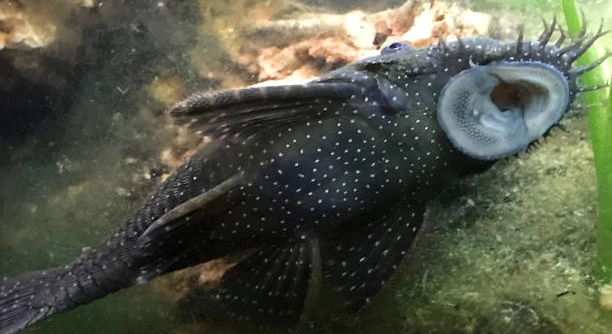
As plecos age, subtle signs start to show, making it important to recognize when your fish is getting older. Their changes can impact care and environment needs. Identifying these signs helps ensure they stay healthy for as long as possible.
Plecos typically age as their growth slows and their behavior changes. Older plecos may have slower movements, faded coloring, and become less active. They may also show signs of wear on their bodies, like damaged fins or an increase in resting time.
Recognizing these changes will allow you to care for your pleco properly and maintain its health as it ages.
Recognizing the Signs of an Aging Pleco
As plecos grow older, they undergo noticeable changes in their physical appearance and behavior. These changes can be subtle at first, but they are important to watch for. One of the first signs of aging in plecos is a slowing down of their activity levels. Younger plecos are often active swimmers and explorers, while older plecos tend to rest more often or move more slowly. Their appetite may also decrease, and they might not be as eager to feed. This could also be a result of changes in metabolism as they age. Another sign to look for is fading color. Many plecos, especially those with vibrant hues, may lose some of their brightness as they grow older. While it is common for their natural colors to soften with age, extreme color changes could signal health problems that need attention.
Their fins and skin may also show signs of wear, such as fraying or increased mucus production. These are physical markers that tell you your pleco may need more care and attention. Regular tank cleaning and monitoring of water quality can help alleviate some of these issues, ensuring your pleco remains comfortable.
Older plecos can also show a change in behavior when it comes to interacting with their environment. As they age, they may become more territorial or reclusive. It is not uncommon for them to choose darker, quieter spots in the tank to rest, moving less frequently. Their once bold and curious nature may give way to a more laid-back lifestyle. This behavior is perfectly natural, but it’s crucial to monitor your pleco closely to ensure that it isn’t experiencing any discomfort. If you notice other unusual symptoms, like difficulty swimming or loss of appetite, it could indicate a health issue.
Changes in Diet and Appetite
As plecos age, their dietary needs may shift. They may not require as much food as they did when they were younger. You may notice that they start eating less or even avoid certain types of food they once enjoyed. This is a natural part of the aging process.
It’s important to continue offering a variety of foods, but you might need to adjust portion sizes or experiment with different types of food. Older plecos may benefit from softer foods or ones that are easier to digest. For instance, sinking pellets or blanched vegetables like zucchini can be a good option for senior plecos. You may also find that they are less inclined to graze on algae as much as they used to. This could be a sign that their digestion has slowed down or that their metabolism isn’t what it once was.
Slower Growth and Development
As plecos age, their growth rate decreases significantly. While younger plecos grow quickly, older plecos may only add a small amount of size over time. This slower growth is a natural result of their aging process, as their metabolism slows down. If you have an older pleco, you might notice that it has reached a certain size and stopped growing altogether. This is nothing to worry about unless the pleco is significantly smaller than expected for its species.
Even if growth slows, it’s essential to ensure your pleco is still getting the nutrients it needs. Older plecos can be more susceptible to malnutrition, so it’s important to maintain a consistent, balanced diet. Watch for any signs of weight loss or poor condition, as these could be symptoms of other issues like disease or stress.
Plecos are typically hardy fish, but their aging process can make them more vulnerable to environmental changes. Maintaining water quality and tank stability is crucial as they grow older. If your pleco is not growing or appears stunted, you may need to check your tank’s water parameters more carefully and make adjustments to ensure they are ideal.
Maintaining a Healthy Tank Environment
A healthy tank environment is even more crucial for older plecos. Aging fish may have a harder time adjusting to changes in water temperature, pH levels, and ammonia levels. Make sure to perform regular water tests and adjustments to ensure the environment is ideal. Older plecos are also more sensitive to poor water quality, which can lead to stress or health issues.
In addition to water quality, older plecos often benefit from a well-maintained tank with proper hiding spots and low current areas. These fish prefer quiet, calm places to rest, especially as they get older. Adding more decorations like caves or plants can create spaces where your pleco can feel secure and less stressed.
Changes in tankmates can also affect older plecos. They may not tolerate aggressive fish or overly active tankmates. It’s best to keep their environment as stable as possible, which includes avoiding introducing new species or making major changes to the tank that could create unnecessary stress for your aging pleco.
Changes in Behavior and Activity
Older plecos tend to become less active and more reclusive. They may spend more time resting in caves or hiding spots rather than swimming around. This decrease in movement is a normal part of aging, but it’s essential to ensure they aren’t showing signs of distress or illness.
While their activity levels may decline, it doesn’t necessarily indicate a problem. As long as they continue eating and breathing normally, their behavior is likely just part of the aging process. However, if you notice drastic changes in their movement or unusual behavior, it may be time to investigate further.
Monitoring Their Health
Regular monitoring of your pleco’s health is critical as they age. Look for any signs of physical discomfort, such as bloated bellies or difficulty swimming. A sudden change in their behavior or appearance can indicate health problems that require prompt attention. Proper care can help ensure they live a long, healthy life.
Regular Water Changes
As plecos age, their tolerance to poor water conditions decreases. Older plecos may become stressed more easily, so regular water changes are important to keep the tank clean and safe. A consistent water change schedule will help prevent ammonia or nitrite buildup, which can harm older fish.
FAQ
How can I tell if my pleco is sick or just aging?
When a pleco is aging, it’s normal for them to slow down and rest more. However, if your pleco suddenly shows drastic changes, such as floating near the surface, rapid gill movement, or not eating at all, it could be sick. Keep an eye on their behavior and look for signs of illness like bloating, faded coloration, or lesions on their body. If these symptoms appear, it’s a good idea to consult with an aquarium specialist or veterinarian.
Should I adjust my pleco’s diet as it ages?
Yes, older plecos may not be able to digest certain foods as easily as when they were younger. Their appetite may also decrease. It’s essential to offer them softer, easier-to-digest foods, like blanched vegetables (zucchini, cucumber) and high-quality sinking pellets. Reducing the size of food portions may also help prevent digestive issues. Monitor their eating habits and adjust accordingly.
How often should I clean the tank for an older pleco?
Older plecos are more sensitive to changes in water quality. Keeping the tank clean is crucial, but over-cleaning can stress them out. Perform regular water changes—about 20-30% every week—and remove any uneaten food promptly. Clean the filter regularly but avoid disturbing the pleco’s hiding places too much to minimize stress.
What water conditions are best for an older pleco?
Older plecos are more vulnerable to fluctuations in water quality. Keep the water temperature stable between 72-78°F (22-26°C), and maintain a pH level between 6.5 and 7.5. Ensure that ammonia and nitrite levels are at 0 ppm, and nitrate levels are below 20 ppm. Regularly test water conditions to avoid problems.
Can plecos live with other fish as they age?
Plecos are generally peaceful, but older plecos may prefer a quieter, less active environment. If you have other fish in the tank, be sure they aren’t overly aggressive. Larger, slow-moving tankmates are often a better fit. Also, avoid tankmates that compete for the same food. Always ensure that your pleco has a quiet place to rest away from any disturbances.
Do plecos need special lighting as they age?
Older plecos don’t require special lighting, but bright or harsh lights can cause stress. They are nocturnal creatures and prefer dimmer lighting during the day. If possible, provide shaded areas or low light settings, especially if your pleco seems stressed or tries to hide more often. It’s also essential to make sure they have enough dark areas in their tank for resting.
What should I do if my pleco stops eating?
If your pleco stops eating, it’s important to figure out why. First, ensure the water conditions are optimal, as poor water quality can cause loss of appetite. Next, try offering different types of food to see if they prefer something else. If they still refuse food for an extended period, consider consulting a vet to rule out illness.
How can I help my pleco feel more comfortable as it ages?
Create a calm environment for your older pleco. Ensure they have plenty of hiding spaces and shaded areas, as they may become more reclusive with age. Keep the tank free of aggressive fish and avoid any drastic changes in the tank. Regular water changes and monitoring the water quality are also key to maintaining a stress-free environment.
Why is my pleco spending more time at the bottom of the tank?
As plecos age, they may become less active and prefer resting at the bottom of the tank. This is generally normal behavior. However, if the pleco seems lethargic, is not eating, or appears bloated, these could be signs of a health problem. Ensure the water is clean and the tank environment is safe for them to feel secure.
Is it normal for an older pleco to have more faded coloring?
Yes, it’s common for plecos to lose some of their vibrant coloring as they age. Their skin may appear duller or less colorful over time. While this is normal, sudden or severe discoloration could indicate a health issue. Keep an eye on their overall condition, and if you notice other troubling signs, take action.
Final Thoughts
As plecos grow older, their needs and behaviors can change. While aging is a natural process, it’s important to understand these changes to ensure your pleco stays comfortable and healthy for as long as possible. Slower movement, reduced activity, and fading colors are typical signs of an aging pleco. It’s essential to keep a close eye on their diet, tank environment, and behavior. Regular monitoring of water conditions and performing water changes will help maintain a healthy environment for your pleco. Their care requirements may shift over time, but with the right adjustments, they can continue to thrive.
Maintaining a clean, stable tank is crucial, especially as your pleco ages. Older plecos are more sensitive to changes in water quality, so be mindful of ammonia, nitrite, and nitrate levels. Regular water changes will keep these in check and prevent any health issues from arising. Make sure the tank includes plenty of hiding spaces for your pleco to retreat to, as older plecos tend to be less active and more reclusive. A calm environment will reduce stress and help your pleco feel more comfortable. Keep an eye on their appetite, and adjust their diet accordingly to ensure they’re getting the nutrition they need.
It’s also important to watch for any signs of illness, as aging plecos can be more vulnerable to diseases. If your pleco stops eating, shows signs of discomfort, or seems lethargic, it may be a sign of a health issue that requires attention. Consult with a veterinarian or aquarium specialist if you notice drastic changes in behavior. Overall, taking the time to adjust their care routine as they age will help ensure your pleco has a long, healthy life.

Hello,
If you enjoy the content that we create, please consider saying a "Thank You!" by leaving a tip.
Every little bit helps us continue crafting quality advice that supports the health, happiness, and well-being of pets around the world, for pets of all shapes, sizes, and species.
We really appreciate the kindness and support that you show us!