
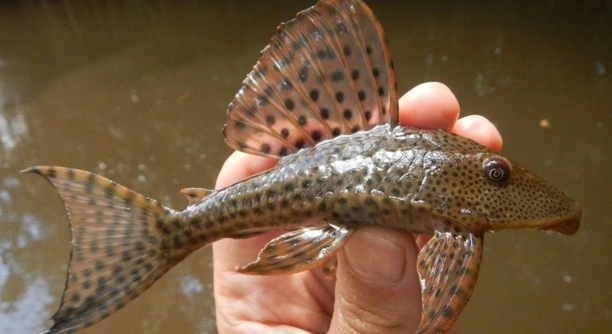
Sometimes, when observing your pleco, you may notice it swimming upside down for prolonged periods. This unusual behavior can be puzzling for aquarium owners, but there are specific reasons behind it. Understanding these causes is important for maintaining their health.
One of the primary reasons your pleco might be upside down is a condition known as “bladder disease.” This can cause buoyancy issues, making it difficult for the fish to maintain proper orientation. Other causes may include stress or poor water quality.
This article will explore the possible causes behind this behavior and offer advice on how to address these issues, ensuring your pleco’s well-being.
What Causes Buoyancy Issues in Plecos?
Buoyancy problems are one of the most common reasons why plecos appear upside down. These issues often stem from an internal condition known as swim bladder disorder. The swim bladder is a small organ that helps fish maintain balance in the water. If this organ becomes inflamed or damaged, the pleco may have difficulty staying upright. This disorder can happen for several reasons, including infections, physical trauma, or poor water conditions. Without proper buoyancy control, your pleco may float upside down or struggle to maintain normal swimming patterns.
In some cases, bloating caused by overfeeding or a poor diet can also affect the swim bladder, leading to similar symptoms. If the pleco’s body becomes overly swollen, it can disrupt the balance of the swim bladder and cause it to lose control of its orientation.
To treat swim bladder issues, it’s important to monitor the fish’s diet and ensure they aren’t being overfed. Additionally, regular water changes and maintaining optimal water conditions can help prevent future health problems that may impact buoyancy.
Stress and Environmental Factors
Stress is another significant factor that can cause your pleco to act abnormally, including staying upside down. Factors like overcrowding, sudden temperature changes, or poor water quality can place stress on your fish. When stressed, plecos may exhibit strange swimming behaviors, including spending more time near the surface or upside down.
A pleco’s natural behavior is highly dependent on a stable and clean environment. If there are changes in the aquarium, such as an introduction of new fish or a sudden change in water chemistry, it can lead to stress. Ensuring a peaceful, balanced aquarium environment with adequate hiding spots, proper filtration, and stable temperature can help reduce stress levels in your pleco. The more comfortable your pleco feels, the less likely it will display strange behaviors like swimming upside down.
By maintaining a stress-free environment, you’ll improve the health of your pleco and potentially eliminate issues with unusual swimming patterns.
Poor Water Quality and Its Impact
Water quality plays a major role in the overall health of your pleco. High levels of toxins like ammonia, nitrites, and nitrates can cause stress and disrupt normal behavior. If your pleco is constantly swimming upside down, poor water quality may be a significant factor. Inadequate filtration or irregular water changes can lead to dangerous buildups of harmful substances. These toxins can directly affect your pleco’s internal organs, including the swim bladder, which can result in buoyancy problems.
It’s essential to maintain proper water parameters such as pH, temperature, and hardness for the specific needs of your pleco. Regular testing of your water ensures you can catch issues early. Additionally, using a high-quality filter and performing frequent water changes will help prevent water quality-related problems. Clean water is crucial for the well-being of all your aquarium fish, including your pleco.
Maintaining good water quality isn’t just about avoiding illness. It’s also key to keeping your pleco active and healthy. Without a stable environment, stress levels can rise, leading to other physical or behavioral issues. When the water is clean and well-maintained, your pleco is less likely to show signs of discomfort or disorientation.
Overfeeding and Diet Issues
Overfeeding can easily cause problems for your pleco. When your pleco consumes more food than it can digest, it can lead to bloating, which puts pressure on the swim bladder. This pressure can cause your pleco to lose control over its buoyancy, making it appear upside down. Overfeeding is a common issue in many aquariums, but it’s something that can be controlled with proper feeding practices.
To prevent overfeeding, be mindful of the amount and type of food you give your pleco. Feeding small amounts more frequently is a good approach. Plecos are primarily herbivores, so it’s important to provide them with a balanced diet rich in algae and plant-based food. Offering them high-quality algae wafers, vegetables like zucchini, or blanched spinach is an ideal way to keep them nourished without causing digestive issues.
Always monitor your pleco’s behavior after feeding. If you notice signs of bloating or discomfort, it may be time to adjust the quantity or frequency of feeding. Being cautious with how much you feed will help ensure your pleco remains healthy and maintains its natural swimming patterns.
Infections and Illnesses
Infections can affect your pleco’s overall health, causing abnormal behavior like swimming upside down. Bacterial, fungal, or parasitic infections can lead to various symptoms, including swim bladder issues. If your pleco is infected, its immune system will weaken, making it more prone to problems with buoyancy and balance.
If you suspect an infection, it’s crucial to treat it as soon as possible. Look for other signs like discoloration, lesions, or abnormal swimming patterns. Quarantining the infected fish and using appropriate medication can help restore its health. Early treatment is essential to avoid further complications.
Age and Physical Weakness
As plecos age, they may experience physical decline that affects their buoyancy. The swim bladder can weaken with time, and older plecos may struggle to maintain their orientation in the water. This natural aging process can cause them to spend more time upside down.
Older plecos might also have a harder time processing food, leading to digestive issues that can affect their buoyancy. While you can’t reverse aging, you can provide your pleco with a well-balanced diet and maintain a clean tank to help improve its quality of life.
Tank Mates and Social Interaction
The behavior of tank mates can influence your pleco’s swimming patterns. If the pleco feels threatened or stressed by other fish in the aquarium, it may act abnormally, including swimming upside down. Aggressive tank mates or overcrowded conditions are common sources of stress for plecos.
Choosing peaceful and compatible tank mates is crucial for your pleco’s health. Avoid fish that are known to be aggressive, and ensure your pleco has enough space to move freely. Providing hiding spots and territory within the tank can help reduce stress and prevent unusual behavior.
FAQ
Why is my pleco always upside down?
There are several reasons why your pleco might be upside down. The most common causes are swim bladder disorder, poor water quality, and overfeeding. Swim bladder issues can cause your pleco to lose buoyancy, making it difficult to stay upright. Poor water quality, including high levels of ammonia or nitrates, can stress your pleco and affect its ability to maintain normal swimming patterns. Overfeeding can lead to bloating, which can also put pressure on the swim bladder, causing similar symptoms. Ensure you are providing proper care with clean water and a balanced diet to prevent these issues.
What should I do if my pleco stays upside down?
If your pleco is swimming upside down, start by checking your water quality. Make sure ammonia, nitrites, and nitrates are within safe levels. Perform a water change if necessary. Next, review your feeding habits. Overfeeding can cause bloating, which leads to buoyancy problems. If there’s no improvement, consider isolating the pleco to avoid further stress and consult a veterinarian or aquarium expert for possible treatments, especially if an infection is suspected.
Can swim bladder disease be treated in plecos?
Yes, swim bladder disease can be treated, but it depends on the cause. If it’s caused by overfeeding or poor water quality, adjusting the diet and improving the tank conditions can help. If an infection is the cause, antibiotics or other treatments may be necessary. In cases of injury or internal damage, recovery can be more challenging. Providing a stress-free environment, feeding a proper diet, and ensuring the tank has clean water are essential steps for recovery. If symptoms persist, seeking professional advice is recommended.
How can I prevent my pleco from flipping upside down?
To prevent your pleco from flipping upside down, focus on maintaining clean water, avoid overfeeding, and reduce stress by providing a suitable tank environment. Regularly check the water parameters and adjust them as needed. Feed your pleco small, balanced portions of food and avoid sudden changes in temperature or water conditions. A stable, stress-free environment can greatly reduce the chances of buoyancy issues.
What are the symptoms of swim bladder disease in plecos?
Swim bladder disease can show various symptoms, such as your pleco swimming upside down, having difficulty maintaining its balance, floating at the surface or sinking to the bottom, and bloating. In more severe cases, you might notice a loss of appetite, lethargy, or abnormal swimming patterns. It’s important to monitor your pleco closely for any of these signs so you can address the issue early.
Is it normal for my pleco to occasionally swim upside down?
Occasional upside-down swimming is not normal and should be addressed. While plecos might shift positions briefly while resting, if your pleco is constantly upside down or struggles to maintain balance, there could be an underlying issue. The causes could be swim bladder disease, poor water quality, or stress. Monitoring and addressing these factors will help ensure your pleco’s health.
Can stress cause my pleco to swim upside down?
Yes, stress can cause your pleco to swim upside down. Stressors such as aggressive tank mates, overcrowded conditions, sudden changes in water parameters, or insufficient hiding spots can all contribute to abnormal behavior. Stress can lead to various health issues, including buoyancy problems. Reducing stress by providing a calm, stable environment with compatible tank mates and proper water conditions can help prevent this behavior.
What kind of diet should I feed my pleco to avoid swim bladder problems?
To avoid swim bladder problems, feed your pleco a well-balanced diet that includes vegetables and algae-based food. Plecos are herbivores, so foods like zucchini, spinach, and algae wafers should be included in their diet. Avoid feeding them excessive amounts of protein-rich food or overfeeding them, as this can cause bloating, leading to swim bladder issues. Offering small portions and removing any uneaten food will help keep your pleco’s digestive system in check.
How often should I change the water in my pleco’s tank?
To maintain good water quality and prevent issues like swim bladder disease, it’s recommended to change 20-30% of the water every 1-2 weeks. If you have a heavily stocked tank or poor filtration, more frequent water changes may be necessary. Always monitor the ammonia, nitrites, and nitrates levels in the water to ensure they remain within safe limits. Clean water is essential to your pleco’s health and will help prevent buoyancy problems.
Can tank mates affect my pleco’s behavior?
Yes, tank mates can have a significant impact on your pleco’s behavior. Aggressive or territorial fish can stress your pleco, which might cause it to swim upside down or display other unusual behavior. Overcrowding can also lead to stress. Make sure to choose tank mates that are peaceful and compatible with your pleco. Providing enough space and hiding spots can help reduce stress and allow your pleco to feel secure in its environment.
Can my pleco recover from being upside down?
Yes, your pleco can recover from being upside down, depending on the cause. If the issue is related to overfeeding, poor water quality, or mild swim bladder problems, making adjustments to these factors can lead to improvement. However, if the problem is due to an infection or injury, the recovery process may take longer and could require medical treatment. Ensure that your pleco is isolated in a stress-free environment and monitor its condition closely to help with recovery.
Final Thoughts
Having a pleco that spends time upside down can be a worrying experience. There are various reasons for this behavior, ranging from swim bladder issues to poor water quality or even stress. Identifying the cause early is key to helping your pleco recover and prevent further complications. Monitoring water quality, adjusting feeding habits, and ensuring your pleco has a peaceful environment can significantly reduce the chances of buoyancy problems. If you notice other concerning symptoms, it’s important to seek professional advice to ensure your pleco gets the treatment it needs.
While it can be frustrating to see your pleco struggling, it’s important to remember that many of the causes for upside-down swimming are treatable. Simple adjustments like improving tank conditions and controlling diet can go a long way in restoring normal behavior. Pay attention to signs of bloating, lethargy, or loss of appetite, as these could indicate a more serious issue. Taking proactive steps such as regular water changes, testing water parameters, and providing a balanced diet can make a big difference in your pleco’s health. Creating a stable and stress-free environment for your pleco will help reduce the likelihood of this behavior.
In the end, patience and care are essential for keeping your pleco happy and healthy. If your pleco continues to swim upside down despite your efforts, consider consulting an aquarium professional or veterinarian for further advice. They can help determine the underlying cause and recommend the best course of action. By maintaining a well-kept tank, monitoring your pleco’s behavior closely, and addressing potential issues quickly, you can help your pleco recover and thrive in a healthy aquatic environment.

Hello,
If you enjoy the content that we create, please consider saying a "Thank You!" by leaving a tip.
Every little bit helps us continue crafting quality advice that supports the health, happiness, and well-being of pets around the world, for pets of all shapes, sizes, and species.
We really appreciate the kindness and support that you show us!