
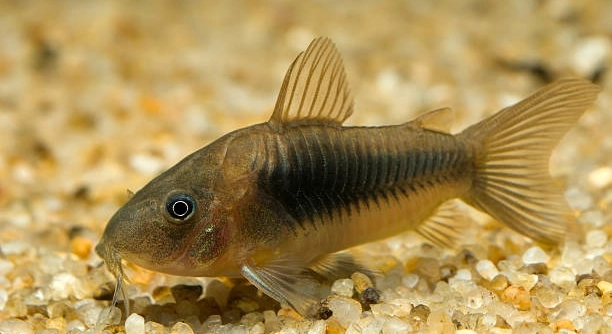
Corydoras catfish are small, peaceful fish that thrive in well-maintained tanks. As with any pet, it’s important to ensure they have enough space to swim comfortably. If their environment is too cramped, they may show signs of distress.
Corydoras catfish need ample swimming space to stay healthy. Restricted movement can lead to stress, affecting their well-being. Signs that your catfish may require more room include lethargy, aggression, or constant hiding, among others.
Recognizing these signs early can help you provide a better environment for your Corydoras.
Signs Your Corydoras Catfish is Feeling Cramped
Corydoras catfish are bottom dwellers that appreciate having plenty of space to swim and explore. If they don’t have enough room, they may start showing signs of stress. These can include changes in behavior, such as increased hiding, reduced activity, or even aggression. The key is to pay attention to their movements and habits. Fish that feel confined may swim erratically, bump into objects, or engage in more frequent hiding. Additionally, overcrowding can lead to poor water quality, which further affects their health.
It’s also important to consider the size of your tank. Corydoras catfish typically need at least a 20-gallon tank, but more space is often better for their well-being. If the tank is too small, your catfish will likely show signs of discomfort, such as swimming in tight patterns. This often indicates they are not able to move freely or explore their environment.
Making sure your tank size is suitable and providing hiding spots can help alleviate some of this stress. However, the primary solution is giving your catfish more space. By adjusting the tank environment, you help ensure their happiness and health.
Tank Size and Space Requirements
The size of your tank plays a significant role in your Corydoras’ overall well-being. If they are confined to a small space, they may feel stressed or become more prone to illness. Overcrowding is a common issue in many home aquariums, and it’s easy to underestimate how much room your fish really need.
Adding more space allows your catfish to move naturally and thrive. Ideally, a tank with at least 20 gallons of water should be the minimum for a small group of Corydoras. If you have more than one, additional space is even more necessary. Larger tanks help maintain better water quality and reduce the build-up of toxins, making it easier for your fish to stay healthy.
In addition to providing ample room, include smooth substrates, plants, and hiding places. These features give your catfish a sense of security while also encouraging natural behavior. A spacious tank with a balanced environment can help reduce stress and prevent any aggressive behavior in your catfish. It’s crucial to understand that space is not only about swimming room but also the overall layout of the tank.
Aggression and Territorial Behavior
When Corydoras catfish are feeling cramped, they may become more aggressive toward tank mates. This behavior typically arises from a lack of space. If your catfish are constantly chasing each other or other fish, it may be a sign that they feel threatened or overcrowded.
Aggressive behavior can be caused by competition for limited resources like food or hiding spots. In a cramped tank, Corydoras may also struggle to establish territories, leading to constant conflict. By providing more space, the catfish can more easily avoid each other, reducing the likelihood of territorial aggression.
If your catfish exhibit aggressive behavior, consider rearranging the tank’s decorations or adding more hiding spaces. A larger tank allows the fish to establish more defined territories, which can alleviate tension and improve their social dynamics. Giving them room to move freely will not only reduce aggression but also promote healthier interactions with other fish.
Lethargy and Reduced Activity
When Corydoras don’t have enough space, their activity level can drop significantly. They may spend more time at the bottom of the tank, moving slowly or barely swimming at all. This lack of movement is often a sign that they feel cramped and are unable to explore their environment.
In smaller tanks, the fish are unable to engage in their usual behaviors, such as foraging or swimming in schools. This decreased activity can lead to a drop in their overall health. If your catfish are lethargic, they might not be getting enough stimulation from their surroundings.
To combat this, ensure the tank is large enough for your fish to swim freely. A bigger tank gives them the space to move around, encouraging natural activity levels and improving their physical and mental health. Creating an environment where your Corydoras can swim more often is key to avoiding lethargy.
Hiding Behavior
Corydoras catfish that feel cramped may hide more often. If your fish are constantly seeking shelter or staying in one spot, it could be a sign of stress due to lack of space.
Providing hiding spots is important, but if hiding becomes excessive, it’s time to consider if the tank is too small. Fish that feel cramped will retreat to corners or other isolated areas, avoiding interaction. This can impact their health over time.
Increased Tank Pollution
A small tank can lead to rapid water pollution. If your Corydoras’ space is limited, waste accumulates faster, affecting water quality. This can make them uncomfortable and sick.
The lack of space increases the strain on the filter, making it harder to maintain clean water. As the tank gets overcrowded, toxins like ammonia and nitrates build up quickly. This leads to poor water quality, which can stress the fish and hinder their ability to swim. Maintaining a large enough tank ensures water quality remains stable and your fish stay healthy.
Changes in Feeding Habits
Corydoras might struggle to find enough food in a cramped tank, leading to reduced feeding or competition with other fish. This behavior could signal that your fish are not getting the nourishment they need.
Fish with limited space often experience heightened competition for food, especially in a crowded environment. The stress can lead to weight loss or poor growth. A larger tank with more room to forage reduces the competition, ensuring that all your fish can eat properly. Providing enough space not only improves their physical health but also keeps them happier and more active.
FAQ
How much space do Corydoras catfish need to thrive?
Corydoras catfish require at least a 20-gallon tank to feel comfortable. This provides enough space for them to swim and explore, which is crucial for their well-being. If you keep multiple Corydoras together, consider increasing the tank size. A larger tank helps maintain better water quality, reducing stress and preventing aggressive behavior.
Can Corydoras live with other fish in a small tank?
Corydoras are peaceful fish, but overcrowding in a small tank can lead to stress and territorial disputes, even with non-aggressive fish. A small tank limits their ability to move freely and can cause tension between fish. It’s best to house Corydoras in a tank where they have plenty of space to coexist peacefully with other species.
What are the signs that my Corydoras need more room?
Some signs that your Corydoras catfish need more room include lethargy, constant hiding, aggression toward tank mates, and swimming in tight, repetitive patterns. You may also notice poor water quality due to overcrowding, which contributes to stress. Providing more space helps alleviate these issues.
Is a 10-gallon tank enough for Corydoras?
A 10-gallon tank is generally too small for Corydoras catfish. While they may survive in such a space, it does not offer the swimming room they need for optimal health. If you’re keeping more than one Corydoras, a larger tank is essential to ensure they have enough space and the water stays clean.
Can Corydoras survive without a filter in a small tank?
While Corydoras can survive in a tank without a filter, the lack of filtration in a small tank leads to rapid water pollution. Without a filter, harmful toxins like ammonia and nitrites build up quickly, which can stress the fish and cause illness. It’s best to maintain a proper filtration system, especially in small tanks.
Do Corydoras need plants and hiding spots?
Yes, Corydoras appreciate plants and hiding spots, which provide them with comfort and a sense of security. They are bottom-dwelling fish that enjoy exploring, scavenging, and finding shelter. Providing hiding places allows them to retreat when feeling stressed, but it’s important to ensure that these hiding spots do not take up too much swimming space.
How often should I clean the tank for my Corydoras?
Regular tank maintenance is key to a healthy environment for Corydoras. Clean the tank at least once every two weeks, depending on the tank size and number of fish. Perform partial water changes, remove debris, and check the filter to ensure it’s working efficiently. Clean the substrate carefully, as Corydoras love to dig.
How can I improve the water quality for my Corydoras?
Maintaining good water quality is crucial for the health of your Corydoras. Perform regular water changes to keep the levels of toxins in check. Ensure the water temperature is consistent, and use a reliable filtration system to remove waste. Test the water regularly for ammonia, nitrites, and nitrates to make sure the tank stays safe for your fish.
Can Corydoras tolerate changes in water temperature?
Corydoras are sensitive to temperature changes, and sudden fluctuations can cause stress. They thrive in water temperatures between 72°F and 78°F (22°C to 26°C). Keeping the temperature stable helps prevent illness and reduces stress. Avoid placing the tank in areas with extreme temperature changes, like near windows or air conditioners.
Do Corydoras prefer to be in groups?
Yes, Corydoras catfish are social fish and prefer to be kept in groups of at least three or more. In a group, they feel safer and more comfortable. Being in a group reduces stress and helps prevent loneliness, which can affect their overall health. However, ensure the tank size is sufficient to accommodate a group.
What should I feed my Corydoras catfish?
Corydoras are bottom-feeders, meaning they scavenge for food that sinks to the bottom. Feed them sinking pellets, wafers, or specialized food designed for bottom-dwelling fish. Supplement their diet with occasional live or frozen foods like brine shrimp, bloodworms, or daphnia. Avoid overfeeding, as leftover food can pollute the tank and affect water quality.
Why are my Corydoras swimming at the surface?
Corydoras typically stay near the bottom, but if they’re swimming at the surface, it could indicate a problem. This behavior can be caused by poor water quality, low oxygen levels, or stress from overcrowding. Check the water parameters, increase aeration, and make sure the tank is large enough to accommodate the fish.
Can Corydoras breed in a tank?
Yes, Corydoras catfish can breed in a home aquarium. They need a well-maintained tank with stable water parameters to spawn successfully. Providing a breeding environment, such as plants or flat surfaces for egg laying, can encourage breeding. After spawning, remove the adults to prevent them from eating the eggs.
What is the ideal pH level for Corydoras?
Corydoras catfish prefer a neutral to slightly acidic pH, typically between 6.5 and 7.5. Keeping the pH stable is important to avoid stressing the fish. Sudden changes in pH can lead to health problems, so it’s essential to monitor water parameters regularly and adjust if needed.
Can I mix Corydoras with other bottom-dwelling fish?
Corydoras can live with other bottom-dwelling species as long as they aren’t territorial or aggressive. Fish like loaches, small plecos, and peaceful catfish species are good tank mates. However, ensure the tank is large enough to avoid overcrowding, and provide enough hiding spots for all the fish.
Final Thoughts
Providing enough space for your Corydoras catfish is essential to their health and well-being. Overcrowding can cause stress, leading to behavioral changes, such as hiding more often or displaying less activity. If your fish don’t have enough room, they may also struggle with water quality issues due to waste accumulation. This not only affects their physical health but can also shorten their lifespan. Ensuring that your tank is large enough for your Corydoras to swim freely will contribute to a happier, healthier environment for them.
The size of the tank is important, but so are other factors, such as water quality, the number of fish, and the availability of hiding spots. Corydoras are peaceful fish, and they prefer to live in groups. A larger tank allows them to interact with one another and reduce stress. If you’re considering adding more Corydoras to your tank, make sure you have adequate space to prevent overcrowding. Also, provide plants or decorations that allow them to explore and feel secure. A tank with enough space encourages natural behavior, which benefits their overall well-being.
Lastly, remember that the quality of the water is just as important as the amount of space. Regular water changes and a reliable filtration system are necessary for maintaining a stable environment. Poor water quality can lead to illness and discomfort for your Corydoras. By providing a spacious tank with good water conditions, you’ll ensure that your fish live a long and healthy life. Take time to observe your fish and make adjustments if needed to keep them in the best possible conditions.

Hello,
If you enjoy the content that we create, please consider saying a "Thank You!" by leaving a tip.
Every little bit helps us continue crafting quality advice that supports the health, happiness, and well-being of pets around the world, for pets of all shapes, sizes, and species.
We really appreciate the kindness and support that you show us!