
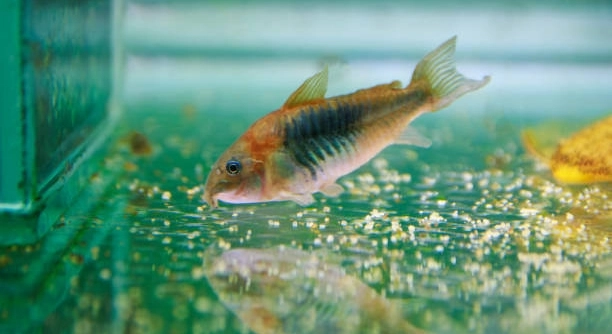
Are your Corydoras catfish spending more time hiding or showing signs of stress despite having a clean and quiet tank setup?
Improving the aquarium environment for Corydoras catfish involves optimizing water conditions, adding soft substrates, offering hiding spots, maintaining proper tank mates, ensuring oxygenation, and feeding a balanced diet to support their natural behavior and health.
These simple adjustments can make a noticeable difference in how active, healthy, and social your Corydoras appear in their aquatic space.
Use Soft, Sandy Substrate
Corydoras have delicate barbels they use to search for food along the tank bottom. Sharp or rough gravel can damage these sensitive areas, leading to infections and stress. Switching to a soft, sandy substrate helps protect their barbels and supports natural foraging behavior. Sand mimics the riverbeds they naturally inhabit and allows them to sift through it comfortably. Choose fine-grain sand that doesn’t compact too tightly, allowing waste to stay on top where it can be easily removed. Rinse the sand thoroughly before adding it to avoid clouding the water and disturbing water quality.
Fine sand also promotes cleaner tank conditions by preventing debris from becoming trapped, which makes maintenance easier.
Corydoras tend to dig and explore, so using sand makes the aquarium feel more natural and comfortable for them. It not only keeps them physically safe but also encourages more active and confident movement throughout the tank.
Maintain Stable Water Parameters
Stable water conditions reduce stress and help prevent illness in Corydoras. Keep the temperature between 72°F and 78°F, pH near neutral, and ammonia, nitrite, and nitrate levels consistently low.
Corydoras are sensitive to sudden changes in their environment. Frequent fluctuations in water parameters can make them more prone to illness and impact their behavior. Perform regular water tests to monitor the tank’s condition and address any issues early. Weekly partial water changes, typically 25–30%, help maintain stability without overwhelming their system. Avoid using untreated tap water, as chlorine and chloramine can harm them. Instead, use a dechlorinator before adding new water to the tank. Clean the filter media gently in old tank water to preserve beneficial bacteria, and avoid overfeeding, which can lead to waste buildup. By keeping the water parameters steady, you support their immune system, improve their activity levels, and encourage longer, healthier lives.
Provide Plenty of Hiding Spots
Corydoras feel safer and more relaxed when they have access to hiding spaces. Use decorations like caves, driftwood, and live or artificial plants to create shaded areas throughout the tank. This helps reduce stress and encourages more natural behavior.
Hiding spots give Corydoras a sense of security, especially when they feel threatened or need to rest. Spread them out across the tank to avoid overcrowding in one area. Use smooth, aquarium-safe materials that won’t damage their bodies or barbels. Live plants like Anubias or Java fern can also provide cover while improving water quality. Avoid overly bright lighting, which can make them feel exposed. Position hiding spots in a way that still allows for swimming space so they can explore comfortably. Creating a more structured layout with hiding areas helps them become more active and confident in their environment.
When Corydoras feel secure, they display healthier social behaviors and explore the tank more freely. Hiding spaces help reduce conflict, especially in tanks with mixed species. If they don’t feel safe, they’re more likely to remain motionless or retreat to one corner of the aquarium. A balanced tank setup improves their mental and physical well-being. Make sure the hiding areas are accessible and not too cramped for their size.
Ensure Good Oxygenation
Corydoras prefer well-oxygenated water. Insufficient oxygen can make them swim to the surface frequently, indicating discomfort. Adding an air stone or sponge filter can help keep the oxygen levels consistent throughout the tank.
Good oxygenation is essential for Corydoras, especially since they’re active and spend time exploring the bottom. While they can gulp air from the surface, this behavior often signals a lack of dissolved oxygen in the water. Use surface agitation to promote gas exchange, either through an air stone, powerhead, or properly positioned filter outlet. Avoid overstocking the tank, as more fish consume more oxygen and produce more waste. Keeping the water clean also supports better oxygen levels. Plants can help, but they shouldn’t be relied on as the only source. Monitor behavior regularly—if Corydoras start surfacing often, it’s a sign the tank may need better airflow or more efficient filtration.
Choose Peaceful Tank Mates
Corydoras do best with calm, non-aggressive fish. Avoid pairing them with species known for chasing or fin-nipping. Good options include tetras, rasboras, and other small community fish that share similar temperature and water preferences.
Keeping them with peaceful tank mates helps lower stress levels. Aggressive fish can limit their movement and reduce feeding opportunities.
Feed a Balanced Diet
Corydoras are bottom feeders, but they still need variety in their diet. Offer sinking pellets as their main food, supplemented with frozen or live foods like bloodworms and brine shrimp. Include algae wafers or blanched vegetables occasionally for added nutrition. Feeding small amounts twice a day helps ensure they’re getting enough without overfeeding the tank. Remove uneaten food within a few hours to prevent water quality issues. Rotate food types throughout the week to support better digestion and growth. A varied diet encourages more active behavior and helps maintain their natural coloration. Healthy Corydoras are more social and responsive in the aquarium.
Keep Them in Groups
Corydoras are schooling fish and prefer to be in groups of at least six. When kept alone or in small numbers, they become shy and inactive. Group living encourages natural behaviors and increases their overall comfort in the tank.
FAQ
How many Corydoras should be kept together?
Corydoras are social and thrive in groups. The minimum recommended number is six of the same species. Keeping them in smaller groups can lead to stress and reduced activity. In larger groups, they become more confident and show natural schooling behaviors. Always consider the size of your tank when choosing group numbers.
What is the ideal tank size for Corydoras catfish?
A 20-gallon tank is a good starting point for a small group. Larger species or bigger groups will need more space. Corydoras enjoy room to swim and explore the bottom of the tank. Overcrowding can lead to poor water quality and increased stress. Prioritize floor space over height.
Can Corydoras be kept with shrimp?
Yes, most Corydoras species are peaceful enough to live with shrimp. However, they may eat very small or baby shrimp if food is limited. Providing enough hiding places for shrimp and feeding both species well reduces this risk. They can coexist in a clean, well-planted tank.
Do Corydoras need a heater in the tank?
Corydoras are tropical fish, so a heater is usually needed. Keep the temperature between 72°F and 78°F. Sudden temperature changes can lead to stress or illness. Use a reliable aquarium heater with a thermometer to monitor temperature consistently. Stable warmth helps maintain their overall health.
What should I feed my Corydoras?
Feed them a balanced mix of sinking pellets, frozen or live foods like bloodworms, and occasional vegetables. Variety keeps them healthy and active. They mainly stay at the bottom, so avoid floating foods that never reach them. Feed small portions once or twice a day.
How often should I clean the tank?
Weekly partial water changes of 25–30% are ideal. Remove uneaten food and vacuum the substrate lightly. Avoid cleaning everything at once to preserve beneficial bacteria. Monitor water parameters weekly. A clean environment helps Corydoras stay active, prevents disease, and keeps their barbels healthy.
Why do Corydoras swim to the surface sometimes?
They occasionally gulp air using a specialized intestinal structure. However, frequent trips to the surface may mean low oxygen levels in the water. Improve aeration using an air stone or increase surface movement. Proper filtration and regular water changes also help improve oxygen levels.
Can Corydoras live with bettas?
In many cases, yes. Bettas and Corydoras often coexist peacefully, as they occupy different levels of the tank. However, individual betta temperament varies. Monitor them closely at first. Provide hiding places for both fish and avoid placing them together in small tanks.
Do Corydoras need light in the aquarium?
They don’t need special lighting but benefit from a natural day-night cycle. Use gentle lighting and include shaded areas or floating plants to reduce stress. Avoid overly bright setups. Balanced lighting helps maintain plant growth and allows for a more natural environment.
Are Corydoras good for beginners?
Yes, they’re hardy, peaceful, and low-maintenance when kept in the right conditions. They do best in stable tanks with consistent water parameters. Their friendly nature, small size, and low aggression make them suitable for beginners and community tanks with other peaceful species.
Final Thoughts
Corydoras catfish are peaceful, active fish that do well in clean, stable aquariums. They are best kept in groups, as this supports their natural behavior and reduces stress. Choosing the right tank mates, feeding them a balanced diet, and keeping the water parameters steady are all simple steps that can make a big difference in their overall health and happiness. When these basic needs are met, Corydoras become more social and display playful behavior, especially when exploring the bottom of the tank together.
Small changes in the tank can lead to big improvements in their well-being. Providing soft substrate helps protect their sensitive barbels. Adding hiding spots like plants and driftwood gives them a sense of safety. Maintaining good filtration, regular water changes, and monitoring water quality keeps their environment safe and clean. These fish are not demanding, but they do rely on consistent care to stay healthy. Over time, you’ll notice they become more active and comfortable when their surroundings are right.
They can live for several years with proper care, making them a long-term part of your aquarium. Their gentle nature and low-maintenance requirements make them suitable for both new and experienced fishkeepers. Watching them interact in a group, forage for food, and rest together is rewarding. By meeting their basic needs and keeping their environment peaceful, you’ll create a tank where Corydoras can thrive. Consistency, patience, and a little attention to detail go a long way in supporting their health and behavior.

Hello,
If you enjoy the content that we create, please consider saying a "Thank You!" by leaving a tip.
Every little bit helps us continue crafting quality advice that supports the health, happiness, and well-being of pets around the world, for pets of all shapes, sizes, and species.
We really appreciate the kindness and support that you show us!