
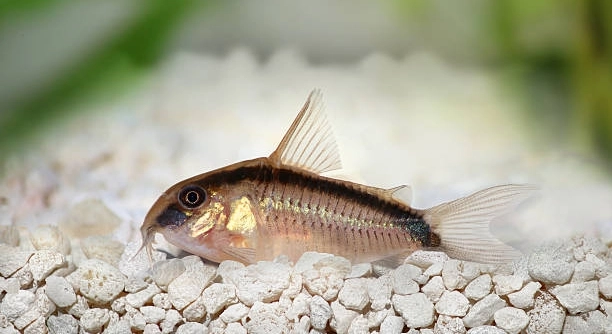
Is your Corydoras catfish spending most of its time resting at the bottom of the tank or hiding under plants and decor? These peaceful bottom dwellers need regular movement to stay healthy and avoid long-term health issues.
Corydoras catfish that are getting enough exercise will display active foraging, consistent swimming patterns, and healthy body condition. Lack of exercise can result in sluggishness, bloating, fin deterioration, and other symptoms related to stress, poor digestion, and reduced immunity.
Understanding these symptoms will help you support your catfish’s activity levels and ensure they remain healthy, social, and comfortable in their aquatic environment.
Signs Your Corydoras Catfish Is Getting Enough Exercise
Healthy Corydoras are often on the move during the day, especially in groups. They explore the bottom of the tank, sift through the substrate, and dart around during feeding times. You may notice them playing together, swimming in short bursts, or wiggling their bodies as they move. This type of activity shows they are alert, comfortable in their environment, and physically well. A well-balanced tank with proper water quality and enough space can greatly encourage this behavior. Observing consistent movement and natural foraging habits is a strong sign that your Corydoras is staying active and healthy.
Corydoras that are regularly active tend to show strong colors, clear eyes, and upright fins. These are signs of comfort and good physical condition.
If your Corydoras is displaying these behaviors and physical signs consistently, there’s a good chance it’s getting the movement it needs. Keep watching them closely to understand their natural rhythm.
Symptoms of a Corydoras Lacking Exercise
A Corydoras lacking exercise may spend too much time resting, hiding, or staying in one spot. They may avoid group activity or appear uninterested during feeding times, which is unusual for these social fish.
The most noticeable signs of inactivity include sluggishness, irregular breathing, and refusal to interact with others. These symptoms often appear when the tank is overcrowded, poorly maintained, or lacks enough stimulation for movement. Fin clamping, pale coloration, and bloating are also common indicators of stress and poor health related to inactivity. These changes may not always appear suddenly. Sometimes, they develop slowly, which is why it’s important to monitor your fish daily. Uneven swimming or floating near the surface without purpose can also show signs of weakness. Inactivity may be linked to poor tank layout, lack of hiding spaces, or limited access to clean, oxygenated water. Make sure your tank supports natural activity patterns to keep them engaged.
What Causes Corydoras to Become Inactive
Corydoras often become inactive due to stress, poor tank conditions, or lack of stimulation. Low oxygen levels, dirty substrate, or inconsistent water parameters can quickly affect their behavior. Inactivity is a signal that something in their environment needs attention.
When oxygen levels drop, Corydoras may stop swimming and hover near the surface or rest excessively. Poor water quality, especially high ammonia or nitrite levels, can make them sluggish and reduce their appetite. A tank with sharp or rough substrate may hurt their barbels, discouraging natural foraging behavior. Additionally, if they are kept alone or in too small a group, they may become withdrawn. These fish thrive in social groups and need companions to stay active. Overcrowded tanks or lack of hiding places can also cause stress. Always check your water parameters regularly and ensure that the tank setup supports their natural activity patterns.
Water temperature outside their comfort range can also slow them down. Corydoras prefer stable temperatures between 72°F and 78°F. Temperatures that are too low will reduce their metabolism, leading to decreased activity. If your tank is too quiet or lacks variety in décor, they might not feel motivated to explore. Subtle changes like dim lighting, smooth substrate, and plant cover can help them feel safer and more engaged. Stress from aggressive tank mates also plays a role. These fish need peaceful companions to feel secure. Keeping a group of at least five to six Corydoras encourages natural shoaling and exploration behaviors, keeping them active throughout the day. Balance in the tank setup makes a noticeable difference.
How to Encourage More Movement in Your Corydoras
Encouraging movement starts with improving tank layout and water conditions. Give your Corydoras enough space to swim freely, and include soft, sandy substrate for foraging. Regularly clean the tank and keep water parameters stable to avoid stress.
Add plants, driftwood, and smooth rocks to create an inviting space for exploration. Corydoras enjoy weaving through décor, which encourages natural movement. Keep the tank well-oxygenated using a sponge filter or gentle air stone. Ensure lighting is soft, as harsh lights may cause them to hide. Feed them with small portions of sinking food spread across different areas to promote active foraging. Provide occasional live or frozen foods like bloodworms or daphnia to spark interest. Most importantly, keep them in a group of their own kind—Corydoras are social and stay more active when they have others to interact with. These small changes can lead to visible improvements in their daily behavior.
How Tank Mates Affect Corydoras Activity
Corydoras feel safer and more active when kept with peaceful fish. Aggressive or overly active tank mates can cause them to hide or remain still, limiting their movement and social behavior throughout the day.
Ideal tank mates include tetras, rasboras, and other gentle community fish. Avoid keeping them with cichlids or fin-nippers.
Best Times to Observe Corydoras Activity
Corydoras are most active during the early morning and evening hours. During these times, they often forage, interact with each other, and explore their surroundings. Keep feeding consistent and use dim lighting to match their natural rhythm and encourage movement during these active windows.
FAQ
Why is my Corydoras catfish not swimming?
Corydoras may stop swimming due to several reasons, including poor water quality, stress, or illness. If the tank has high levels of ammonia or nitrite, it can cause them to become lethargic. It’s important to check your water parameters regularly and perform water changes if needed. Temperature fluctuations, overcrowding, or a lack of hiding places may also stress your Corydoras and lead to reduced movement. Ensure your tank has smooth substrate, proper filtration, and no aggressive tank mates.
How do I know if my Corydoras is stressed?
Stressed Corydoras may display certain behaviors such as hiding, clamping fins, or staying at the bottom of the tank. They may also appear pale or sluggish, and their breathing might become rapid. Stress can be caused by poor water quality, tank overcrowding, aggressive fish, or temperature instability. Observing their behavior closely can help you identify stress early and take action to correct the issue.
How can I encourage my Corydoras to be more active?
To encourage activity, ensure the tank has a proper environment with enough space, clean water, and a smooth, sandy substrate for foraging. Corydoras enjoy exploring plants, driftwood, and decorations, so adding these elements to the tank will provide stimulation. Offer sinking food in different areas of the tank to encourage movement. Keep them in groups of at least five, as they are social creatures and are more likely to be active in groups.
What is the ideal tank size for Corydoras?
Corydoras require at least a 20-gallon tank for a small group, although larger groups or tanks with more decorations may require more space. The tank should allow them to swim freely, and it should have a soft substrate like sand to prevent injury to their sensitive barbels. Larger tanks with proper filtration also help maintain water quality, keeping them active and healthy.
Can Corydoras live alone?
While Corydoras can technically survive alone, they thrive in groups. Being social creatures, they feel safer and more secure in a group, which encourages natural behaviors like foraging and swimming. Keeping them in groups of at least five helps reduce stress and ensures they are active and engaged. A solitary Corydoras may become lethargic and stressed without the company of others.
What is the best water temperature for Corydoras?
Corydoras prefer water temperatures between 72°F and 78°F (22°C to 26°C). Water that is too cold can cause them to become sluggish, while water that is too warm can lead to stress and decreased activity. It’s important to maintain a stable temperature and avoid rapid fluctuations to keep your Corydoras healthy and active. A reliable aquarium heater and thermometer can help regulate the temperature.
How do I know if my Corydoras is healthy?
Healthy Corydoras are active, have bright colors, and swim with a smooth, graceful motion. Their fins should be spread out, not clamped, and their bodies should be free from lesions or unusual markings. Healthy Corydoras also have clear eyes and an appetite for food. If they are hiding frequently, appear pale, or exhibit abnormal behaviors like erratic swimming, it may indicate a health issue.
Can Corydoras be kept with other species of fish?
Yes, Corydoras can be kept with peaceful species such as tetras, rasboras, and other small community fish. However, they should not be kept with aggressive species like cichlids or fin-nippers, as these can cause stress and limit the Corydoras’ activity. It’s important to choose tank mates that are compatible in terms of temperament and size to ensure the health and well-being of your Corydoras.
Why is my Corydoras catfish swimming at the top of the tank?
If your Corydoras is swimming at the top of the tank, it could be a sign of oxygen deprivation. Corydoras are bottom-dwelling fish and prefer to stay near the substrate, but they may surface for air if the oxygen levels in the tank are low. This could happen if the tank is overstocked, the filtration system is insufficient, or the water temperature is too high. Ensure good water movement and aeration to prevent this behavior.
Do Corydoras need a filter?
Yes, Corydoras benefit from having a filter in their tank. A filter helps maintain water quality by removing waste, debris, and harmful chemicals like ammonia and nitrites. Corydoras are sensitive to poor water quality, so a good filtration system is essential for their health. Be sure to choose a filter with gentle water flow, as Corydoras prefer calmer conditions.
How often should I feed my Corydoras catfish?
Corydoras should be fed once or twice a day, offering only as much food as they can eat in a few minutes. Overfeeding can lead to water quality issues, so it’s important to remove any uneaten food. Corydoras enjoy sinking pellets, frozen foods, and occasional live food like bloodworms. Variety in their diet will keep them healthy and active.
Can Corydoras eat live food?
Yes, Corydoras can eat live food, and they often enjoy it as part of a varied diet. Live foods like bloodworms, daphnia, and brine shrimp provide added nutrition and stimulate natural hunting behaviors. However, live food should be offered in moderation to avoid overfeeding. Always ensure that live food is safe and parasite-free before feeding.
Why is my Corydoras catfish bloated?
Bloating in Corydoras can be caused by several factors, including overfeeding, constipation, or an underlying health issue like an intestinal infection. If bloating occurs, reduce the amount of food and monitor their behavior. If the bloating persists, it’s important to check water quality and consider consulting a vet or aquatic specialist for advice on treatment.
Final Thoughts
Corydoras catfish are lively, peaceful creatures that thrive in well-maintained tanks. Their behavior is greatly influenced by their environment, so it’s essential to pay attention to factors like water quality, tank size, and the presence of compatible tank mates. When these conditions are met, Corydoras will display their natural curiosity and active behavior, which is a joy to watch. Providing them with a comfortable, stress-free environment encourages healthy movement and foraging, which are vital for their overall well-being.
Ensuring that your Corydoras are getting enough exercise is crucial for their health. Lack of movement can lead to obesity and other health issues, so it is important to observe their activity regularly. If you notice any signs of lethargy, such as hiding or not interacting with their surroundings, it may be time to reassess their tank conditions. Ensuring the tank has proper filtration, a suitable temperature range, and sufficient space for them to swim will help keep them active. Additionally, feeding them a balanced diet and offering plenty of stimulation through plants, decorations, and tank mates will encourage natural behaviors.
In conclusion, taking the time to understand the needs of your Corydoras catfish will help ensure they remain active and healthy. Keeping them in a suitable environment, offering proper care, and monitoring their activity levels will lead to a happier, more active fish. By keeping track of any changes in their behavior, you can catch potential problems early and provide them with the best care possible. With the right setup and attention, Corydoras can thrive and bring enjoyment to any aquarium.

Hello,
If you enjoy the content that we create, please consider saying a "Thank You!" by leaving a tip.
Every little bit helps us continue crafting quality advice that supports the health, happiness, and well-being of pets around the world, for pets of all shapes, sizes, and species.
We really appreciate the kindness and support that you show us!