
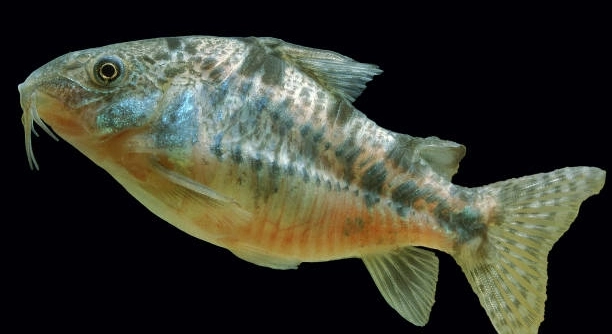
Corydoras catfish are active swimmers, but sometimes they move in short bursts. This behavior can be puzzling to fish owners. Understanding the reasons behind these quick movements can help improve the care of your fish.
There are several potential explanations for the short bursts of movement in Corydoras catfish, ranging from their natural instincts to environmental factors such as water quality and tank mates. Addressing these causes can ensure your catfish remains healthy and comfortable.
By learning more about these explanations, you can better understand and improve your fish’s behavior. This will lead to a healthier environment for your Corydoras catfish.
Natural Behavior of Corydoras Catfish
Corydoras catfish are known for their unique swimming style, often darting around in short bursts. This quick movement is part of their natural instinct. In the wild, they use bursts of speed to avoid predators or search for food. In your tank, these bursts may be an expression of excitement or curiosity. It’s important to remember that this behavior is typical and generally harmless.
However, if your catfish is constantly moving in bursts without settling, it could be a sign that something is off. Stress, poor water quality, or other factors might trigger this behavior. It’s always a good idea to observe your fish and rule out any potential issues, ensuring they have a stress-free environment.
When a Corydoras catfish is healthy and happy, you’ll notice a more relaxed swimming pattern. Keep an eye out for any changes, and address them promptly to maintain your catfish’s well-being. A healthy environment will help them feel more at ease and reduce erratic movements.
Stress and Anxiety
Stress is another common reason why Corydoras catfish move in short bursts. If they feel threatened, either by aggressive tank mates or changes in the environment, they may respond by swimming frantically. This behavior is a way for the catfish to escape perceived danger.
One of the main stressors for Corydoras catfish is poor water quality. Ammonia, nitrites, or high nitrate levels can harm your fish and trigger erratic behavior. If you notice that your fish is continuously swimming in bursts, it’s important to test your water and make adjustments as needed. Regular water changes and proper filtration can help maintain a stable environment.
Additionally, overcrowded tanks or the presence of aggressive fish can lead to anxiety. If your catfish feels crowded or threatened, it might try to escape by swimming quickly. Ensuring that your tank is appropriately stocked and that the tank mates are peaceful can significantly reduce stress.
Poor Water Quality
Poor water quality is one of the most common reasons behind erratic movements in Corydoras catfish. If the water contains high levels of toxins like ammonia or nitrites, your catfish may feel stressed, leading to short bursts of movement. Regularly checking the water parameters is essential.
Maintaining the right water conditions is vital for Corydoras catfish. They thrive in clean, well-filtered water, so make sure your tank has a reliable filtration system. It’s also important to perform regular water changes to remove any harmful substances. Water tests should be conducted often to ensure ammonia and nitrite levels are zero. Nitrate levels should be kept under control to prevent buildup.
In addition to regular water changes, monitor the tank’s temperature and pH. Corydoras catfish prefer a stable environment, so fluctuations can cause stress. Keeping these factors in check helps create a safe environment, which can calm your fish and reduce short, frantic swimming.
Tank Size and Space
Tank size and available space play a crucial role in the behavior of Corydoras catfish. If the tank is too small or overcrowded, it can cause stress. Inadequate space forces your catfish to move in bursts, attempting to find a comfortable spot.
Corydoras catfish need enough room to swim freely. A cramped environment can lead to anxiety, making the fish feel trapped and out of control. Ideally, your tank should be large enough to accommodate the number of fish living in it. For a small group, a 20-gallon tank is a good starting point. If you notice excessive swimming in short bursts, it could be an indicator that your tank is too small or overcrowded.
When tank size is suitable, your catfish will have more room to roam. This helps them feel more secure and less likely to display stressed behaviors. Make sure to also give them hiding spots and plants to explore.
Poor Tank Mates
Aggressive or overly active tank mates can stress out your Corydoras catfish, causing them to swim in short bursts. If they feel threatened or crowded, they may respond by moving quickly to avoid confrontation. Consider the temperament of other fish in your tank.
Corydoras catfish do best in peaceful communities. They are calm and enjoy being around other non-aggressive species. If you have aggressive fish, such as cichlids or fast-moving species, your catfish may try to escape their advances by darting around. Keeping peaceful tank mates helps your catfish feel safe and reduces erratic swimming.
Adding peaceful, slow-moving fish to the tank can promote a more relaxed environment for your Corydoras catfish. Fish like tetras or peaceful gouramis make good companions. Always observe interactions between tank mates to ensure the safety and well-being of all your fish.
Water Temperature
Water temperature significantly impacts the behavior of Corydoras catfish. If the water is too warm or too cold, it can cause stress, leading to rapid swimming in short bursts. Maintaining a steady temperature is crucial for your fish’s well-being.
Corydoras catfish thrive in a temperature range of 72-78°F (22-26°C). If the water is outside this range, it can cause discomfort and erratic behavior. Too high of a temperature can cause them to become more active, while colder temperatures may slow them down. A reliable aquarium heater helps maintain consistent water temperatures. Always monitor the temperature regularly to prevent fluctuations that may stress your fish.
Feeding Habits
Corydoras catfish may swim in short bursts if they are hungry or if food is not readily available. These fish are bottom dwellers and enjoy foraging for food, so if there is insufficient food in the tank, they may dart around to search for it.
When feeding Corydoras catfish, ensure that there are enough sinking pellets or food that reaches the bottom of the tank. Overfeeding can also lead to poor water quality, which in turn causes stress. Feed them small amounts multiple times a day to ensure they get enough food without overloading the tank.
FAQ
Why does my Corydoras catfish swim so fast in short bursts?
Corydoras catfish are naturally active and often use quick bursts of swimming to express excitement, search for food, or avoid predators in the wild. If your fish is swimming in short bursts, it could be simply engaging in natural behavior. However, if the bursts seem excessive or constant, environmental factors like stress, poor water quality, or aggressive tank mates could be influencing their behavior. Monitoring the tank environment and ensuring peaceful conditions can help reduce this behavior.
How can I tell if my Corydoras catfish is stressed?
Signs of stress in Corydoras catfish include constant darting, erratic swimming, loss of appetite, hiding, and unusual behavior such as staying at the surface or near the tank’s filter output. Stress can stem from factors like poor water quality, overcrowding, or incompatible tank mates. Keeping the water clean, ensuring the tank is large enough, and reducing tank stressors will help keep your fish calm and healthy.
Can Corydoras catfish be kept with other fish?
Yes, Corydoras catfish are peaceful bottom dwellers and can generally be kept with other non-aggressive fish. They thrive in community tanks with species that aren’t territorial or overly active. Tetras, peaceful gouramis, and other calm species make good tank mates. Avoid keeping them with aggressive or fast-moving fish like cichlids, as this could stress your Corydoras catfish and lead to excessive swimming.
What is the best water temperature for Corydoras catfish?
Corydoras catfish prefer water temperatures between 72-78°F (22-26°C). It’s important to maintain a stable water temperature as sudden fluctuations can cause stress and lead to abnormal behavior like short bursts of movement. Using an aquarium heater and thermometer will help ensure the temperature stays within this range, promoting a healthy and comfortable environment for your fish.
How often should I change the water in my Corydoras catfish tank?
Regular water changes are essential to maintaining a healthy environment for your Corydoras catfish. A general rule is to perform a 25-30% water change every week. This helps remove toxins like ammonia and nitrites, which can build up and stress your fish. Testing water parameters regularly will also help ensure that the water remains safe for your catfish.
What type of food is best for Corydoras catfish?
Corydoras catfish are omnivores and prefer sinking pellets, tablets, or other food that reaches the bottom of the tank. They enjoy a varied diet, including algae wafers, bloodworms, brine shrimp, and small amounts of vegetables like zucchini or spinach. Feeding them sinking food ensures they can forage naturally. Be sure to avoid overfeeding, as leftover food can pollute the water.
How can I improve the water quality for my Corydoras catfish?
To improve water quality, ensure your tank has proper filtration and perform regular water changes. Test the water regularly to check for harmful substances like ammonia, nitrites, and nitrates. Ammonia and nitrites should always be at zero, and nitrates should be kept below 20 ppm. A reliable filtration system and substrate cleaning can help maintain water clarity and oxygen levels.
Are Corydoras catfish sensitive to light?
Yes, Corydoras catfish are sensitive to bright lighting, as they are naturally nocturnal. They feel most comfortable in dim lighting and can become stressed if exposed to constant bright lights. Using subdued or low-wattage aquarium lighting or adding plants to provide hiding spots can help reduce stress and allow your Corydoras to thrive.
How can I tell if my Corydoras catfish is healthy?
A healthy Corydoras catfish will be active, swim smoothly, and eat regularly. Its body should be free of lesions, discoloration, or visible injuries. Healthy Corydoras also tend to stay close to the bottom of the tank and forage for food. If you notice any abnormal behavior, like swimming in circles, loss of appetite, or unusual markings, it could indicate health issues.
Can I breed Corydoras catfish in my tank?
Breeding Corydoras catfish is possible if the conditions are right. They require clean water, appropriate temperature, and a varied diet to encourage breeding. It’s helpful to have a separate breeding tank with gentle filtration, as the eggs may not survive in a community tank. To trigger breeding, many aquarists mimic the rainy season by slightly lowering the water temperature and increasing water changes. However, breeding may not always occur easily, as these fish can be a bit tricky to breed in captivity.
How can I prevent my Corydoras catfish from getting sick?
To prevent sickness in Corydoras catfish, maintain stable water conditions by monitoring temperature, pH, ammonia, nitrites, and nitrates. Keep the tank clean with regular water changes and ensure your catfish are fed a balanced diet. Avoid overcrowding, and make sure all tank mates are compatible with Corydoras. If you notice signs of illness, such as unusual behavior or visible wounds, isolate the sick fish and consider treating with appropriate medications.
How long do Corydoras catfish live?
Corydoras catfish generally live for 5-10 years in a well-maintained tank. Their lifespan can be affected by factors such as water quality, diet, and tank conditions. Ensuring they have a stable environment, proper care, and healthy tank mates will help them live a long and happy life. Regular checkups of their health and environment can ensure they thrive over the years.
Do Corydoras catfish need a substrate?
Yes, Corydoras catfish prefer a soft substrate, such as fine gravel or sand. They use their barbels to forage through the substrate, looking for food. Sharp gravel can damage their sensitive barbels, leading to injury or infection. A soft substrate allows them to move comfortably and forage naturally. Be sure to avoid overly large gravel or jagged rocks.
Why does my Corydoras catfish hide so much?
Corydoras catfish are shy and may hide when they feel stressed or threatened. It’s normal for them to seek refuge in plants or under decorations. If your catfish is hiding excessively, check for signs of aggression from tank mates, poor water quality, or inappropriate lighting. Ensuring a calm, stable environment will help your catfish feel safe and reduce the amount of time spent hiding.
Final Thoughts
Corydoras catfish are fascinating and peaceful creatures that thrive in a well-maintained environment. While their natural behavior may include short bursts of swimming, it’s essential to keep an eye on any changes in their activity levels or behavior. These fish are sensitive to stress, so ensuring their tank has stable water quality, proper temperature, and compatible tank mates is crucial for their well-being. If you notice any abnormal behavior, it’s important to address the underlying causes, such as poor water quality, overcrowding, or tankmates that might cause stress.
By paying attention to their needs, you can help your Corydoras catfish live a long, healthy life. Regular water changes, appropriate feeding, and creating a peaceful environment will go a long way in keeping them comfortable. Keep their tank clean, monitor the water parameters, and provide enough hiding spots and plants to help them feel secure. With the right care, Corydoras catfish can flourish and bring beauty to your aquarium for many years.
Overall, understanding the reasons behind their swimming bursts and ensuring a stress-free environment can make a significant difference in their behavior. While it may seem concerning at first, short bursts of swimming are often just a part of their natural behavior. With proper care and attention, Corydoras catfish can be a delightful addition to any aquarium.

Hello,
If you enjoy the content that we create, please consider saying a "Thank You!" by leaving a tip.
Every little bit helps us continue crafting quality advice that supports the health, happiness, and well-being of pets around the world, for pets of all shapes, sizes, and species.
We really appreciate the kindness and support that you show us!