
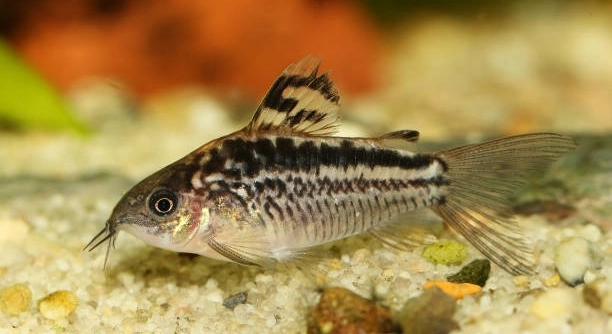
Corydoras catfish are peaceful, bottom-dwelling fish that thrive in schools. They’re popular among aquarists for their gentle nature and unique behaviors. Understanding why they should be kept in groups can enhance their well-being and make your aquarium more enjoyable.
Corydoras catfish naturally form schools in the wild, as this behavior helps them feel secure and reduces stress. When kept in groups, they display more natural behaviors, such as foraging together and interacting with each other, which promotes their overall health.
A school of Corydoras creates a lively, active atmosphere in your aquarium. Understanding the benefits of keeping them in groups will help improve both their quality of life and your aquarium’s dynamics.
Corydoras Catfish Are Social Fish
Corydoras catfish are inherently social creatures that enjoy the company of their own kind. In the wild, they are often found in large groups, where they can forage and interact with each other. This social behavior is crucial for their mental and physical health. When kept alone or in small numbers, they can become stressed, which can affect their appetite, immune system, and overall well-being. A school of Corydoras provides them with a sense of security, allowing them to behave naturally and thrive in their environment.
A group setting allows them to act in ways that promote healthy growth and longevity. With enough companions, they will feel more comfortable in their surroundings and can better express their instincts, from foraging to exploring their tank.
The benefits of keeping Corydoras in schools go beyond just social needs. These fish also exhibit a natural foraging behavior that helps keep your tank clean. They often sift through the substrate in search of food, which helps reduce the accumulation of debris and uneaten food. With a larger group, they will more effectively perform this cleaning task, leading to a healthier and cleaner environment for other tank mates.
Reduced Stress and Anxiety
When Corydoras are kept in groups, they are less likely to feel stressed or anxious. Being solitary can cause these fish to retreat or act erratically, leading to weakened immune systems and even early death.
Stress can significantly impact a Corydoras’ health, making them more vulnerable to diseases and conditions. In a group, the fish rely on each other for protection and comfort. This reduces stress levels and helps them feel safer. More importantly, keeping them in groups encourages more natural behaviors, such as swimming in unison, which can prevent boredom and improve their overall well-being.
A group of Corydoras creates a calming effect on the tank. The presence of multiple fish makes the environment feel more secure, as they tend to stay close together, offering each other safety from perceived threats. With reduced stress, these fish have a better chance of living longer and staying healthier. This is especially true for sensitive species like Corydoras, who need stability to thrive. By keeping a group, you’ll notice the difference in their activity levels, overall health, and behavior.
Natural Behavior and Interaction
Corydoras thrive when allowed to interact with one another. Their playful and curious nature comes out in groups. With a school, they are more likely to engage in natural behaviors, like foraging and exploring together.
In a group, Corydoras will swim in unison, often moving in patterns. This is more than just a display of coordination; it helps them stay alert to changes in their environment. When they are kept in schools, they feel more secure to explore and find food, improving their well-being. On their own, they may retreat into hiding, limiting their natural behaviors.
Schools of Corydoras also promote social bonding. They communicate through subtle movements and sounds, which help them coordinate and maintain group cohesion. In this way, they’re not just surviving—they’re thriving, acting in ways that come naturally to them. The social structure they form allows them to grow stronger and healthier in the long run.
Better Tank Dynamics
Keeping Corydoras in groups helps balance the dynamics of your aquarium. Their presence in schools can have a positive effect on other tank inhabitants, like shrimp, snails, or even plants.
When kept together, Corydoras help create a lively atmosphere that makes the aquarium feel more vibrant. They interact with their surroundings in ways that other fish or creatures may not, helping to maintain a healthy ecosystem. Their constant foraging and scavenging behavior can help remove leftover food and detritus, contributing to the overall cleanliness of the tank. This makes your tank more self-sustaining and reduces the time needed for maintenance.
The group’s activity level also encourages a more active aquarium environment. Corydoras swim along the bottom of the tank, adding movement and visual interest. When other fish see them in action, it may prompt those fish to explore and interact more with their surroundings. The result is a balanced, dynamic tank where both the Corydoras and their tank mates benefit from a more enriched environment.
Easier Care and Maintenance
A school of Corydoras can make tank care simpler. Their foraging behavior helps keep the substrate clean, reducing the amount of debris that builds up. This means less frequent vacuuming and water changes, saving you time and effort in tank maintenance.
By keeping them in groups, they are also less likely to become stressed or sick, meaning fewer trips to the pet store for treatments. A healthy, stable school is more self-sufficient, reducing the need for extra interventions. Their social nature keeps them active and engaged, making it easier to maintain a healthy environment.
More Visual Appeal
The movement of Corydoras in groups adds a beautiful dynamic to any tank. Their synchronized swimming creates a calming and lively atmosphere. Watching them interact with each other can be mesmerizing, making them a visual highlight in your aquarium.
Their playful behavior and gentle movements are easy on the eyes, offering a sense of tranquility to the tank. The way they glide across the bottom, often in small clusters, brings the aquarium to life. It’s a great way to add character to your setup.
Reduced Aggression
In a group, Corydoras tend to be more peaceful and less territorial. They are bottom dwellers, and when kept in schools, they feel secure, which reduces the chances of aggression toward other fish or each other.
When these catfish are kept alone or in pairs, they may show signs of stress and aggression, but in a school, they are more likely to focus on foraging and swimming together. This minimizes conflicts with their tank mates and helps keep the overall tank environment calm and peaceful.
FAQ
Why should Corydoras be kept in groups?
Corydoras catfish are naturally social animals that thrive in schools. In the wild, they rely on the protection and interaction of their group to feel safe and secure. Keeping them in groups helps reduce stress, encourages more natural behaviors, and supports their overall health. A solitary Corydoras may become withdrawn, stressed, or even ill due to isolation, whereas a school allows them to act more naturally and comfortably, leading to better health and longevity. By keeping them in groups, they are more likely to thrive and exhibit behaviors like foraging and swimming together.
How many Corydoras should be kept together?
For a healthy and well-adjusted group, it’s best to keep at least 4-6 Corydoras in the same tank. This number provides them with enough social interaction to reduce stress while still giving them space to move around. Keeping fewer than this can result in some fish becoming isolated and stressed. Larger schools of 8-10 or more are even better, as the more fish there are, the more secure they will feel. However, the size of your tank should also be considered, as too many fish in a small space can lead to overcrowding and water quality issues.
Can Corydoras be kept with other fish?
Yes, Corydoras catfish are generally peaceful and can be kept with a variety of other fish species. However, it’s essential to choose tank mates that are also calm and non-aggressive. Corydoras will do best in a community tank with other peaceful species like small tetras, guppies, or shrimp. Aggressive fish or those that occupy the same bottom-dwelling areas may cause stress or compete for space, leading to conflicts. Additionally, make sure your tank has enough hiding spots, as Corydoras may occasionally seek refuge from more active tank mates.
What type of tank is best for Corydoras?
Corydoras prefer tanks with soft, slightly acidic water and a substrate made up of smooth sand or fine gravel. They are bottom dwellers, so the substrate should be soft enough for them to dig around without damaging their barbels. Providing enough hiding spots and plants is also important, as they enjoy having places to retreat to when they feel insecure. A tank with gentle filtration and a stable, moderate water temperature (between 72-79°F) will keep them comfortable. Since Corydoras are active, a well-planted tank that offers plenty of space for swimming and foraging will also help keep them healthy and happy.
Do Corydoras need a special diet?
Corydoras catfish are omnivores, and their diet should include both plant and protein-based foods. They are scavengers and will often forage for food at the bottom of the tank. Offering a variety of high-quality fish pellets, sinking wafers, or frozen foods like brine shrimp, bloodworms, and daphnia will provide them with a balanced diet. Additionally, they can benefit from occasional plant matter, such as blanched vegetables or algae wafers. It’s important to avoid overfeeding, as uneaten food can accumulate and cause water quality issues. Feeding them once or twice a day is typically sufficient.
How do Corydoras help maintain a clean tank?
Corydoras are excellent at cleaning the tank by scavenging for leftover food and debris that settles at the bottom. They will sift through the substrate, picking up particles of food and organic waste. While they are not the same as a dedicated aquarium cleaner like snails, their foraging behavior does help to reduce the build-up of detritus and excess food. This can be especially helpful in keeping your tank clean and reducing the frequency of water changes. However, it’s important to remember that they shouldn’t be relied upon as the sole cleaning crew in your tank. Regular maintenance is still needed.
Can Corydoras live with shrimp?
Yes, Corydoras can live peacefully with most species of shrimp. In fact, they often share a similar habitat and benefit from the same water conditions. Corydoras may occasionally disturb or nibble on baby shrimp, but they typically do not pose a direct threat to adult shrimp. If you’re concerned about protecting shrimp fry, adding plenty of hiding spots and dense plants in the tank can give them a chance to survive and grow without being disturbed by the catfish. As always, consider the size of your shrimp species when choosing tank mates for Corydoras.
What are the signs of a stressed Corydoras?
A stressed Corydoras may display several signs, including hiding more frequently, loss of appetite, or erratic swimming behavior. They might also stop foraging or appear lethargic. In more severe cases, stressed Corydoras can develop physical symptoms like damaged barbels or faded coloration. Stress can be caused by a variety of factors, including poor water quality, overcrowding, or the absence of other Corydoras. If you notice these signs, check the tank’s water parameters and consider adding more fish to help the existing ones feel more secure.
How long do Corydoras live?
Corydoras catfish typically live for 5-10 years with proper care. Their lifespan can vary depending on water quality, diet, and general tank conditions. Keeping them in groups, maintaining stable water parameters, and providing a balanced diet can help them live longer, healthier lives. It’s important to remember that stress from living alone or in poor conditions can shorten their lifespan, so it’s best to create a comfortable, secure environment for them to thrive in. Regular water changes, proper filtration, and monitoring water parameters will also play a crucial role in their longevity.
Do Corydoras need a heater in their tank?
Corydoras are tropical fish, so a heater is typically needed to maintain a stable water temperature. They prefer temperatures between 72°F and 79°F, and water that is too cold can make them sluggish, stressed, or more susceptible to illness. Ensure your heater is set to a consistent temperature and that the tank maintains stability. Avoid extreme temperature fluctuations, as this can cause stress. A reliable heater will keep the water warm enough to support their natural behavior and health.
Final Thoughts
Corydoras catfish are a great choice for aquariums due to their peaceful nature and helpful behaviors. They thrive when kept in groups, and it’s easy to see why. Their social needs, like foraging together and swimming as a group, make them happier and healthier. Whether you’re a beginner or an experienced aquarium keeper, understanding these social creatures’ needs can greatly improve their well-being. Keeping them in schools not only enhances their happiness but also benefits the overall aquarium environment by helping keep things clean and calm.
The decision to keep Corydoras in groups rather than alone is important for their mental and physical health. Alone, they may become stressed or less active, affecting their overall health. In a group, they’re more likely to be active, interact with their tank mates, and show their natural behavior. Their bottom-dwelling habits help keep the tank clean, but the social aspect of their life plays a huge role in making them thrive. Having a group of Corydoras in your tank can bring a sense of life and balance to your aquarium.
In the end, Corydoras are not just about being peaceful tank mates. They help create a lively, engaging atmosphere and make maintenance easier by keeping the tank clean. Their social nature means they’re happier when kept in schools, and it’s clear that they benefit from being in groups. If you’re looking to improve the quality of life for your Corydoras and your aquarium, keeping them in schools is the best way to go.

Hello,
If you enjoy the content that we create, please consider saying a "Thank You!" by leaving a tip.
Every little bit helps us continue crafting quality advice that supports the health, happiness, and well-being of pets around the world, for pets of all shapes, sizes, and species.
We really appreciate the kindness and support that you show us!