
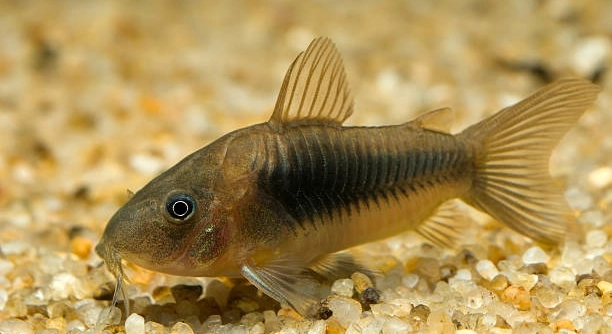
Do your Corydoras seem stressed or sluggish after water changes, even when everything else in the tank appears normal and clean?
Corydoras catfish need stable water parameters, gentle handling, and gradual acclimation to stay healthy during water changes. Sudden shifts in temperature, pH, or hardness can cause stress and weaken their immune systems, leading to health issues.
From water temperature control to proper siphoning techniques, these tips will help you support your Corydoras through every water change.
Change the Water Slowly and Gently
When changing water in a Corydoras tank, sudden shifts can cause stress. These fish are sensitive to changes in temperature, pH, and hardness. Pouring in new water too fast or with a big difference in quality can overwhelm them. Instead, try removing and replacing the water gradually. Use a clean container or drip system to slowly add treated water that matches the tank’s temperature and chemistry. This gives them time to adjust and stay calm. Make water changes a smooth process by keeping things consistent. Quick, harsh changes can lead to hiding, erratic swimming, or illness.
Use a thermometer to compare the new water and the tank water before adding anything in. If needed, adjust the temperature before pouring.
Keeping changes subtle helps Corydoras maintain their behavior and health. They stay more active and relaxed when they aren’t surprised by a sudden shift. A consistent environment is key for their well-being.
Match Water Temperature Carefully
A sudden drop or rise in water temperature can easily shock Corydoras. Always match new water to the tank temperature.
Check the water temperature with a reliable thermometer. Even a difference of just two or three degrees can stress them out. Let the replacement water sit out until it reaches the same temperature or use a heater if necessary. If you’re using water straight from the tap, remember that seasonal changes can make it colder or warmer than expected. Temperature shock can lead to poor appetite, strange swimming patterns, and higher risk of disease. For best results, aim to keep the temperature stable between 72°F and 78°F, which is their preferred range. You’ll likely notice that when temperature stays steady, Corydoras are more likely to stay active, dig in the substrate, and interact normally with one another. This simple step makes a big difference during regular maintenance and keeps their immune systems strong and stress levels low.
Use a Water Conditioner Every Time
Chlorine and chloramine in tap water can harm Corydoras. A water conditioner removes these chemicals quickly, making the water safe.
Even small amounts of untreated tap water can cause gill irritation, sluggishness, or even death. Always treat water before adding it to the tank. Choose a reliable conditioner that neutralizes chlorine, chloramine, and heavy metals. Some products also support slime coat health, which is helpful during stressful moments like water changes. It’s a good habit to let the water sit for a few minutes after conditioning before slowly pouring it in. Avoid skipping this step, even if you’re only doing a partial change. It’s an easy way to protect your Corydoras and maintain their comfort.
Conditioners work instantly, but it’s still important to measure doses correctly. Follow the product instructions and avoid guessing. Using too much won’t help and might even add unnecessary compounds to the water. Stick to safe levels.
Clean the Substrate Without Disturbing the Corydoras
Corydoras spend most of their time at the bottom of the tank. Vacuuming the substrate helps remove waste, but it should be done gently.
Use a small gravel vacuum or siphon tube to clean around your Corydoras without scaring them off. Move slowly and avoid sudden motions. Instead of cleaning the entire substrate all at once, focus on half the tank or less during each change. This helps preserve beneficial bacteria while still clearing out debris. Corydoras will likely swim away briefly and return once they feel safe again. Try to avoid chasing them or letting the vacuum hose touch them. Even light contact may cause stress or confusion.
If your substrate is sand, hover the siphon just above it to remove debris without sucking up the sand itself. Clean regularly, but always in a calm and steady way. This helps keep the tank tidy without upsetting the fish.
Avoid Stirring Up Too Much Debris
When cleaning the tank, avoid kicking up excess waste or disturbing the bottom too much. Corydoras can get stressed if the water becomes cloudy with debris during a water change.
Work slowly and clean in sections. This keeps the water clearer and prevents the filter from getting overloaded.
Watch Their Behavior During and After Changes
Pay attention to how your Corydoras act while you’re doing a water change. If they swim erratically, gasp at the surface, or hide for long periods afterward, something might be off. It could be water quality, temperature, or how fast you’re adding new water. Noticing small changes early helps prevent bigger issues later. Their behavior can tell you a lot, so don’t ignore it. Calm, curious swimming is usually a sign that everything went well. If something feels off, check your water parameters right away. You’ll learn what works best for them as you go.
Use Low Flow When Refilling
A strong stream of water can disturb Corydoras and stir up the substrate. Use a slow, gentle flow when adding new water to keep them comfortable.
FAQ
How often should I change the water in my Corydoras tank?
Water changes for Corydoras should be done regularly, at least once a week, but this can vary depending on the tank size and filtration. A 25-30% water change every week is a good starting point for most setups. Smaller tanks with less filtration may need more frequent changes, while larger tanks with better filtration systems might need less. Always monitor water parameters like ammonia, nitrites, and nitrates to guide your decision. If water quality starts to decline, increase the frequency of your water changes.
What is the best temperature for Corydoras during a water change?
Corydoras prefer water temperatures between 72°F and 78°F (22°C to 26°C). During a water change, ensure the new water matches the tank’s temperature closely. Sudden changes can stress them out and lead to illness. Use a thermometer to check both the tank water and the new water before adding it in. If needed, use a heater or let the water sit to match the temperature.
Can I use tap water for my Corydoras tank?
Tap water can be used for Corydoras tanks, but it’s essential to treat it before adding it to the tank. Tap water often contains chlorine, chloramine, and heavy metals that can harm your fish. Always use a water conditioner to remove these chemicals. Test your tap water’s hardness and pH, as Corydoras prefer slightly acidic to neutral water (pH 6.0-7.5). If your tap water is too hard or alkaline, consider using RO (reverse osmosis) water or mixing it with distilled water to bring it closer to their preferred conditions.
Should I use a filter during water changes?
Yes, it’s a good idea to have the filter running during a water change to keep the water circulating and help remove any debris stirred up during cleaning. However, if you’re performing a large water change or cleaning the filter itself, you can temporarily turn it off to avoid stressing the fish. Just be sure to turn it back on after the change is completed. Keep in mind that your Corydoras rely on the filter for oxygen and waste removal, so never leave it off for extended periods.
How can I prevent my Corydoras from getting stressed during water changes?
To prevent stress, keep the water changes slow and gentle. Avoid drastic changes in temperature, pH, or hardness. Using a drip system or a clean container to gradually add treated water is a great method. Also, avoid disturbing the fish or substrate too much. Corydoras are sensitive to noise and sudden movements, so try to be calm and slow during the process. Ensuring the water is treated and stable before adding it helps reduce stress. If your Corydoras seem stressed after a change, monitor their behavior closely and check water parameters.
Can Corydoras survive without a filter during a water change?
While Corydoras can survive temporarily without a filter during a water change, it is not recommended to leave the filter off for too long. The filter plays a crucial role in maintaining water quality, especially by removing harmful toxins. If the filter needs to be turned off during cleaning, turn it back on as soon as possible. You can also use an air pump or aerator to keep oxygen levels up while the filter is off.
What do I do if my Corydoras stop eating after a water change?
If your Corydoras stop eating after a water change, it may be due to stress from the water change or changes in water parameters. It’s important to check the water quality immediately. Test for ammonia, nitrites, nitrates, and pH to make sure everything is within safe ranges. Corydoras can also stop eating if the water is too cold or if they’re not comfortable with the conditions. If the water quality is fine, try offering a different food source or waiting a few hours before trying again.
Can I use a gravel vacuum with Corydoras in the tank?
Yes, you can use a gravel vacuum while Corydoras are in the tank, but it’s important to be gentle. Corydoras like to stay close to the substrate, so be careful not to disturb them too much. Move slowly and avoid touching them with the vacuum, as sudden movements can cause stress. If you’re concerned about disturbing them too much, consider vacuuming only part of the tank at a time. Always make sure the vacuum doesn’t suck up sand if you’re using a sand substrate, as it could harm your fish.
Is it safe to change the water after feeding my Corydoras?
It’s best to change the water before feeding your Corydoras. This ensures that any food waste and debris are cleaned up before adding new water, keeping the tank cleaner. If you do a water change after feeding, make sure to remove any uneaten food to prevent water quality issues. Over time, uneaten food can cause ammonia spikes, which could harm your Corydoras. Try to feed small amounts of food and remove any leftovers after about 15 minutes.
How can I tell if my Corydoras are stressed after a water change?
Stressed Corydoras may display erratic swimming, hiding, or gasping at the surface. They may also appear lethargic, with reduced activity. Stress can be caused by temperature swings, changes in water quality, or too many sudden movements. Monitor their behavior carefully after a water change. If the stress continues, check water parameters and ensure the changes were gradual and gentle. If problems persist, consider consulting an expert or adjusting your water change routine.
Final Thoughts
Maintaining a healthy environment for your Corydoras catfish requires consistent care, especially when performing water changes. These fish are sensitive to fluctuations in water quality, temperature, and other factors, so ensuring stable conditions is essential. By following the right steps, such as gradually introducing fresh water, keeping the temperature consistent, and avoiding disturbances, you can help your Corydoras thrive during water changes. This process may seem simple, but attention to detail can prevent stress and keep your fish healthy in the long term.
Always remember to monitor water parameters like ammonia, nitrites, and pH regularly. Regular water changes, combined with proper filtration, can go a long way in keeping the tank clean and your fish safe. Additionally, taking note of your Corydoras’ behavior during and after water changes can provide helpful insights into their health. If they are swimming normally and showing curiosity, it’s a good sign. If they become stressed or stop eating, it’s essential to address any potential issues with the water quality immediately.
Over time, you’ll develop a routine that works best for your specific setup. Whether it’s using tap water or adjusting your filtration system, finding the right balance is key. Water changes are just one part of your Corydoras’ overall care, but they are an important one. With a little care and attention, your Corydoras will stay healthy and happy in their tank.

Hello,
If you enjoy the content that we create, please consider saying a "Thank You!" by leaving a tip.
Every little bit helps us continue crafting quality advice that supports the health, happiness, and well-being of pets around the world, for pets of all shapes, sizes, and species.
We really appreciate the kindness and support that you show us!