
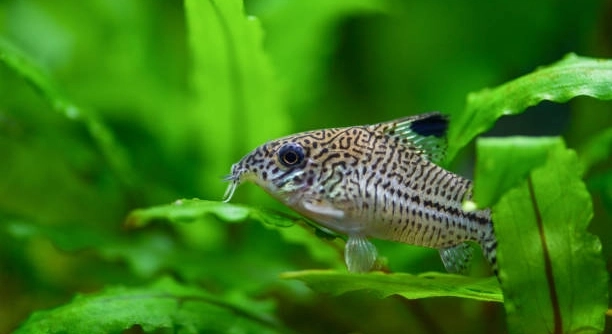
Corydoras catfish are peaceful and charming additions to any aquarium. However, just like other pets, they need the right environment to thrive. It’s important to monitor their behavior to ensure they’re comfortable in their home.
If your Corydoras catfish is showing signs of stress, such as aggression or excessive hiding, it might be an indication they need more space in their tank. Providing enough room will help keep your fish healthy and reduce stress.
Proper tank space plays a crucial role in maintaining a balanced aquarium. Understanding how to address space limitations will ensure your fish stay happy and healthy.
1. Corydoras Catfish Are Social Creatures
Corydoras catfish are naturally social fish that thrive in groups. They feel safest when they can interact with other fish. If they are kept alone or in a too-small tank, they can become stressed. This stress often leads to health problems. When they have enough space, they are more likely to engage in natural behaviors like schooling and foraging. A larger tank gives them room to swim and explore, which is important for their mental and physical health. Corydoras need enough space to swim freely, especially as they are active bottom dwellers. A cramped environment can quickly cause them to become agitated or lethargic.
A larger tank with multiple Corydoras will help your fish stay active and stress-free. It’s crucial to keep their social needs in mind when considering their space requirements.
Giving your catfish a space where they can swim and interact with each other helps maintain their well-being. Stress from overcrowding or isolation can cause health issues that might be avoidable with proper space. Keeping their environment suitable will let them thrive long-term.
2. Tank Size and Swimming Space Matter
If your Corydoras are in a tank that is too small, they won’t be able to swim freely.
A minimum of 20 gallons is recommended for a small group of Corydoras. If you are keeping more than a few, you may want to increase the tank size. Providing ample space lets them maintain their natural behavior. A larger tank also helps keep the water quality stable, as more space for waste helps avoid harmful buildup.
3. Aggression and Territorial Behavior
When Corydoras feel cramped, they may start showing signs of aggression. This behavior can manifest in chasing other fish or pushing them away from resources like food or hiding spots. A lack of space may make them more territorial, leading to stress.
Corydoras are generally peaceful fish, but when confined to a small area, they become more easily irritated. Aggression can lead to injuries, so it’s essential to give them enough room. As they become more stressed, this behavior will likely intensify, making the tank environment less enjoyable for both the fish and their tankmates.
By increasing the space, you give the Corydoras room to establish their own territories without constantly feeling threatened by others. Larger tanks also allow more hiding spots, which helps reduce the chances of conflict. This extra space will help your fish feel secure and calm.
4. Increased Hiding and Reduced Activity
In a cramped environment, Corydoras may begin to spend more time hiding rather than exploring the tank. When they feel their space is limited, they instinctively seek shelter, retreating into rocks or plants.
Less swimming space means less exercise, leading to a sedentary lifestyle. Over time, this lack of activity can affect their health, making them more susceptible to illness. Without the ability to freely move, Corydoras will miss out on vital opportunities to forage or socialize with others, all of which are essential for their well-being.
To prevent this, it’s crucial to provide a spacious environment where your Corydoras can remain active and healthy. When they have more room, they’re more likely to explore, engage with each other, and exhibit normal behavior, improving their overall happiness and longevity.
5. Excessive Hiding Behavior
Corydoras catfish are naturally curious and like to explore their environment. When they feel cramped, they may retreat into corners, plants, or other hiding spots more than usual. This behavior can signal that they are stressed or uncomfortable in their current living conditions.
Excessive hiding often indicates that your catfish don’t feel safe or have enough space to swim freely. If they can’t interact with other fish or engage in normal activities, their behavior will change. This lack of stimulation can also lead to a decline in their overall health.
6. Poor Feeding Habits
When Corydoras are confined to a small tank, they may not have enough space to access food properly. This can lead to irregular feeding habits. If they feel stressed or threatened, they may be less eager to eat.
This lack of proper nutrition can weaken their immune system. It’s essential that your Corydoras can swim around the tank to access food from all areas. Giving them enough space will help them get the nutrition they need and prevent weight loss or malnutrition, which can be harmful.
7. Stunted Growth
A lack of space can also cause Corydoras catfish to grow slower or even stunt their development. When they don’t have enough room to swim, their bodies might not develop at the correct rate.
Stress from overcrowding impacts their growth hormones, limiting their physical potential. Providing more space for your catfish to swim and explore will help them grow at a healthier, more natural pace. A larger tank ensures that their growth isn’t hindered by poor living conditions.
FAQ
How much space do Corydoras catfish need?
Corydoras catfish generally need at least 20 gallons of water for a small group of 3 to 4 fish. If you have more, it’s important to increase the size of the tank. This allows them enough space to swim and explore, which is essential for their physical and mental health. A larger tank also helps to maintain water quality and stability, making it easier for your fish to thrive.
Can Corydoras live in smaller tanks?
While Corydoras can technically survive in smaller tanks, it is not ideal for their long-term well-being. In small tanks, they are more likely to experience stress and aggression due to the limited space. Overcrowding can also cause a buildup of toxins in the water, further harming the fish. Larger tanks provide better water conditions, reduce stress, and allow Corydoras to exhibit their natural behaviors, leading to a healthier environment.
Do Corydoras need tank mates?
Corydoras are peaceful fish and prefer to live in groups of at least 3 to 5 individuals. While they can survive alone, they are social creatures and thrive in the company of other Corydoras. Tank mates are important for reducing stress and encouraging natural behaviors. Keeping them in a group helps them feel safe and secure, leading to happier and healthier fish. However, ensure the tank is large enough to accommodate all the fish.
Can Corydoras live with other species?
Yes, Corydoras can live with many other peaceful fish species. They are non-aggressive and usually get along with other calm tank mates. Ideal companions include tetras, guppies, and other community fish that aren’t too aggressive or large. Avoid housing them with aggressive fish that might stress them out or take their food. Always research the compatibility of potential tank mates before adding them to your aquarium.
How can I tell if my Corydoras is stressed?
Signs of stress in Corydoras include hiding excessively, reduced activity, abnormal swimming behavior, or aggression towards other fish. They may also refuse to eat or show signs of illness, such as pale coloring or clamped fins. If you notice any of these behaviors, it’s important to check the water conditions and tank size. Stress is often a result of overcrowding or poor water quality. Adjusting their environment can help relieve their stress and improve their health.
What are the ideal water conditions for Corydoras?
Corydoras prefer slightly acidic to neutral water with a pH between 6.5 and 7.5. The water temperature should be kept between 72°F and 78°F (22°C to 26°C). Good filtration is important to maintain water quality, as Corydoras are sensitive to ammonia and nitrite levels. Regular water changes and monitoring water parameters will help keep your Corydoras happy and healthy. Proper water conditions reduce stress and encourage normal behavior.
Can Corydoras live in a tank with gravel?
Corydoras can live in tanks with gravel, but it’s important to choose smooth gravel with rounded edges. Sharp gravel can injure their delicate barbels. Some aquarium owners prefer using sand because it’s gentler on their barbels, which Corydoras use to search for food. If you use gravel, make sure it’s not too rough and that the fish have enough space to burrow and move freely.
How often should I change the water in my Corydoras tank?
Water changes are crucial for maintaining good water quality. It’s recommended to change about 25-30% of the water every 1-2 weeks. If the tank is heavily stocked, you may need to change the water more frequently. Keeping the water clean and free from toxins is essential to prevent stress and illness. Regular water changes help keep the aquarium environment stable and comfortable for your Corydoras.
Do Corydoras need a filter?
Yes, Corydoras require a filter to keep the water clean and oxygenated. They are sensitive to poor water quality, so having a reliable filter is necessary to maintain a healthy environment. Make sure the filter doesn’t create strong currents, as Corydoras prefer calm waters. A gentle filter that maintains water movement without being too forceful will help ensure your fish thrive.
How do I know if my Corydoras is getting enough food?
Corydoras are bottom feeders, so they rely on food that sinks to the bottom of the tank. If your fish are getting enough food, they will actively search and forage along the tank floor. However, if they seem lethargic or spend too much time hiding, it could be a sign they’re not getting enough food. Offer sinking pellets or tablets designed for bottom feeders. Make sure all the fish in the tank have access to food and that it’s not being eaten too quickly by other species.
Are Corydoras active at night?
Corydoras catfish are mostly active during the day, but they do tend to be more active in the evening and at night compared to some other fish species. They are not true nocturnal fish but may spend more time foraging for food when the aquarium lights are dim. If they are confined to a small space, they might become more reclusive, limiting their activity overall.
What size group should Corydoras be kept in?
It’s best to keep Corydoras in groups of at least 3-5 fish. They are social and feel more secure when they have other Corydoras around. A larger group is better if you have the space for it. Keeping them in groups also helps reduce stress and encourages natural behaviors, such as schooling and foraging together.
Can Corydoras live with shrimp?
Yes, Corydoras can live with shrimp, especially larger species like Amano or Ghost shrimp. Corydoras are peaceful and unlikely to harm shrimp. However, smaller shrimp species may be at risk, especially if the Corydoras are large enough to see them as food. Ensure that the tank has plenty of hiding spots for the shrimp to escape if needed.
Do Corydoras need a lid on their tank?
Corydoras catfish generally stay on the bottom of the tank and are not known for jumping. However, some aquarium owners still recommend using a lid, especially if other species in the tank are jumpy. A lid can also help prevent evaporation and maintain stable water conditions, which is important for Corydoras’ well-being.
Why is my Corydoras not swimming?
If your Corydoras is not swimming, it could be a sign of stress, illness, or water quality issues. Make sure the water temperature and pH are within the recommended range. If the fish is hiding or staying still, it may also be an indication that the tank is too small or overcrowded. Check the tank environment and look for any signs of disease or injury.
Final Thoughts
Ensuring your Corydoras catfish have enough space is vital to their health and happiness. These small fish are active and social, so providing them with room to swim, explore, and interact with their tank mates is key. When their space needs aren’t met, they can become stressed, leading to changes in behavior and potential health problems. A spacious tank allows them to engage in natural activities like schooling and foraging, which helps maintain their well-being.
If you notice signs of stress, such as hiding, aggression, or a decrease in activity, it may be time to reconsider the size of their tank or the number of fish in the aquarium. Corydoras prefer to live in groups, and having too few or too many fish in a small space can cause tension. Additionally, overcrowding can lead to poor water quality, which can further harm your fish. By adjusting the tank size and ensuring proper filtration, you can create an environment where your Corydoras thrive. A tank that is large enough to accommodate both the fish and their needs will make all the difference in the long term.
Lastly, keeping an eye on the overall environment in your tank is just as important as considering the space for your fish. Regular water changes, proper filtration, and monitoring the behavior of your Corydoras can help keep them healthy and active. A larger tank provides more than just space—it offers a stable, healthy environment that supports the natural behavior of your fish. Whether you have one Corydoras or a group, providing enough space and care will lead to a more successful and enjoyable aquarium. Remember, your Corydoras rely on you for a safe, comfortable space to grow and live their best life.

Hello,
If you enjoy the content that we create, please consider saying a "Thank You!" by leaving a tip.
Every little bit helps us continue crafting quality advice that supports the health, happiness, and well-being of pets around the world, for pets of all shapes, sizes, and species.
We really appreciate the kindness and support that you show us!