
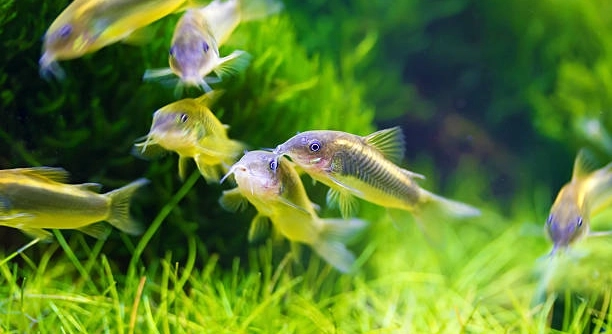
Corydoras catfish are popular aquarium fish known for their peaceful nature. If your Corydoras stays in the same spot, understanding the cause is important for ensuring its health and well-being. This behavior can stem from several factors.
The most common reasons for a Corydoras staying in one spot include stress, water quality issues, illness, or even simply resting. Environmental factors like water temperature, filtration, and tank mates can also contribute to this behavior.
Understanding these potential causes will help you address the issue and ensure a healthier, happier Corydoras catfish.
Stress and Anxiety
Stress is one of the most common reasons why a Corydoras catfish may stay in the same spot. These fish are sensitive to changes in their environment, and if they feel threatened or uncomfortable, they might retreat to a quieter area. Common stress factors include sudden changes in water parameters, noisy tank mates, or poor tank conditions. Even the presence of a new fish can cause distress, leading the Corydoras to isolate itself. It’s important to observe the tank setup and make sure your Corydoras has enough space and a peaceful environment to thrive.
It’s crucial to ensure that the aquarium isn’t overcrowded and that the fish have plenty of hiding spots. If other fish are harassing the Corydoras, it can lead to the fish becoming stressed and staying in one place.
Addressing the stress in the tank can improve the situation. Adding plants, decorations, and creating a peaceful environment will help your Corydoras feel safe. If the stress persists, check the water quality and make adjustments to keep everything balanced.
Water Quality
Water quality plays a major role in the health of all aquarium fish, including Corydoras catfish. If the water parameters are off, your fish may become lethargic and stay in one spot. Corydoras are particularly sensitive to high levels of ammonia, nitrites, or nitrates in the water. These toxic substances can make your catfish uncomfortable, leading it to seek refuge in a corner. Regular water changes and consistent testing will help maintain a clean and safe environment for your fish.
Poor filtration or infrequent water changes can contribute to these issues. Be sure to monitor the ammonia and nitrite levels regularly, as these can spike quickly and harm your fish. A reliable filtration system helps keep the water clean, preventing toxins from building up.
Illness
If your Corydoras is staying in one spot, it could be an indication of illness. Sick fish often isolate themselves as a survival mechanism. Common signs of illness in Corydoras include loss of appetite, unusual swimming patterns, and visible sores. If your fish appears lethargic and stays in the same place for extended periods, it’s important to examine it closely for any symptoms of disease.
Checking the water quality is essential when illness is suspected, as poor water conditions can exacerbate existing health problems. If the Corydoras is not eating or is showing abnormal behavior, consider consulting a vet. A thorough examination may reveal underlying conditions such as infections, parasites, or other health issues that require treatment.
If your Corydoras is sick, quarantine it to prevent any potential spread of disease to other fish in the tank. Provide proper care, such as medicated food or water treatments, and monitor the fish closely for signs of recovery. Ensuring a clean, stress-free environment will help with the healing process.
Tank Mates
Aggressive tank mates may cause your Corydoras to stay in one spot. Corydoras are peaceful fish and can be easily intimidated by more aggressive species. Tank mates that chase, nip, or bully the Corydoras can lead to stress, causing it to retreat to a quiet corner. If your Corydoras seems to be avoiding other fish, it’s worth examining the social dynamics in the tank.
Introducing peaceful, compatible species is key to maintaining harmony in the aquarium. Fish like tetras or small rasboras make good tank mates for Corydoras. Avoid keeping them with larger, more territorial fish that may harass them. Having enough hiding spots, such as caves or plants, also helps give your Corydoras a safe space where it can feel secure.
Regularly observing the interactions between your Corydoras and other tank mates will help you identify any issues early on. If aggressive behavior is present, consider removing the troublemakers or adjusting the tank layout to reduce tension.
Water Temperature
Corydoras catfish are sensitive to temperature changes. If the water is too cold or too warm, it can cause the fish to become inactive and stay in one place. Maintaining a stable temperature within the recommended range of 72°F to 78°F (22°C to 26°C) is crucial for their health.
Investing in a reliable aquarium heater is essential to maintain the right temperature. Be sure to monitor the temperature regularly using a thermometer to avoid fluctuations. Sudden changes in water temperature, even if slight, can cause stress and discomfort, leading to your Corydoras staying in one spot.
Consistent water temperature also promotes better overall health. It encourages normal feeding and behavior, reducing the likelihood of illness and stress. Make adjustments as needed to ensure a comfortable environment for your Corydoras.
Tank Size
A small tank can lead to limited space for Corydoras catfish, causing them to become sedentary. A cramped environment may make the fish feel stressed or confined, leading them to hide or stay in one spot. Proper tank size is important for your Corydoras to thrive.
Corydoras are active fish that require space to swim freely. A tank size of at least 20 gallons is recommended for a small group of Corydoras. Having more room allows them to explore and reduces the chances of stress-related behavior like staying in one spot. A larger tank also helps maintain better water quality.
A spacious environment also makes it easier to add plants and hiding spots, which can further reduce stress and promote healthy activity levels. Keeping your Corydoras in a larger tank will improve its overall quality of life.
Overfeeding
Overfeeding is a common mistake that can lead to behavioral issues in Corydoras catfish. When fish are fed too much, uneaten food can quickly decompose, affecting water quality and leading to stress. Overfed fish may also become lethargic and stay in one spot.
It’s important to feed your Corydoras only what it can consume in a few minutes. Excess food should be removed to avoid water contamination. Overfeeding can also lead to obesity, which might affect the fish’s movement and behavior. Proper feeding practices are essential for maintaining a healthy aquarium environment.
Make sure to stick to a consistent feeding schedule and avoid giving excessive portions. This will help ensure the water quality remains high and your Corydoras stays active and healthy.
FAQ
Why does my Corydoras stay in one spot all day?
A Corydoras staying in one spot all day could be a sign of stress, illness, or poor water quality. Corydoras are generally active fish, so if they are inactive, it’s important to check the water parameters. Ammonia, nitrite, and nitrate levels should be monitored regularly. If these toxins are high, it can cause discomfort and force the fish to isolate. Additionally, tank mates, water temperature, or any changes in the environment may cause the Corydoras to retreat. Pay attention to its behavior and remove any possible stressors to encourage normal activity.
Can Corydoras catfish get sick from being in one spot?
Staying in one spot can indicate illness in Corydoras catfish, especially if they show other signs of distress such as loss of appetite, abnormal swimming, or visible signs of disease. Illnesses like parasites, bacterial infections, or fin rot may cause Corydoras to become lethargic. It’s important to examine the fish for signs of injury or illness, such as swollen areas or discolored fins. In such cases, isolating the fish and treating it in a quarantine tank with appropriate medications is recommended to avoid infecting other fish in the aquarium.
How do I know if my Corydoras catfish is stressed?
Stressed Corydoras often display abnormal behavior, such as staying in one spot for extended periods or hiding more than usual. They may also swim erratically or rub their bodies against tank objects. Stress can be caused by poor water conditions, overcrowding, aggressive tank mates, or sudden environmental changes. To reduce stress, maintain stable water parameters, ensure that the tank is appropriately stocked, and avoid adding new fish too quickly. Adding hiding spots or plants can also help your Corydoras feel secure.
What is the best water temperature for Corydoras catfish?
Corydoras thrive in temperatures ranging from 72°F to 78°F (22°C to 26°C). If the water is too cold or too hot, it can cause the fish to become inactive and stressed. A consistent temperature within this range is vital for their well-being. You can use an aquarium heater and thermometer to maintain the correct water temperature. Regularly check the temperature to ensure it remains stable, as Corydoras are particularly sensitive to fluctuations, which can lead to health issues or stress.
Can Corydoras live with other fish?
Corydoras are peaceful and can live with many other fish species, but compatibility depends on the tank mates. They do best in tanks with other peaceful fish, such as tetras or small rasboras. Avoid placing Corydoras with aggressive or territorial fish, like large cichlids or some types of bettas. Overcrowding can also lead to stress, so it’s important to ensure the tank has enough space for all the fish to coexist. Providing plenty of hiding spots and plants will also help create a more peaceful environment for everyone in the tank.
Do Corydoras need a filter?
Yes, Corydoras require a well-maintained filter to ensure the water remains clean and free from harmful toxins. Corydoras are bottom-dwellers and often stir up debris from the substrate. A good filter will help remove this waste, preventing it from contaminating the water. In addition to keeping the water clean, filtration also helps with oxygenation, which is vital for the fish’s health. Make sure the filter is appropriately sized for the tank and is maintained regularly to ensure proper water circulation and quality.
What size tank do Corydoras need?
Corydoras are small, but they still need enough space to swim and explore. A minimum of 20 gallons is recommended for a small group of Corydoras, though a larger tank is preferable if you plan to keep more than a few fish. A larger tank allows for better water quality management and provides enough room for Corydoras to move around freely. It’s also essential to ensure the tank has a proper substrate, like fine gravel or sand, which will help mimic the natural environment and encourage healthy behavior.
Why is my Corydoras catfish hiding in the corner?
If your Corydoras is hiding in the corner of the tank, it could be due to stress, illness, or poor water conditions. Corydoras are peaceful and like to explore, so if they are hiding, there may be an issue with the environment or their health. Check the water parameters for any imbalances, such as high ammonia or nitrate levels. If everything is in order, observe for any signs of illness, like swollen areas, abnormal swimming, or difficulty eating. Sometimes, Corydoras also seek out corners or hidden spots when they are feeling overwhelmed or threatened by tank mates.
Can Corydoras catfish swim upside down?
Corydoras catfish are known for their ability to swim on their sides or upside down. This is a normal behavior for them and is due to their specialized pectoral fins, which allow them to maneuver in unique ways. However, if your Corydoras is swimming upside down for an extended period and seems unable to right itself, this could indicate a health issue, such as swim bladder problems. In that case, isolating the fish in a separate tank and monitoring its condition will help determine if it requires medical treatment.
Do Corydoras catfish eat plants?
Corydoras catfish are primarily bottom feeders and do not usually eat live plants. They are scavengers, feeding on leftover food, algae, and detritus from the substrate. While they might nibble on some plant matter if it’s available, they typically won’t damage or destroy plants. However, if your Corydoras is showing signs of eating plants, it could be a sign of hunger or an imbalance in the tank’s diet. Make sure to feed your Corydoras enough nutritious food to prevent it from turning to plants for sustenance.
Final Thoughts
Corydoras catfish are generally peaceful and active fish, but when they stay in one spot for extended periods, it may signal underlying issues. The reasons behind this behavior can vary, from poor water quality to stress, or even a change in the environment. Corydoras rely on stable and clean conditions to thrive, so ensuring their tank is properly maintained is essential. Regular water changes, monitoring water temperature, and checking for harmful toxins like ammonia or nitrites can help keep them healthy and active.
Understanding the factors that influence your Corydoras’ behavior will help you provide the best care possible. If the fish are staying in one spot, it’s important to assess their tank setup. Overcrowded tanks or inadequate hiding spots can also cause stress. Offering enough space for them to swim and introducing plants or decorations for cover will encourage natural behavior. Ensuring your fish feel safe and comfortable will reduce the chances of them isolating themselves in one spot.
If all aspects of the tank environment are in check and the Corydoras still seem inactive, it may be time to observe for signs of illness. Corydoras, like any fish, are susceptible to parasites and bacterial infections. If the behavior persists or is accompanied by other symptoms, isolating the affected fish for treatment might be necessary. By maintaining a clean, peaceful environment and providing attentive care, you can ensure your Corydoras stay healthy and active in their tank.

Hello,
If you enjoy the content that we create, please consider saying a "Thank You!" by leaving a tip.
Every little bit helps us continue crafting quality advice that supports the health, happiness, and well-being of pets around the world, for pets of all shapes, sizes, and species.
We really appreciate the kindness and support that you show us!