
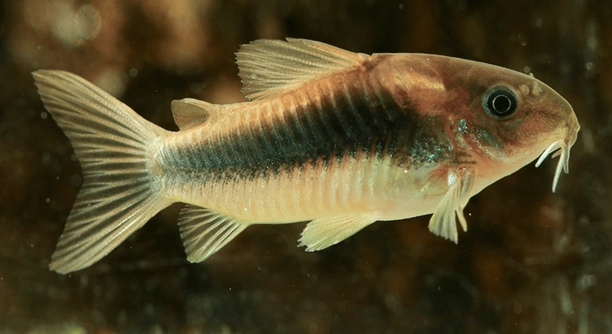
Corydoras catfish are popular among aquarium enthusiasts due to their peaceful nature and beneficial role in keeping tanks clean. These small fish thrive in specific water conditions, making it essential to maintain the right temperature.
The ideal temperature range for Corydoras catfish is between 72°F and 78°F (22°C to 26°C). When the water temperature is within this range, your catfish will remain active, healthy, and stress-free. Extremes in temperature can cause distress or illness.
Knowing how to tell if the temperature is just right for your Corydoras can help you keep your fish in top condition. Let’s explore the signs that indicate your catfish are comfortable and thriving in their environment.
Active Swimming and Exploration
When Corydoras catfish are in the right temperature range, you will notice they swim actively and explore their surroundings. These fish enjoy moving around the tank, looking for food and interacting with objects like plants or rocks. Their lively behavior is a sign that they are comfortable. If the temperature is too high or too low, they may become lethargic, staying near the bottom of the tank, barely moving. Proper water temperature encourages your catfish to be more active, enhancing their overall health and appearance.
If your Corydoras are swimming more freely and engaging with their environment, it’s a good indication that the water temperature suits their needs.
However, sudden changes in temperature can make them sluggish, leading to stress. This is why it’s important to avoid rapid fluctuations. Stability in water temperature helps your Corydoras maintain a healthy level of activity, and they’re likely to exhibit more playful behaviors. Watching your fish swim around joyfully can be a clear sign of a happy and healthy environment.
Consistent Behavior and Feeding Habits
Corydoras catfish are bottom dwellers and tend to search for food throughout the day. When the water temperature is right, they will be active at feeding times, eagerly moving to the surface or around the tank for food. Their feeding behavior is usually steady, and they show interest in the food placed in the tank. If the temperature is not suitable, they might lose their appetite, or it may take longer for them to respond.
Catfish are opportunistic feeders, and if they seem uninterested in food or are slow to react, it could indicate discomfort. A sudden drop in their activity levels and feeding response could point to a water temperature issue. Keeping a consistent temperature will allow them to maintain healthy feeding habits.
Clear, Clean Water
Corydoras catfish thrive in clean, clear water, and the right temperature helps maintain this. When the water temperature is optimal, the filtration system works more effectively, keeping debris and waste to a minimum. This prevents buildup of harmful substances that could stress your fish.
If the temperature is too high or too low, water quality can suffer, leading to cloudy or dirty water. High temperatures encourage bacteria growth, while low temperatures slow down the breakdown of organic waste. Maintaining the right temperature promotes proper filtration, ensuring the water stays clean. Your Corydoras will be more comfortable in an environment that stays stable in both temperature and cleanliness. They tend to be sensitive to water quality changes, so keeping things clear is key to their health.
Regular maintenance of your tank, along with monitoring the water temperature, will help your Corydoras stay in top condition. Keeping an eye on these factors will also prevent issues like algae growth or disease, which can occur in improperly maintained tanks.
Smooth, Steady Breathing
Corydoras catfish have gills that help them breathe underwater, but temperature changes affect their respiration. When the temperature is within the ideal range, your catfish will breathe steadily and without difficulty. Their gills will appear to move rhythmically and regularly.
If the temperature is too high, Corydoras may start breathing faster, which is a sign that they are stressed. In cooler temperatures, they may appear sluggish, with slower or less frequent breathing. These changes indicate that the fish are not comfortable, and it’s a sign to check the water temperature. A steady, relaxed breathing pattern shows that your catfish are content and that the environment is right for them.
Paying attention to how your Corydoras breathe can provide quick insight into their comfort level. If you notice any signs of distress like rapid breathing, it’s time to check if the temperature is where it should be.
Healthy Fin Movement
When the water temperature is right, your Corydoras will have healthy, smooth fin movements. Their fins will stay open and agile, allowing them to swim and maneuver with ease. You’ll see them gliding gracefully through the tank, their fins fully extended.
If the temperature is too high, their fins might appear clamped or stiff, which is a sign that they’re uncomfortable. When they’re stressed by temperature changes, they often slow down and keep their fins close to their body. This behavior indicates that something isn’t right in their environment, and you should check the temperature.
Balanced Coloration
Corydoras catfish display vibrant, natural coloration when they are in the right temperature range. Healthy fish will have clear, bright colors that enhance their appearance. Their patterns will be distinct, and they’ll look lively.
If the temperature is too far from ideal, their colors might fade or become dull. Stress from uncomfortable conditions affects their pigmentation. A healthy, happy Corydoras will maintain rich colors, so any fading can be a sign to adjust the water temperature.
Stable Tank Temperature
Maintaining a stable temperature is crucial for your Corydoras. Fluctuations can stress them out, causing a decline in health and behavior. Stable water temperature ensures your fish feel secure in their environment.
FAQ
What happens if the water temperature is too high for my Corydoras?
If the water temperature rises above the ideal range, your Corydoras catfish may experience stress. High temperatures cause them to breathe faster and can make them more lethargic. You may notice them staying near the bottom of the tank, avoiding movement. Prolonged exposure to high temperatures can weaken their immune system, making them more susceptible to disease. In extreme cases, high water temperatures can lead to oxygen depletion, which affects their overall health. To keep your Corydoras happy and healthy, make sure to maintain a stable, optimal water temperature.
What happens if the water temperature is too low for Corydoras catfish?
When the water is too cold, Corydoras catfish become less active. They might spend most of their time hiding or resting at the bottom of the tank. In lower temperatures, their metabolism slows down, which can cause digestive problems and overall sluggishness. Cold water can also make them more vulnerable to infections. If the temperature drops significantly below their ideal range, it can be fatal. Always ensure the tank is heated properly to avoid putting your fish at risk.
Can I use a regular aquarium heater for Corydoras?
Yes, you can use a standard aquarium heater, but it’s important to choose one with an adjustable thermostat. Corydoras require stable temperatures, so an adjustable heater will give you more control over the tank’s environment. Make sure the heater is suitable for the size of your tank, as underpowered heaters may struggle to maintain the desired temperature. Regularly check the water temperature to ensure that the heater is functioning correctly and that the water remains in the optimal range.
How can I monitor the temperature of my aquarium?
To monitor the temperature of your aquarium, you can use an aquarium thermometer. There are many types available, including digital, stick-on, and floating thermometers. Digital thermometers are often the most accurate and easiest to read, while stick-on thermometers are more convenient but may not be as precise. Place the thermometer in a spot where it can give you an accurate reading of the tank’s overall temperature. Regularly check the temperature to make sure it stays within the ideal range for your Corydoras.
Is a slight fluctuation in temperature harmful to Corydoras?
Corydoras can tolerate slight fluctuations in temperature, but constant or large changes are stressful for them. Small shifts within a few degrees may not immediately cause harm, but they can lead to stress over time. Stress can make them more susceptible to illness, reduce their activity levels, and even impact their lifespan. It’s best to keep the temperature as stable as possible, ideally within the 72°F to 78°F range, to ensure they stay healthy and active.
Can Corydoras catfish tolerate cold water during the winter?
Corydoras can tolerate cooler water but only within a limited range. If your aquarium’s temperature drops too much during the winter, it can stress your fish. If you live in a region with cold winters, you may need to use a heater to maintain a consistent temperature. Without the right temperature, Corydoras may become sluggish, and their immune systems will weaken, increasing the risk of illness. It’s essential to check the water temperature regularly, especially in colder months, to ensure your fish are comfortable.
How can I prevent temperature stress for Corydoras during water changes?
Temperature stress during water changes is common if the new water is significantly colder or warmer than the tank water. To prevent this, always match the temperature of the new water to the temperature in the tank. You can do this by using a thermometer and adjusting the water before adding it to the tank. Avoid large, sudden changes in water temperature, as they can shock your fish and cause stress. Slow, gradual water changes are best to minimize temperature fluctuations.
What is the best way to maintain consistent temperature for my Corydoras tank?
The best way to maintain a consistent temperature is by using a reliable aquarium heater with a thermostat. Position the heater near a filter outlet or in a place where the water circulates evenly to distribute heat across the tank. Make sure the heater is appropriate for the size of your tank. Additionally, avoid placing the aquarium near drafts or direct sunlight, as this can cause temperature fluctuations. Regularly monitor the temperature with a thermometer and adjust the heater as needed to keep the water in the ideal range for your Corydoras.
Can Corydoras survive in an unheated tank?
While Corydoras can survive in an unheated tank if the surrounding room temperature is within their ideal range, it’s not recommended. Room temperatures tend to fluctuate, which can cause stress and health issues for your fish. In an unheated tank, the water might become too cold, especially during winter months. To provide a stable environment, it’s best to use a heater to maintain the water temperature consistently between 72°F and 78°F. This ensures your fish remain healthy and active.
How do temperature changes affect Corydoras’ breeding behavior?
Corydoras catfish often breed more easily when the water temperature is in the ideal range. When the temperature is stable and within the right range, it can trigger breeding behaviors. If the water temperature is too high or too low, they may not breed at all or may show less interest in mating. Temperature changes can also cause eggs to be more vulnerable to fungus or other issues. Keeping the water temperature stable helps ensure a higher chance of successful breeding and healthy fry.
How can I warm my tank safely if the water is too cold?
If your Corydoras tank water is too cold, the safest way to warm it is by using a properly sized aquarium heater. Slowly increase the temperature, making sure to monitor it regularly with a thermometer. Avoid using makeshift methods like hot water bottles or heating pads, as these can cause uneven heating and shock the fish. Always make gradual adjustments to avoid sudden temperature spikes. A consistent, gentle increase in temperature is the best way to ensure your Corydoras remain comfortable.
Final Thoughts
Maintaining the right temperature for your Corydoras catfish is crucial for their overall health and well-being. These fish thrive in stable environments where the water temperature stays within the recommended range of 72°F to 78°F (22°C to 26°C). When the temperature is correct, your Corydoras will show healthy behaviors such as active swimming, regular feeding, and smooth breathing. Keeping an eye on the temperature is an easy yet important part of their care routine, helping them stay active, comfortable, and less prone to stress or illness.
While it’s important to focus on water temperature, it’s also vital to keep other factors in mind. Clean water, proper filtration, and regular maintenance are just as important as the temperature itself. A healthy tank will promote the well-being of your Corydoras, allowing them to thrive in their environment. Temperature alone cannot make up for other factors, so balancing all aspects of their care is key to keeping them happy and healthy. Consider investing in a quality aquarium heater and thermometer to ensure the temperature remains steady.
Lastly, always be mindful of sudden changes in temperature, as Corydoras are sensitive to fluctuations. If you notice any changes in behavior, such as reduced activity or irregular breathing, check the temperature right away. Small adjustments to the water temperature can make a big difference in how your fish feel. Maintaining consistency in their environment not only supports their health but also allows you to enjoy watching your Corydoras remain active, vibrant, and stress-free in their tank.

Hello,
If you enjoy the content that we create, please consider saying a "Thank You!" by leaving a tip.
Every little bit helps us continue crafting quality advice that supports the health, happiness, and well-being of pets around the world, for pets of all shapes, sizes, and species.
We really appreciate the kindness and support that you show us!