
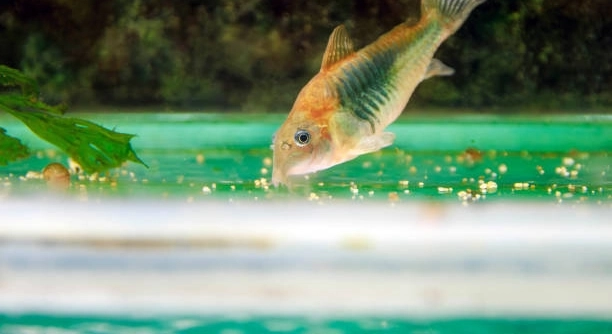
Ensuring your Corydoras catfish receives enough to eat is key to their health. These bottom-dwelling fish may struggle to find food if it’s not properly provided. There are simple ways to ensure their nutritional needs are met.
The best way to ensure your Corydoras catfish gets enough food is to provide sinking pellets, live food, or specially designed bottom-feeding tablets. These options allow them to find food at their preferred level of the tank, promoting proper nutrition.
Understanding the feeding habits of your Corydoras catfish is essential for their well-being.
Choose the Right Food for Your Corydoras Catfish
Feeding Corydoras catfish involves more than just throwing in some flakes. These fish prefer sinking food that reaches the bottom of the tank, where they naturally forage. Sinking pellets and tablets are an excellent option as they are designed for bottom feeders. Live food like bloodworms or brine shrimp can also be beneficial. Offering a variety of foods ensures that your catfish get the nutrients they need. However, avoid overfeeding, as leftover food can lead to poor water quality, harming both your fish and their environment.
Feeding your catfish sinking food provides them with what they naturally seek. Live food can also offer variety and enrich their diet.
Make sure to feed them small amounts multiple times a day instead of one large feeding. This helps mimic their natural foraging behavior and reduces the risk of food going uneaten. It’s crucial to adjust portion sizes based on the size and number of fish in your tank. Overfeeding can lead to excessive waste and poor water conditions. Regularly cleaning uneaten food from the tank will maintain a healthy environment for your fish.
Provide a Clean and Stable Environment
Water quality plays a significant role in feeding. If your tank is dirty or the water parameters are off, your Corydoras might be less inclined to eat. Maintaining proper water temperature, pH, and cleanliness ensures your fish are healthy and comfortable, which in turn encourages normal feeding behavior. Regular tank maintenance, including water changes and filter cleaning, will improve overall fish health.
The cleaner the environment, the more likely your Corydoras will feed properly. It’s essential to monitor water quality closely to support their feeding habits.
Stable water conditions are essential for feeding. If your Corydoras are stressed due to fluctuating water parameters, they may refuse food or eat less. Keeping the water temperature between 72-78°F and the pH level within the ideal range for Corydoras (6.0-7.5) creates an environment where they feel safe. A clean tank will also prevent harmful bacteria or parasites that can make your fish sick, reducing their appetite.
Feed in the Right Amounts
Overfeeding is a common issue when it comes to Corydoras. These fish have small stomachs, and too much food can lead to waste buildup and poor water quality. Aim for small, manageable portions that they can finish within a few minutes. This method prevents uneaten food from decaying and affecting the tank.
Feeding smaller portions more frequently is a better approach than one large meal. This mimics natural feeding patterns and ensures your fish get the necessary nutrients without overloading the tank. Adjust the portions according to the number of Corydoras in the aquarium and monitor their eating habits to find the optimal amount.
Consistently monitor how much food your fish are eating. If they consistently leave food behind, reduce the portion size. Conversely, if they are quickly finishing all the food, you may need to increase the portions slightly. Ensuring the right balance promotes healthy eating habits for your catfish.
Offer a Variety of Foods
A varied diet can improve the health and appetite of your Corydoras catfish. Mix different types of sinking pellets, live food, and frozen food options like brine shrimp or daphnia. This ensures they receive all the necessary nutrients, preventing any dietary deficiencies.
Different food types not only offer better nutrition but also mimic the diversity of food they would encounter in their natural habitat. Offering a range of foods keeps your Corydoras engaged and reduces the likelihood of them becoming picky eaters. It can also prevent any nutritional imbalances.
Introducing new food options also helps combat any possible boredom or lack of interest in their meals. Rotate food types regularly to maintain variety and interest. A well-rounded diet supports the overall health of your Corydoras and helps them stay active and properly nourished.
Use a Feeding Dish
A feeding dish can make it easier for your Corydoras to find food. Place sinking pellets or tablets in the dish to keep the food from spreading throughout the tank. This ensures that the food stays in one spot, making it easier for your fish to locate and consume it.
A feeding dish also helps minimize food waste. By confining the food to a specific area, your fish are less likely to scatter it, leaving uneaten food floating around. It also keeps the tank cleaner, reducing the risk of poor water quality caused by leftover food.
Maintain Proper Tank Lighting
Lighting can impact feeding behavior. Corydoras are more active in dimmer lighting, which makes it easier for them to find food. Bright lights can stress them out and may cause them to hide or become less active. Adjust the lighting to suit their natural feeding patterns.
Proper lighting reduces stress, allowing your Corydoras to feed comfortably. A dim, consistent light cycle promotes natural behavior, making it easier for your fish to forage and eat.
Keep Other Tank Mates in Check
Corydoras are peaceful fish, but tank mates can sometimes compete for food. Larger, more aggressive fish may steal food meant for your catfish. To prevent this, ensure that your Corydoras can access food without interference from other fish.
A peaceful tank environment is crucial to healthy feeding. Choose tank mates that are calm and less likely to compete with your Corydoras for food. This will ensure your fish get their fair share.
FAQ
How often should I feed my Corydoras catfish?
Corydoras catfish should be fed once or twice a day, offering small portions they can consume within a few minutes. Overfeeding can lead to poor water quality and health issues. It’s better to feed smaller amounts more frequently than large amounts once a day.
Can Corydoras eat flake food?
While Corydoras can eat flake food, it is not ideal as it tends to float at the water’s surface, where they don’t naturally feed. Sinking pellets or tablets are a better option, as they cater to the catfish’s feeding habits, allowing them to forage at the bottom.
What is the best food for Corydoras catfish?
The best food for Corydoras includes sinking pellets, tablets, and live or frozen foods like brine shrimp, bloodworms, and daphnia. These options provide the necessary nutrients and are designed to reach the bottom of the tank, where your Corydoras will feed naturally.
Why does my Corydoras catfish not eat?
If your Corydoras isn’t eating, it could be due to poor water quality, stress, illness, or competition from other fish. Check the water parameters, ensure the tank is clean, and make sure they aren’t being outcompeted for food. If the issue persists, consult a veterinarian.
How do I prevent my Corydoras from getting stressed while feeding?
Corydoras are sensitive to bright lights and tank disturbances. Ensure that the tank has dim lighting and a calm environment. Avoid sudden movements or loud noises near the tank while feeding. Stress can affect their appetite, so creating a peaceful atmosphere will help.
Can Corydoras eat algae wafers?
Yes, Corydoras can eat algae wafers, but they should not be their primary food. Algae wafers are often used as a supplement to their diet. Provide them with a variety of food options to ensure they receive a balanced diet and all necessary nutrients.
Is it okay to feed Corydoras live food every day?
Feeding live food every day is not recommended as it can lead to nutritional imbalances. Live foods like brine shrimp or bloodworms are rich in protein, but should be offered in moderation. Mix live food with other types of food to maintain a balanced diet.
How long can Corydoras go without food?
Corydoras can survive for up to a week without food, but it’s not ideal. They may lose energy and become weak if they don’t eat for extended periods. It’s best to stick to a regular feeding schedule to keep them healthy and active.
Can Corydoras eat vegetables?
Corydoras can eat small amounts of vegetables like blanched zucchini, spinach, or peas. Vegetables provide fiber and can be a healthy supplement to their diet. However, they should not be the main food source. Balance is key, with vegetables used as an occasional treat.
What should I do if my Corydoras catfish is not eating for a long time?
If your Corydoras stops eating for several days, check the water quality, temperature, and tankmates. Stress, poor water conditions, or illness can cause them to lose their appetite. If the issue persists, seek advice from an aquarium professional or veterinarian to address any underlying health concerns.
How can I tell if my Corydoras is underfed?
Signs of underfeeding include a noticeable decrease in activity, a skinny body, and lack of energy. If your Corydoras seems lethargic and isn’t swimming around as much, it may not be getting enough food. Monitor their eating habits and adjust their diet accordingly.
Can Corydoras eat frozen food?
Yes, Corydoras can eat frozen food, such as brine shrimp, bloodworms, and daphnia. Make sure to thaw frozen food before feeding it to your fish. These types of food are a great way to offer variety and improve the nutritional content of their diet.
Should I feed Corydoras at night?
Corydoras are nocturnal feeders, so they may be more active at night. It’s fine to feed them in the evening when the lights are dimmed or off. This simulates their natural behavior and allows them to forage when they feel most comfortable.
How can I make sure my Corydoras catfish is getting enough food in a community tank?
In a community tank, Corydoras may struggle to get enough food if larger or more aggressive fish are eating it first. Use a feeding dish, place food directly on the bottom, or feed at times when other fish are less active. This helps ensure the catfish have access to the food they need.
Do Corydoras need protein in their diet?
Yes, Corydoras require a source of protein in their diet for proper growth and health. Protein-rich foods like live or frozen bloodworms, brine shrimp, or sinking pellets with a high protein content should be included in their feeding routine.
Can I feed my Corydoras shrimp or other invertebrates?
Corydoras are not typically carnivorous but may occasionally feed on small invertebrates like shrimp or snails. However, this is not a main part of their diet. Ensure they are getting enough plant-based food along with the occasional live or frozen animal protein.
How do I feed Corydoras if I have a heavily planted tank?
In a heavily planted tank, it can be more challenging for Corydoras to find food, as plants may obstruct their feeding. Use sinking pellets or place food directly on the substrate in open areas. You can also use a feeding dish to keep the food in one spot.
How do I prevent Corydoras from overfeeding?
Overfeeding can be avoided by offering smaller amounts more frequently. Monitor how much food is consumed within a few minutes and remove any excess. Overfeeding can lead to waste buildup, so make sure that your Corydoras can finish their meals within a short time frame.
Can Corydoras eat fish flakes?
Fish flakes are not ideal for Corydoras, as they float on the water’s surface and are difficult for bottom-feeding catfish to access. It’s better to feed sinking pellets or tablets, which are more suitable for their feeding habits and encourage healthy eating patterns.
Final Thoughts
Ensuring your Corydoras catfish gets enough to eat is essential for their health and well-being. These bottom-dwelling fish are often overlooked during feeding, especially in community tanks where food tends to float to the surface. By providing sinking pellets, live food, and the occasional vegetable, you can help maintain a balanced diet that meets their nutritional needs. Consistency is key; feeding once or twice a day with small portions is often more effective than large, infrequent feedings.
Tank conditions also play a significant role in how well your Corydoras are fed. Keep the water clean and the temperature stable to avoid stress, which can affect their appetite. Make sure they’re not competing with larger or more aggressive tank mates for food. Using a feeding dish or scattering food in open areas of the tank can help your Corydoras locate their meals more easily. Proper lighting is also essential; dimmer lighting often encourages these nocturnal feeders to become more active and forage for food, as opposed to bright lights that may stress them out.
By monitoring their behavior and ensuring they have access to food without interference, you can ensure your Corydoras stay healthy and well-fed. Always be mindful of how much food you offer, as overfeeding can lead to poor water quality and health problems. If your Corydoras are not eating, investigate possible causes such as stress, water quality, or illness. With a little attention and care, your Corydoras will thrive, enjoying their meals and staying healthy in your aquarium.

Hello,
If you enjoy the content that we create, please consider saying a "Thank You!" by leaving a tip.
Every little bit helps us continue crafting quality advice that supports the health, happiness, and well-being of pets around the world, for pets of all shapes, sizes, and species.
We really appreciate the kindness and support that you show us!